BLOCK CHAIN DATA VAULT

In the early digital era, architectural practice shifted heavily toward form-making and the visual aesthetics of computer-generated models, often overlooking material expression and the finer details of construction. Design priorities revolved around surface representation rather than the inherent qualities of materials or the craft embedded in physical assemblies.
Since the late 1990s, emerging technologies—particularly physical modeling, 3D printing, and laser-cutting—have redirected architectural focus back to materiality and precision. This renewed engagement enables architects to merge theory with hands-on experimentation, opening new opportunities to balance form, function, and construction logic. Emphasis on joints, seams, and detailing has become central to achieving richer material expression and integrated design strategies.
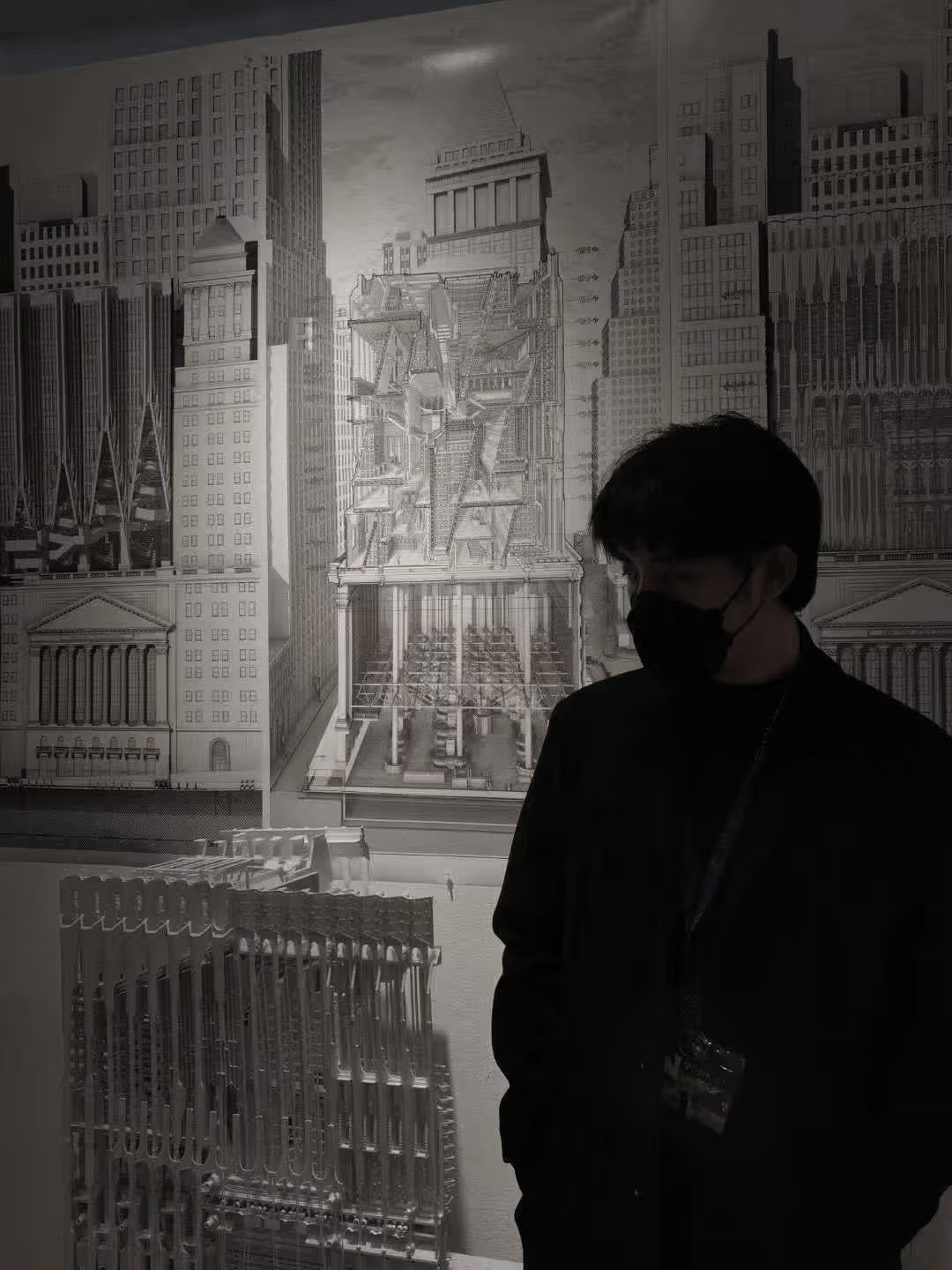
At the urban and economic scale, the New York Stock Exchange faces growing uncertainty as international companies respond to geopolitical pressures and delist from U.S. markets. To maintain global leadership, the NYSE must expand beyond its traditional financial operations. At the same time, New York City seeks new sources of revenue amid limited federal and state support.
A possible trajectory lies in leveraging blockchain innovation: minting real-estate-backed NFTs that allow residents and visitors to directly invest in the city’s future. As unique, non-interchangeable digital assets, such NFTs could generate new capital streams and strengthen civic participation. Additionally, integrating cryptocurrency trading—and even mining Ethereum using hydrogen-powered infrastructure—could position the NYSE at the forefront of next-generation finance, offsetting long-term declines and fostering renewed economic vitality.
Precedent Deconstruction and Reconstructing Iterations
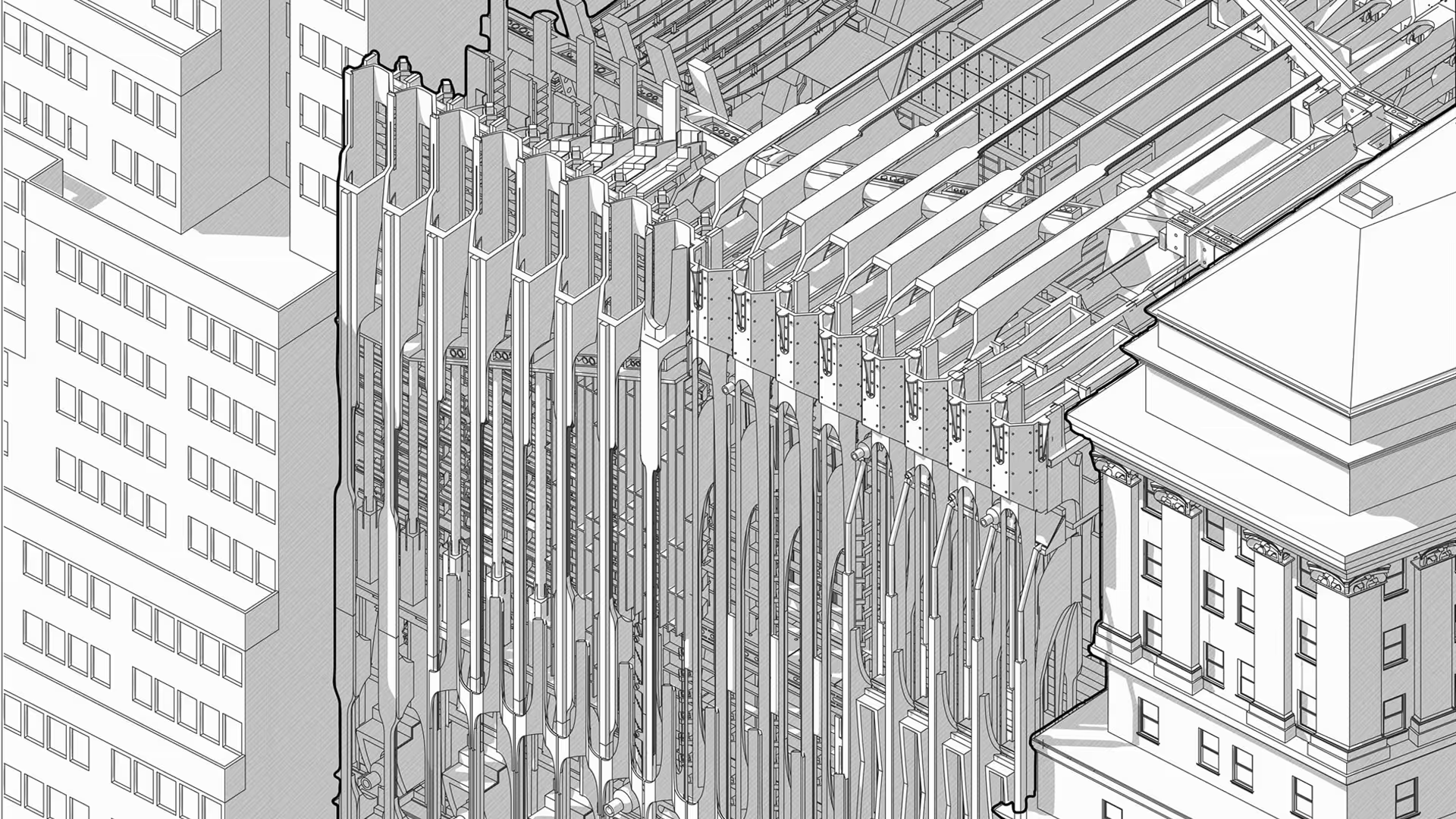
This project draws inspiration from a series of exemplary precedents, extracting structural, material, and formal elements that align with the design intent. Guided by these references, the work undergoes continuous iteration—evaluating, refining, and recombining components to test spatial, material, and performative potentials. Through this iterative generative process, the project develops a coherent architectural language that bridges precedent knowledge with new design objectives.
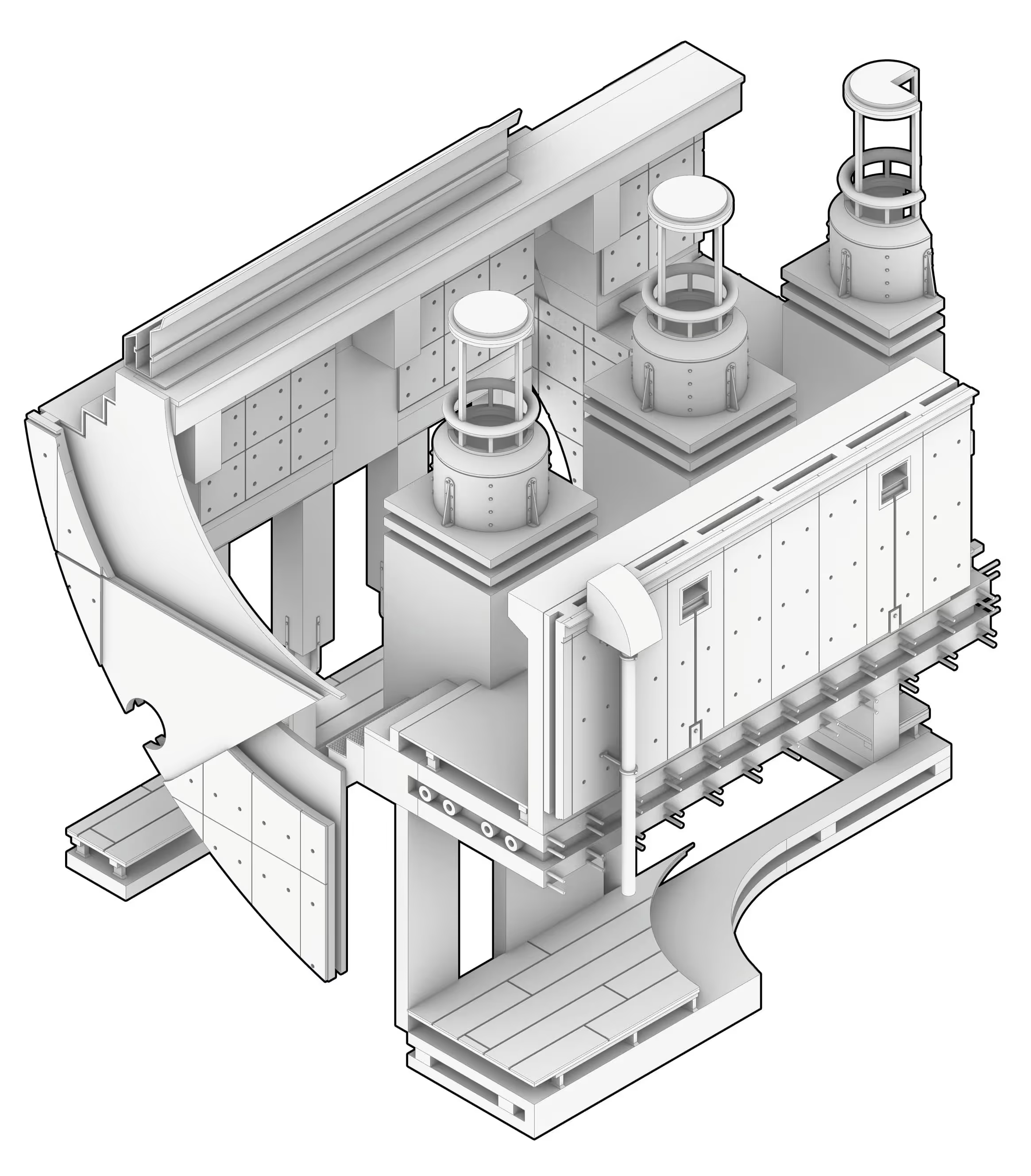
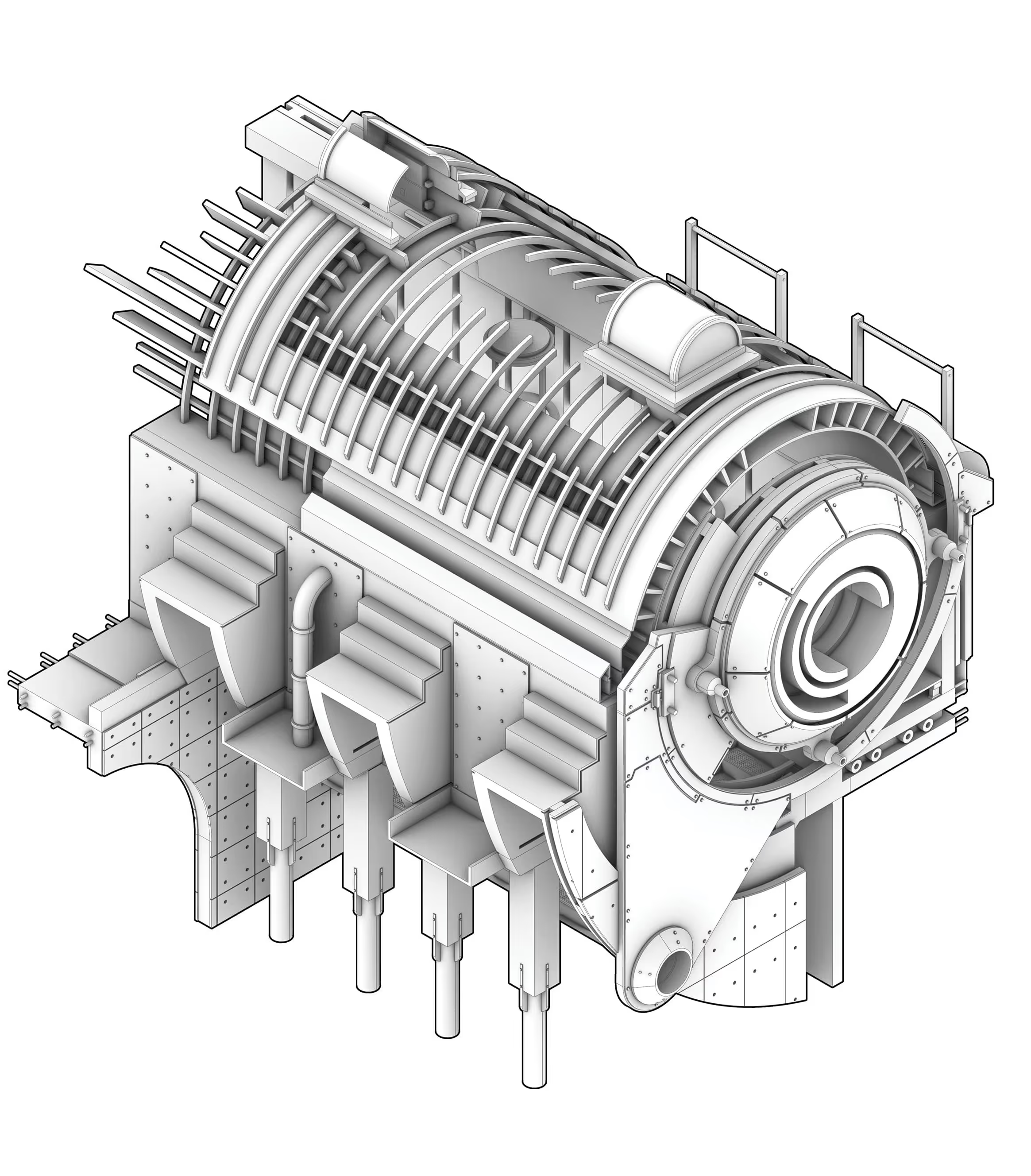
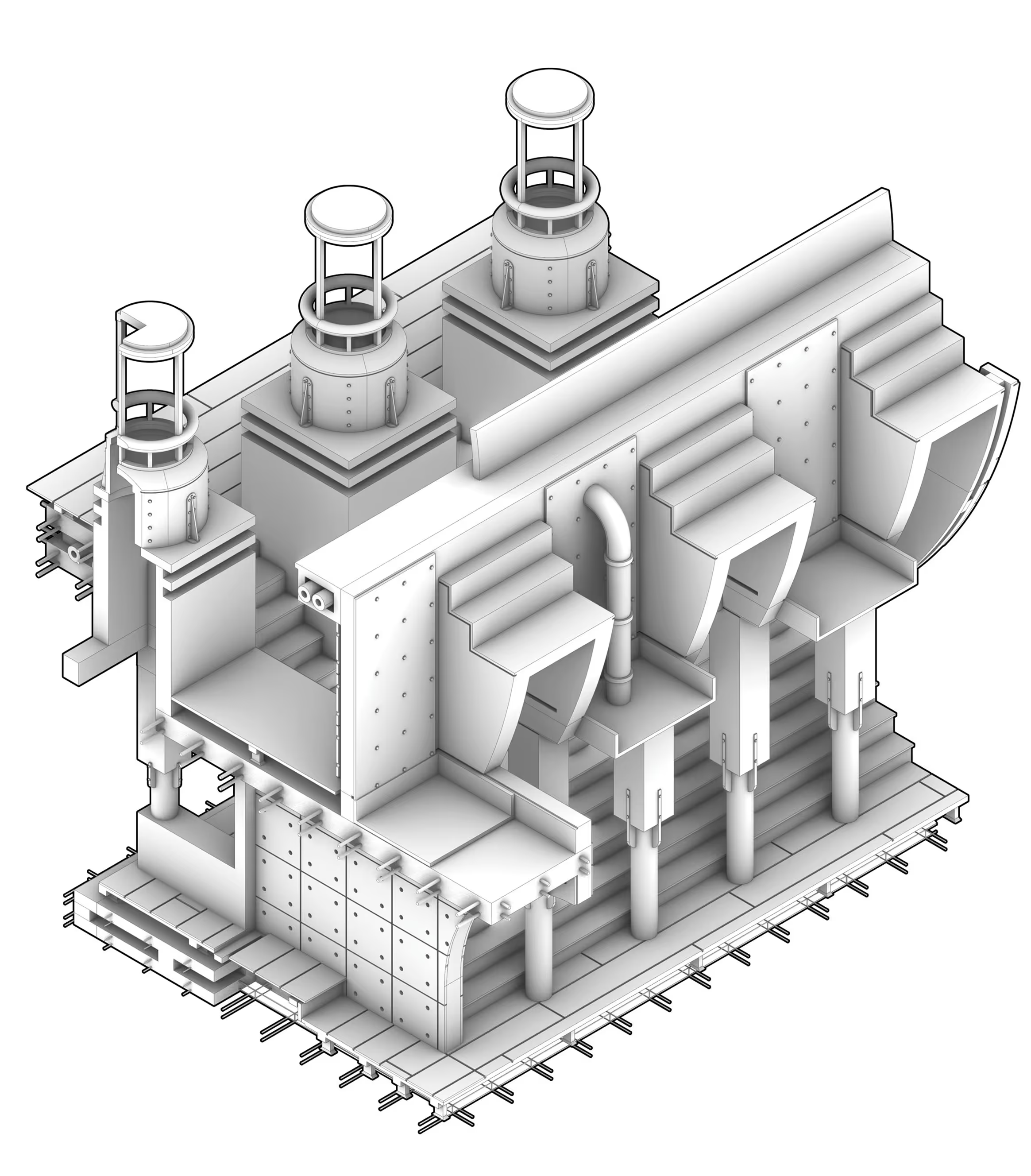
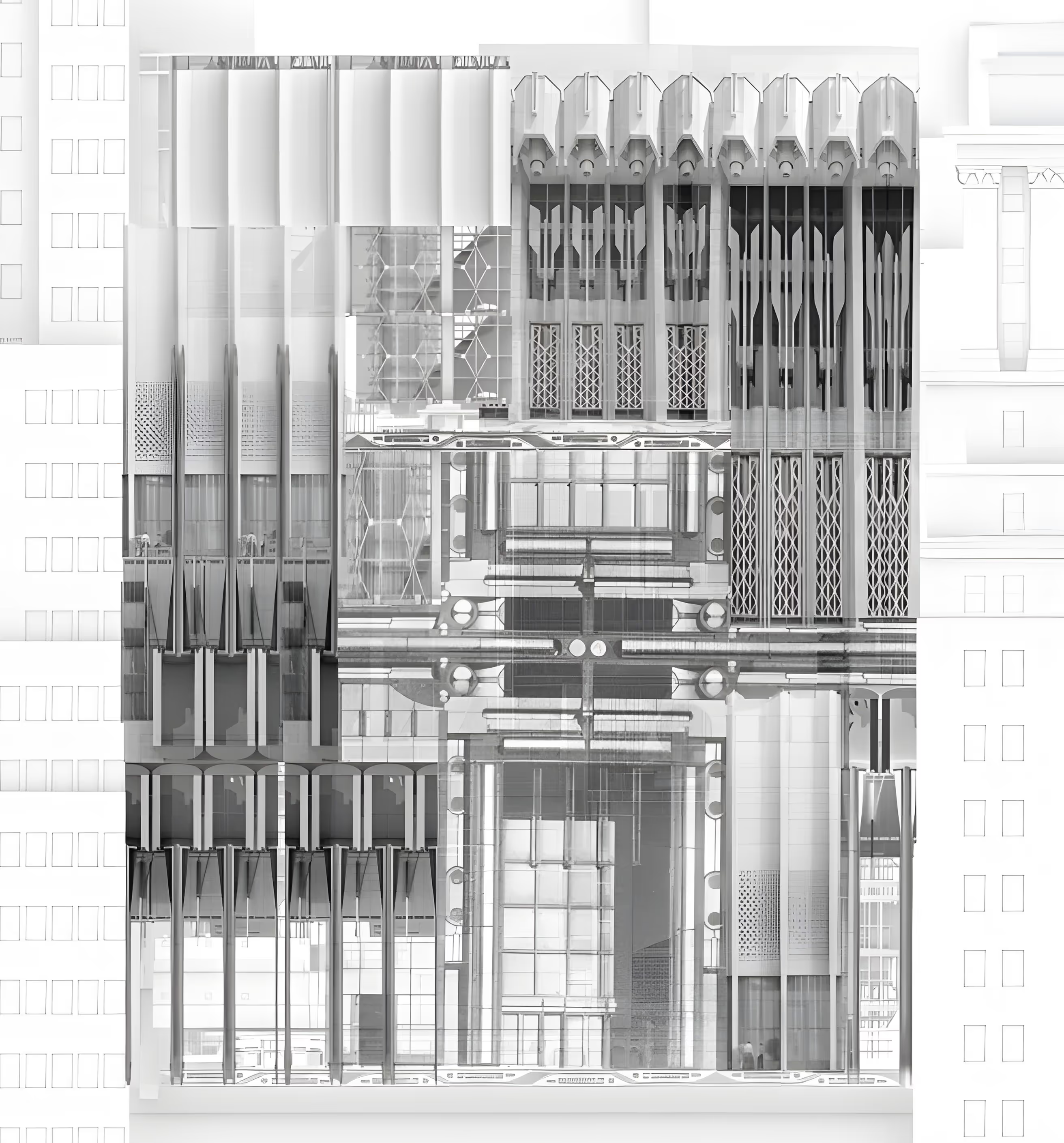
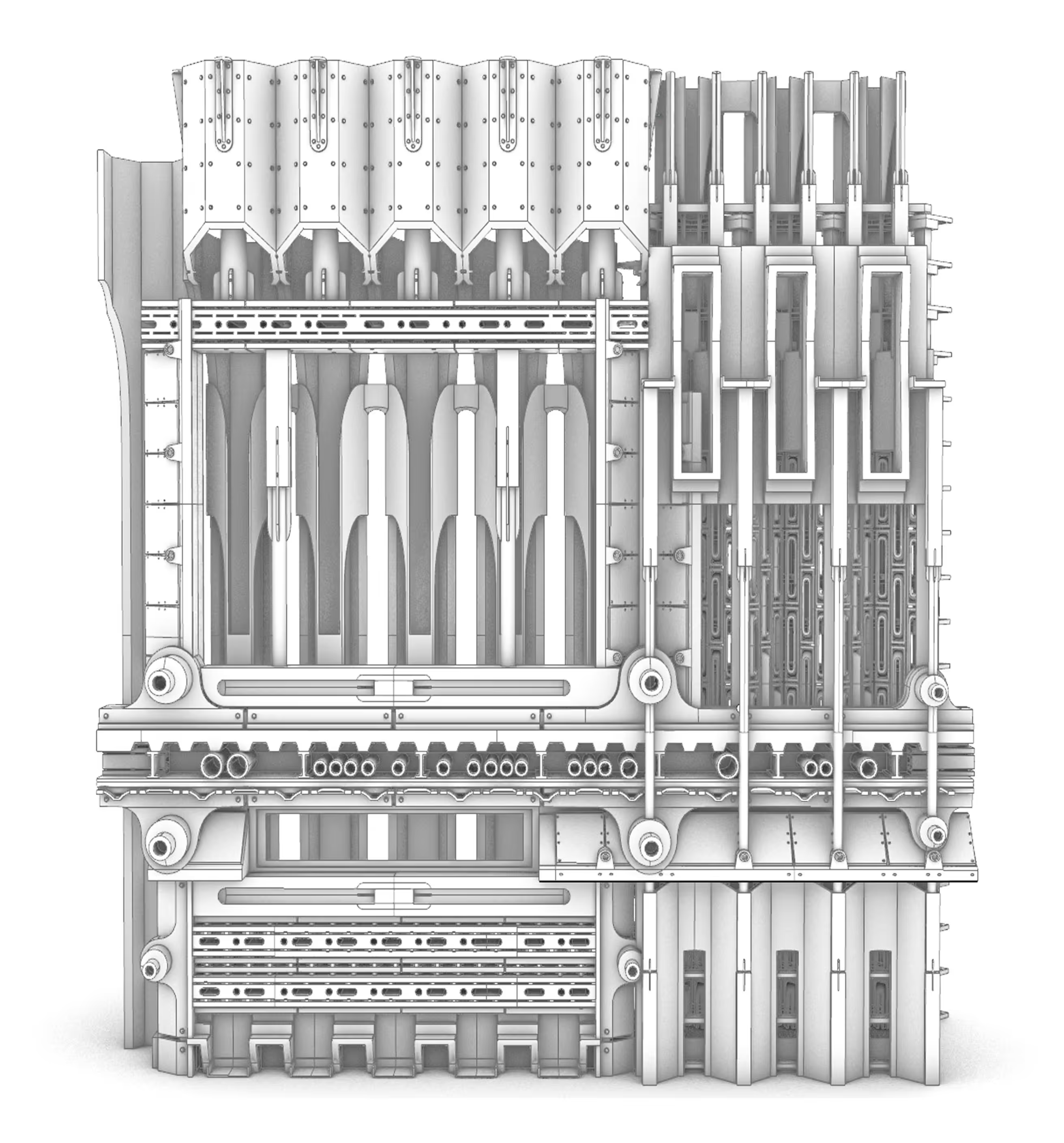
Building on the initial precedent deconstruction, this series of iterations further disassembles, reorganizes, and recombines core architectural chunks. Each iteration tests alternative spatial logics, structural assemblies, and material relationships, gradually expanding the formal vocabulary and revealing new potentials for integration and performance.
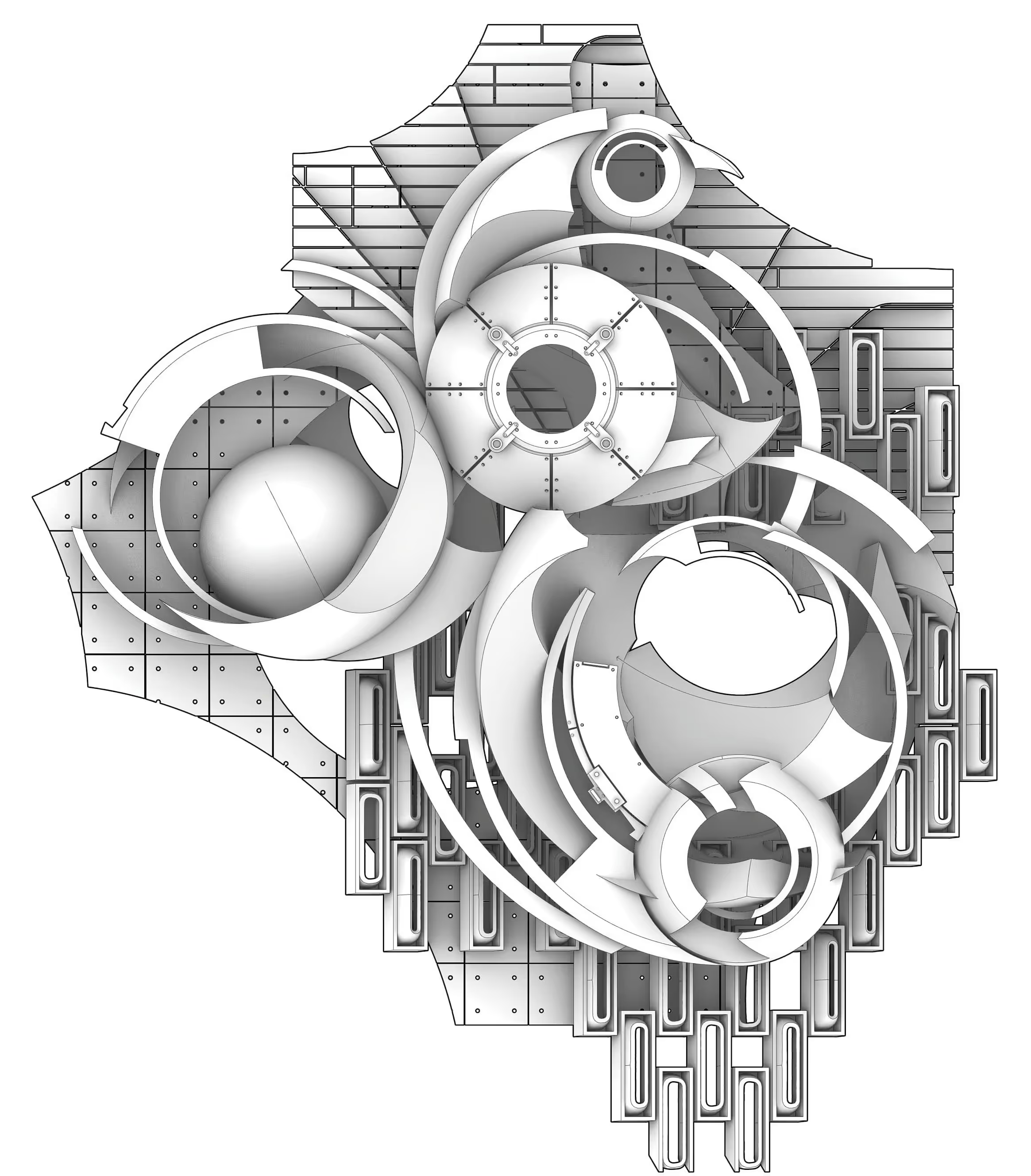
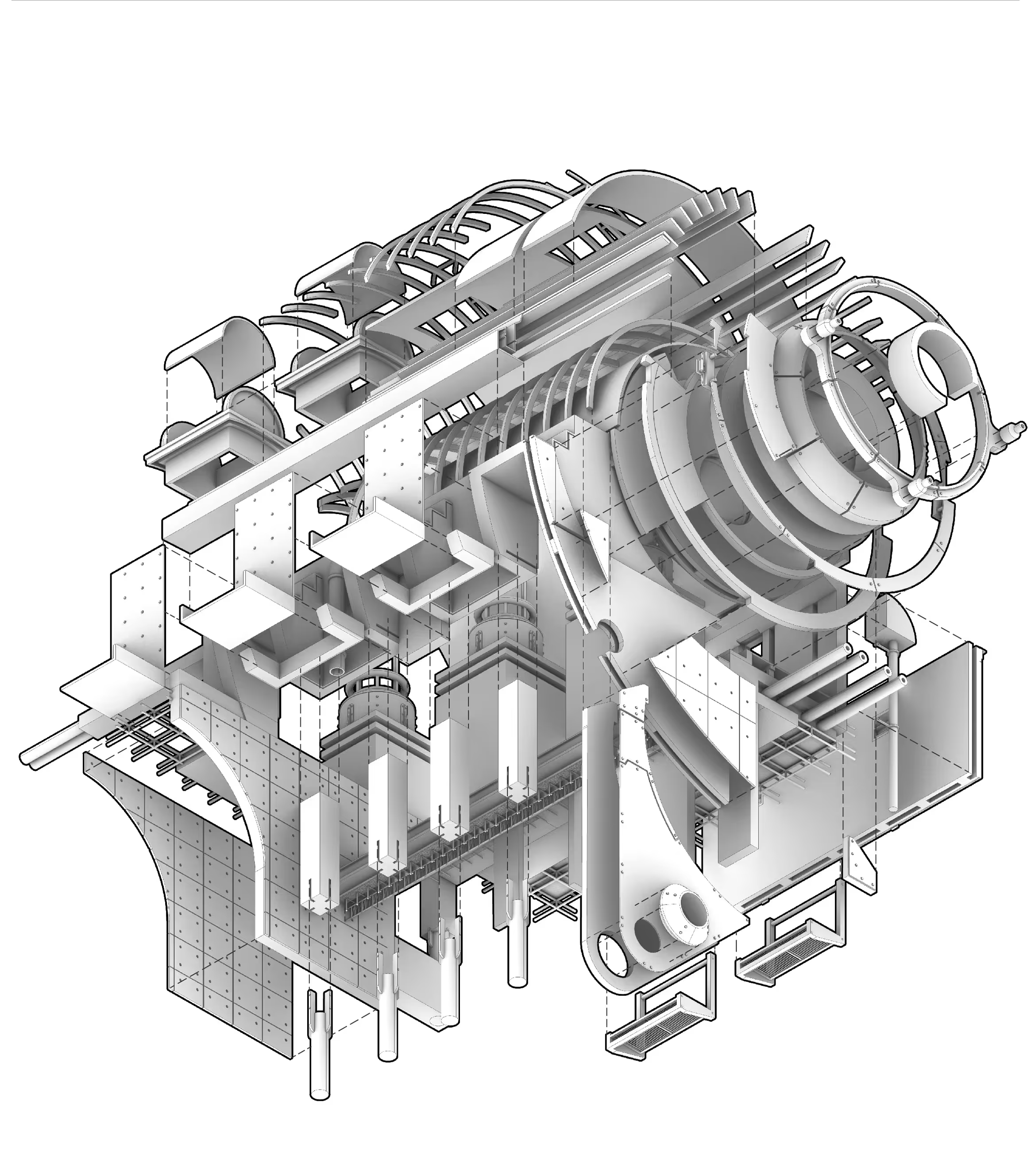
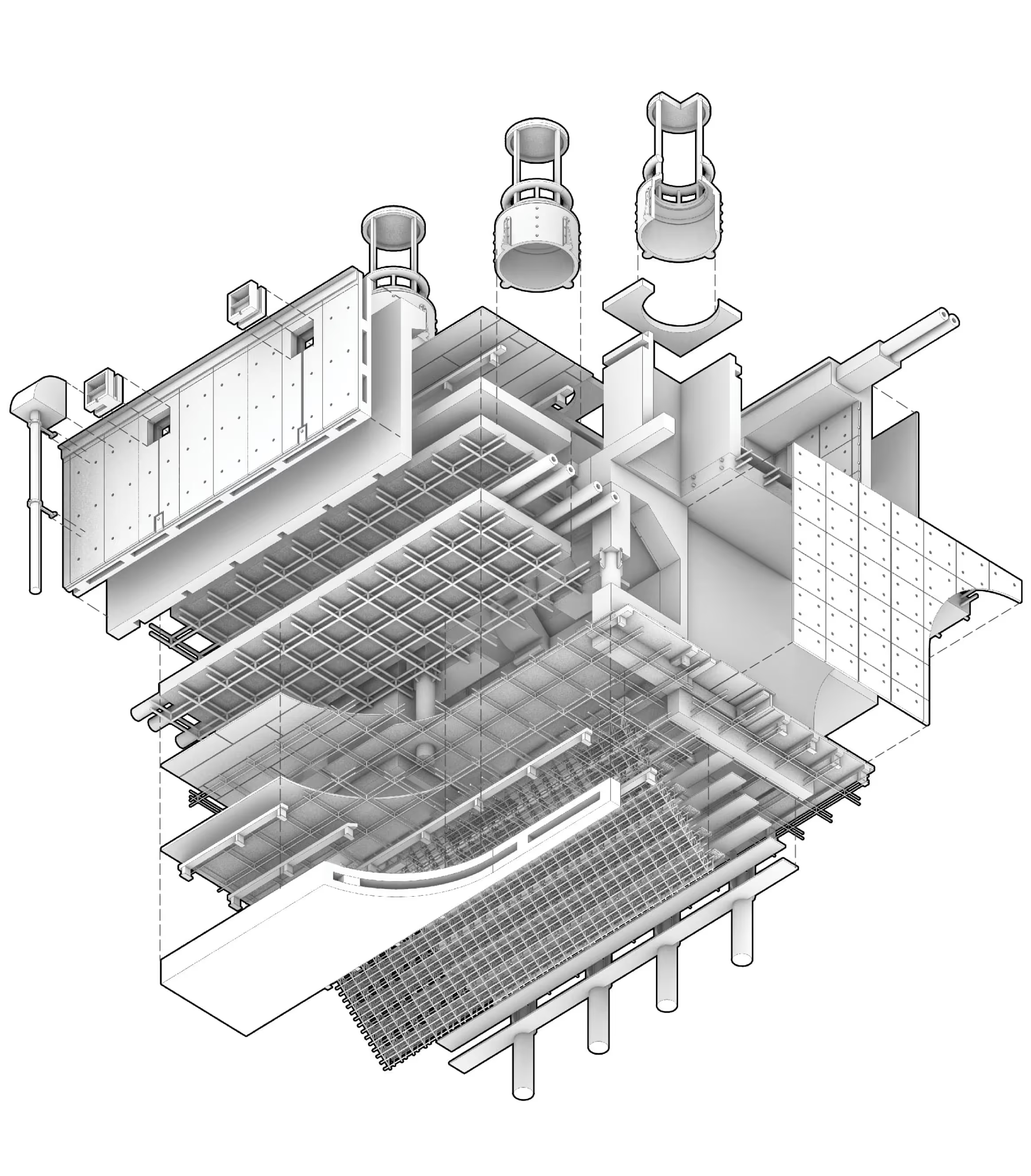
Chunk Model
Chunk to Elevation Iterations
Floor Plan & Elevation
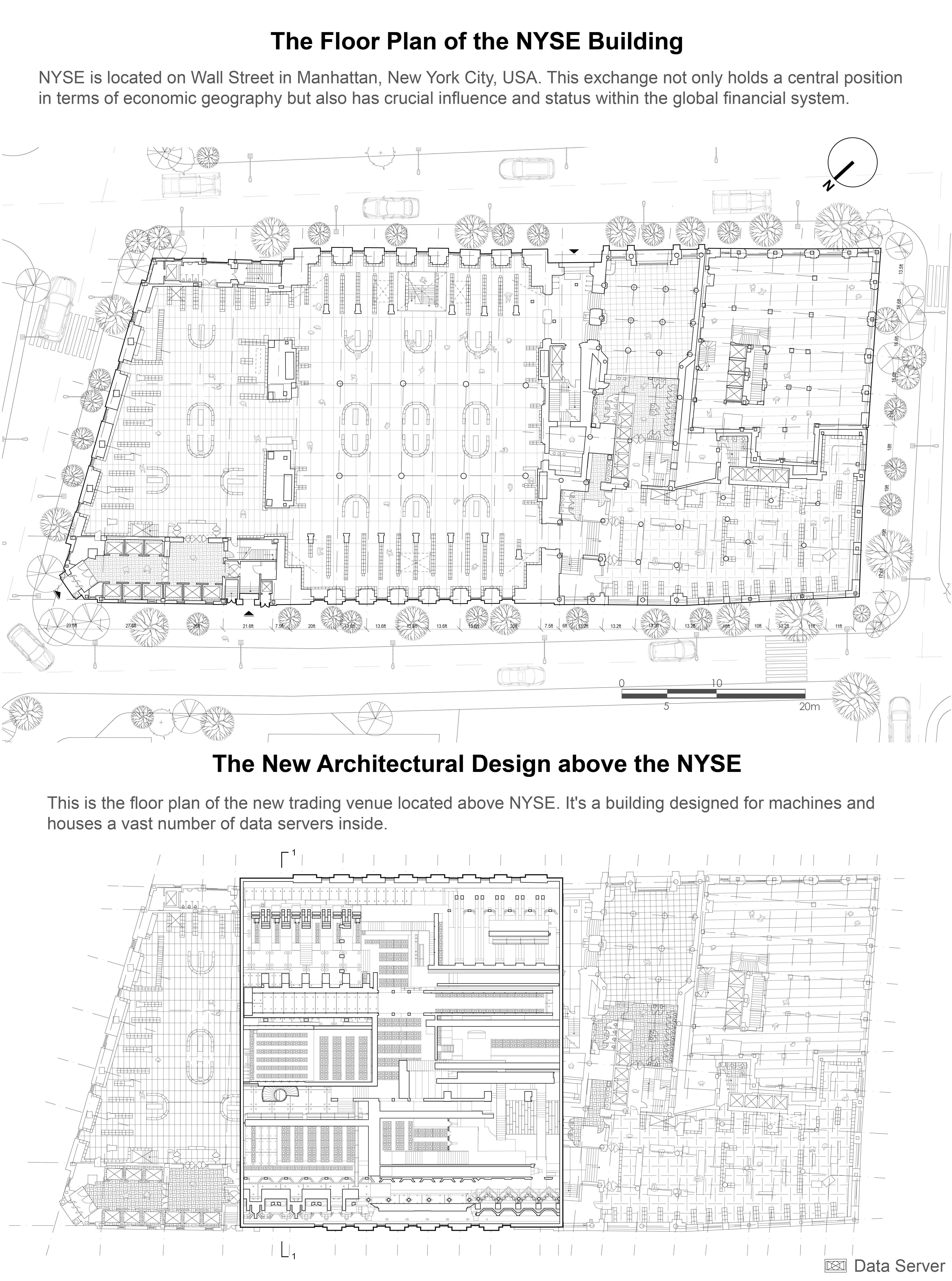
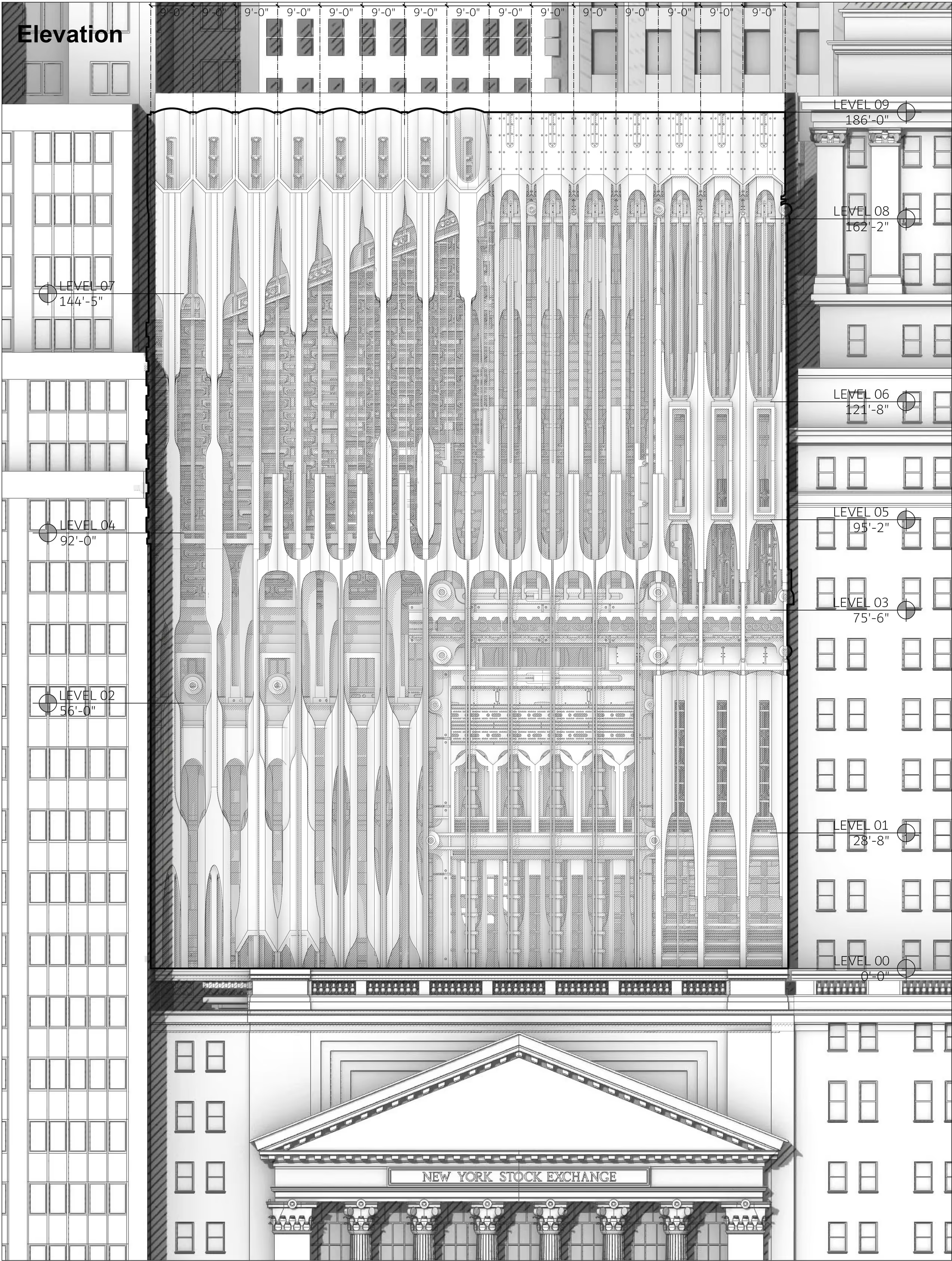
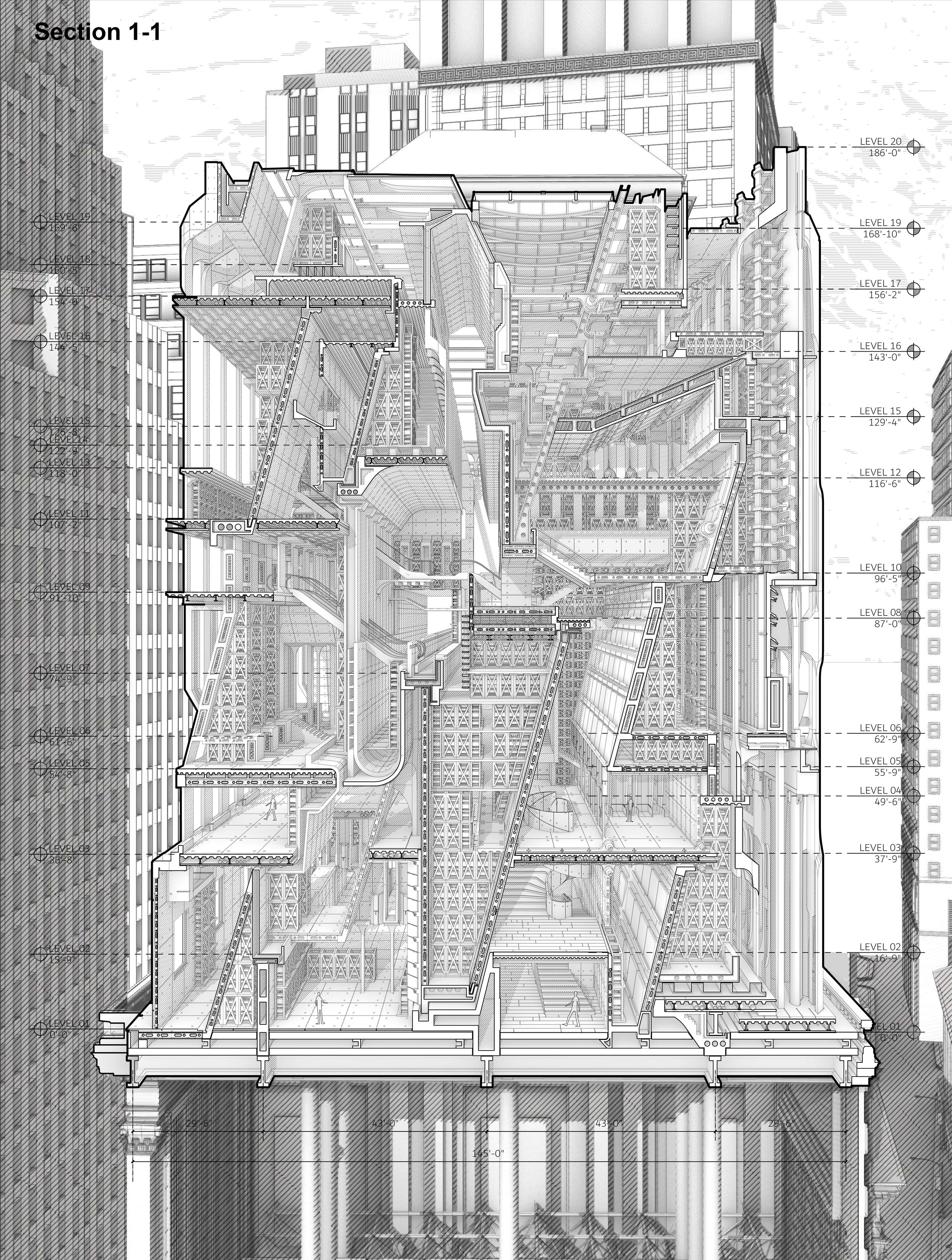
Floor Plan & Elevation
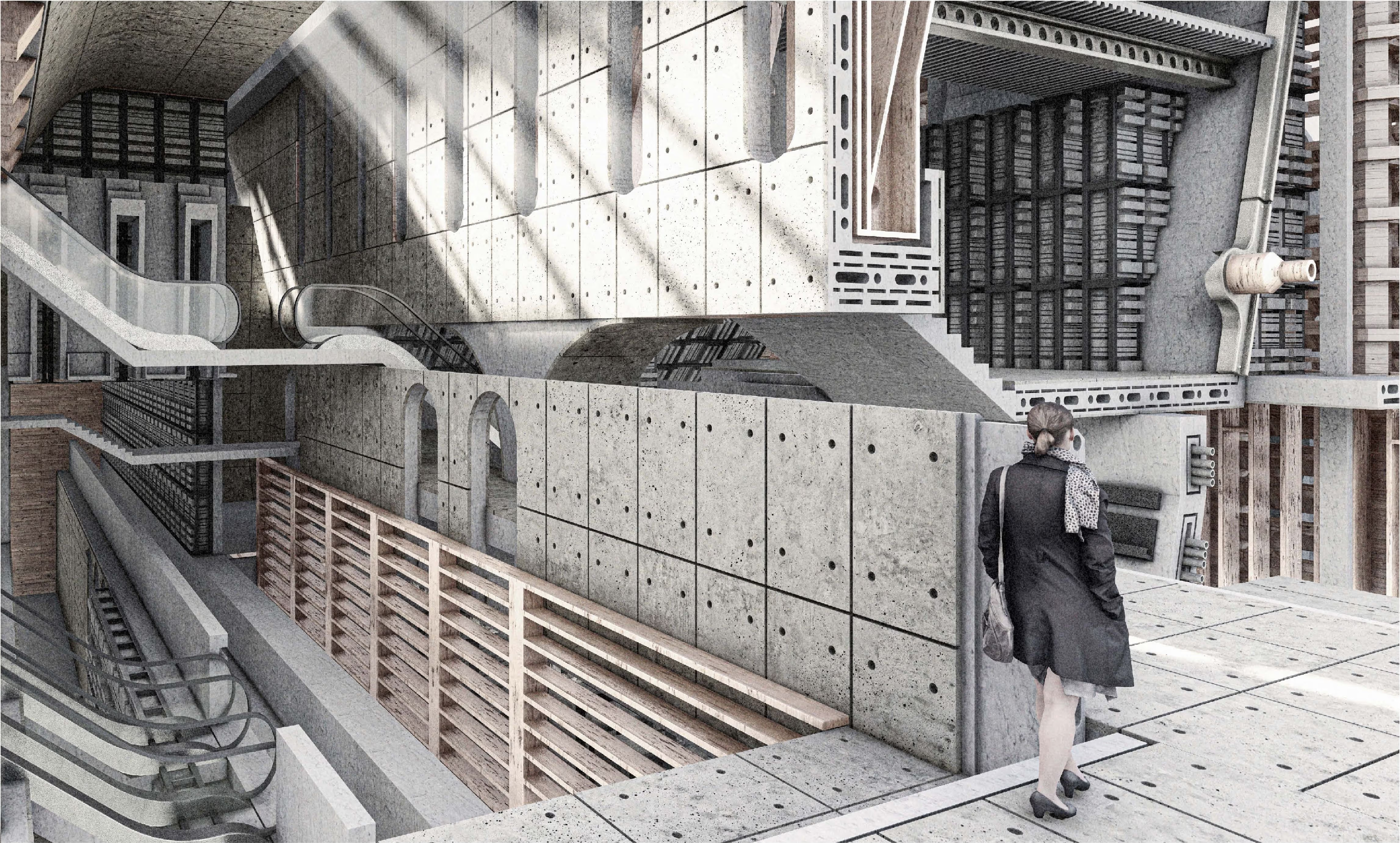
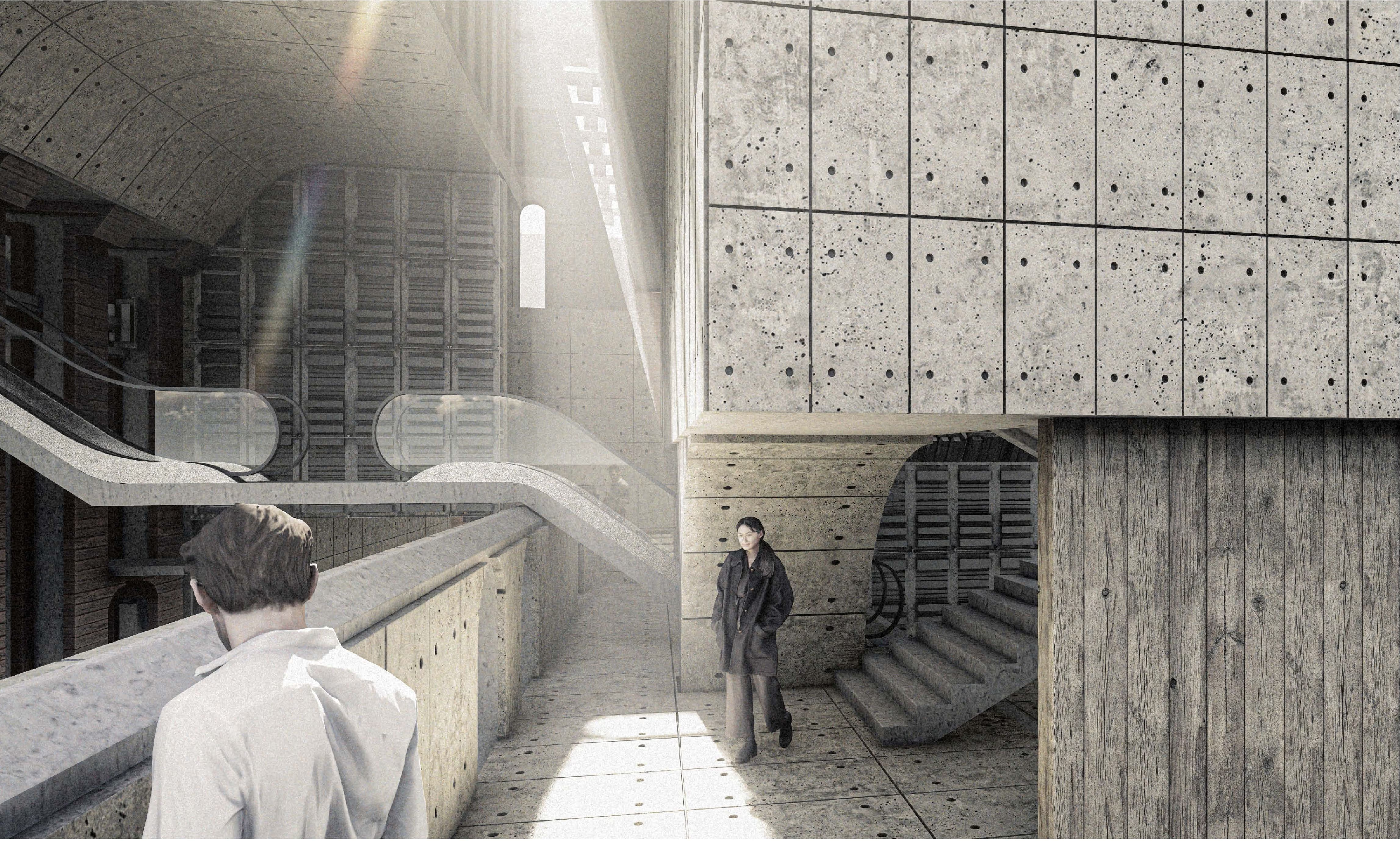
Drawing from centralized banking models, Ethereum-mining servers—like the enduring value of gold—are seamlessly integrated into designed human spaces. This integration reflects the growing synergy between advanced technology and human interaction in contemporary urban environments, offering a refined vision of how digital systems and architecture can coexist.
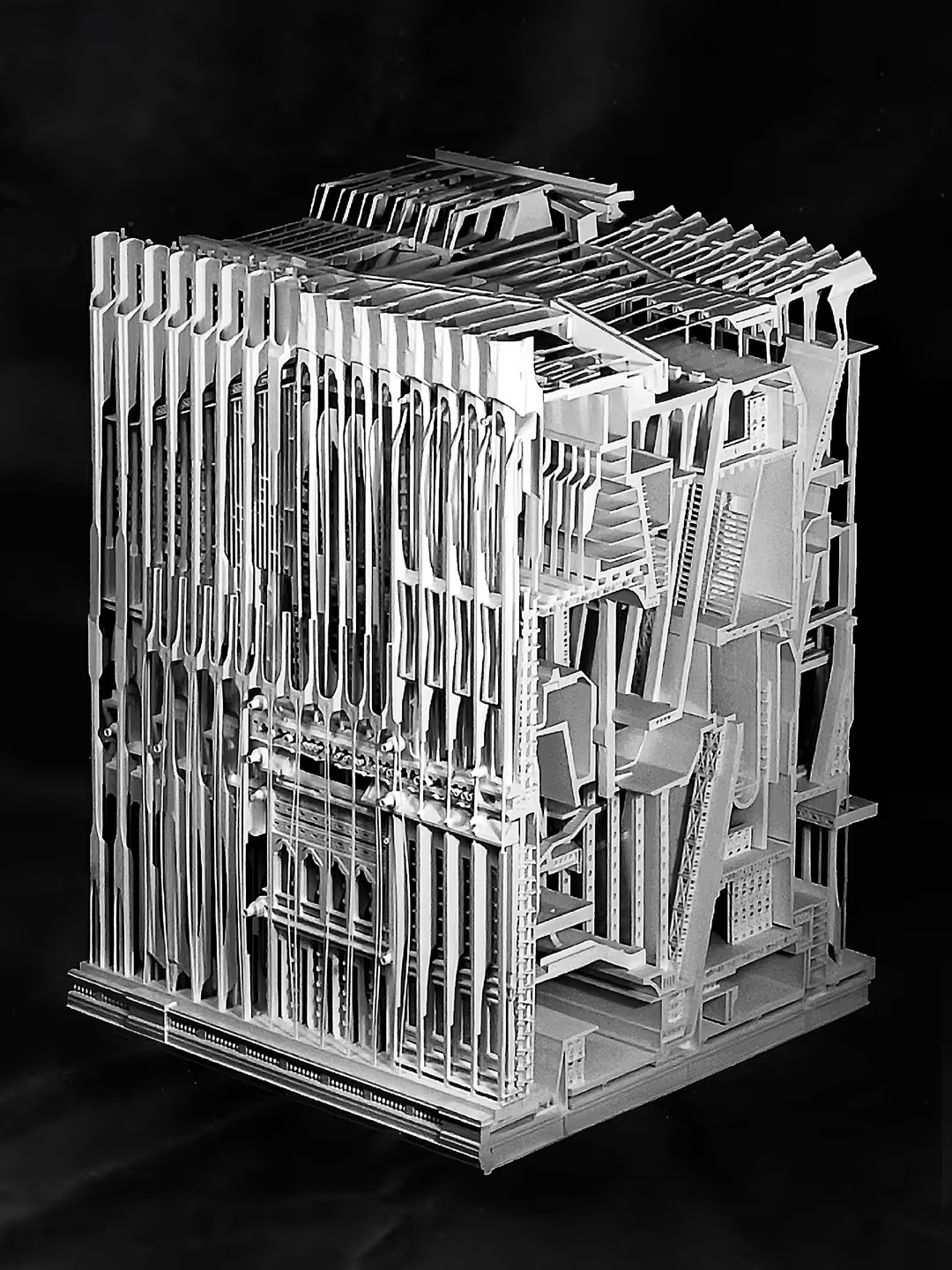
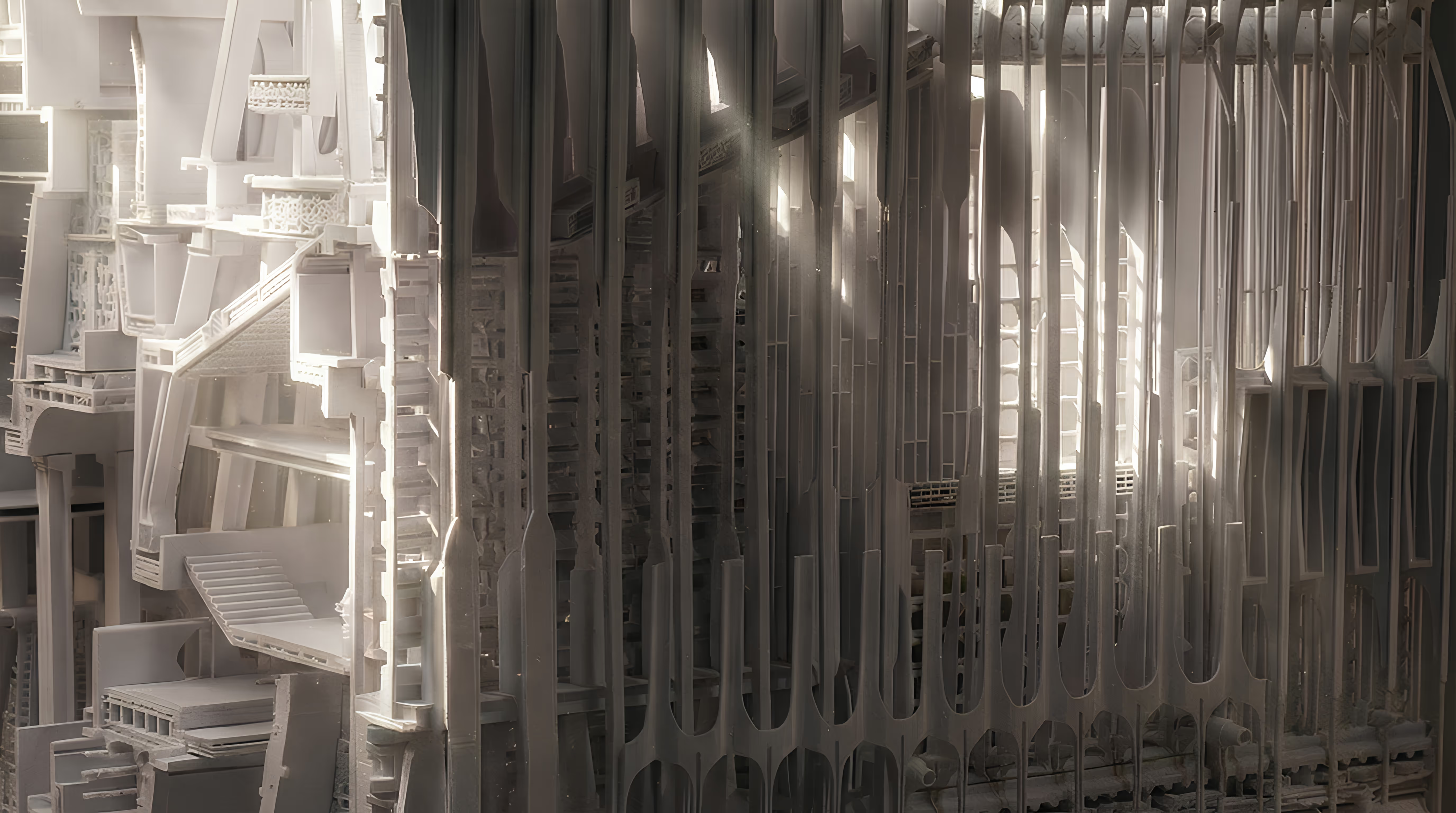
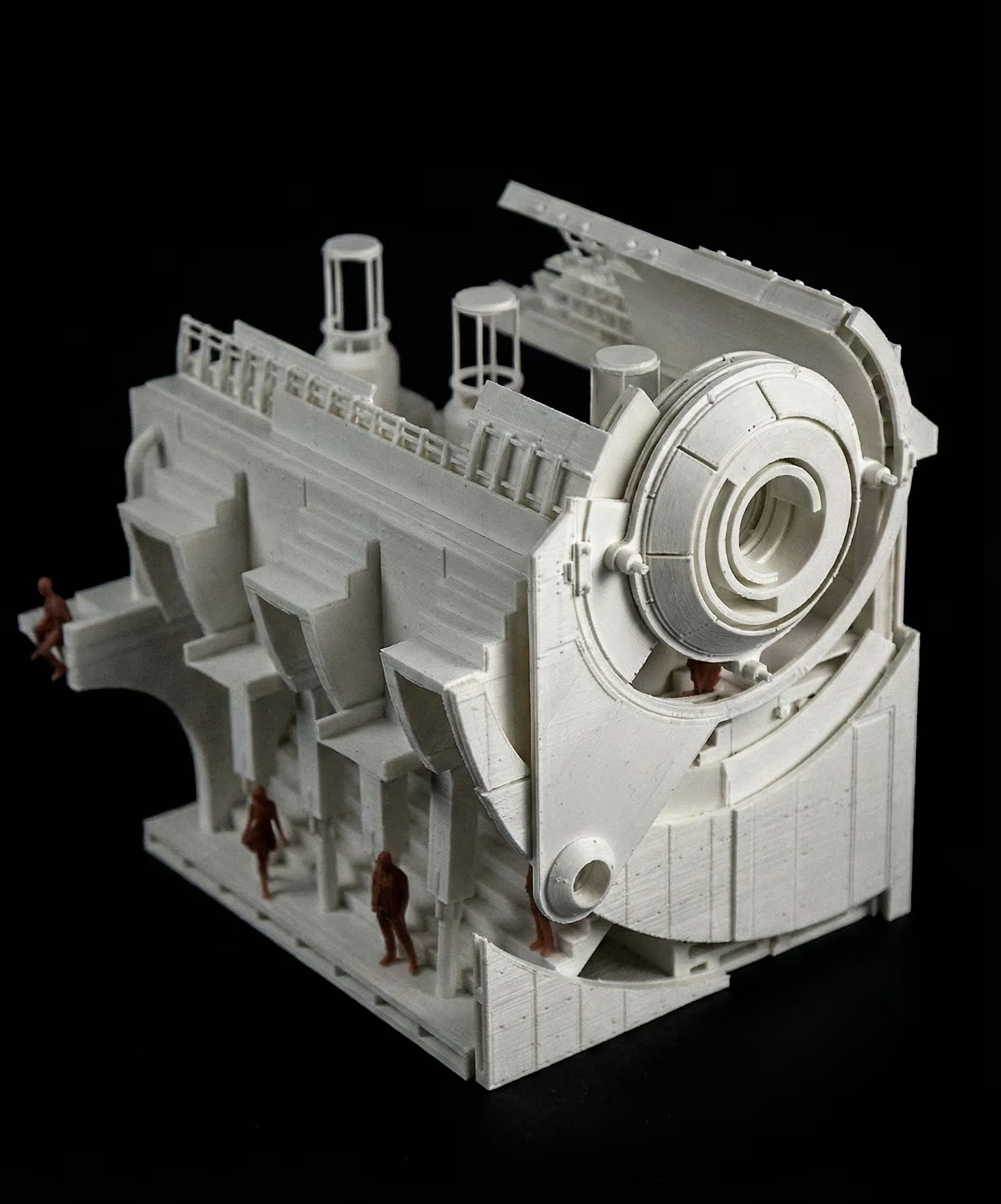
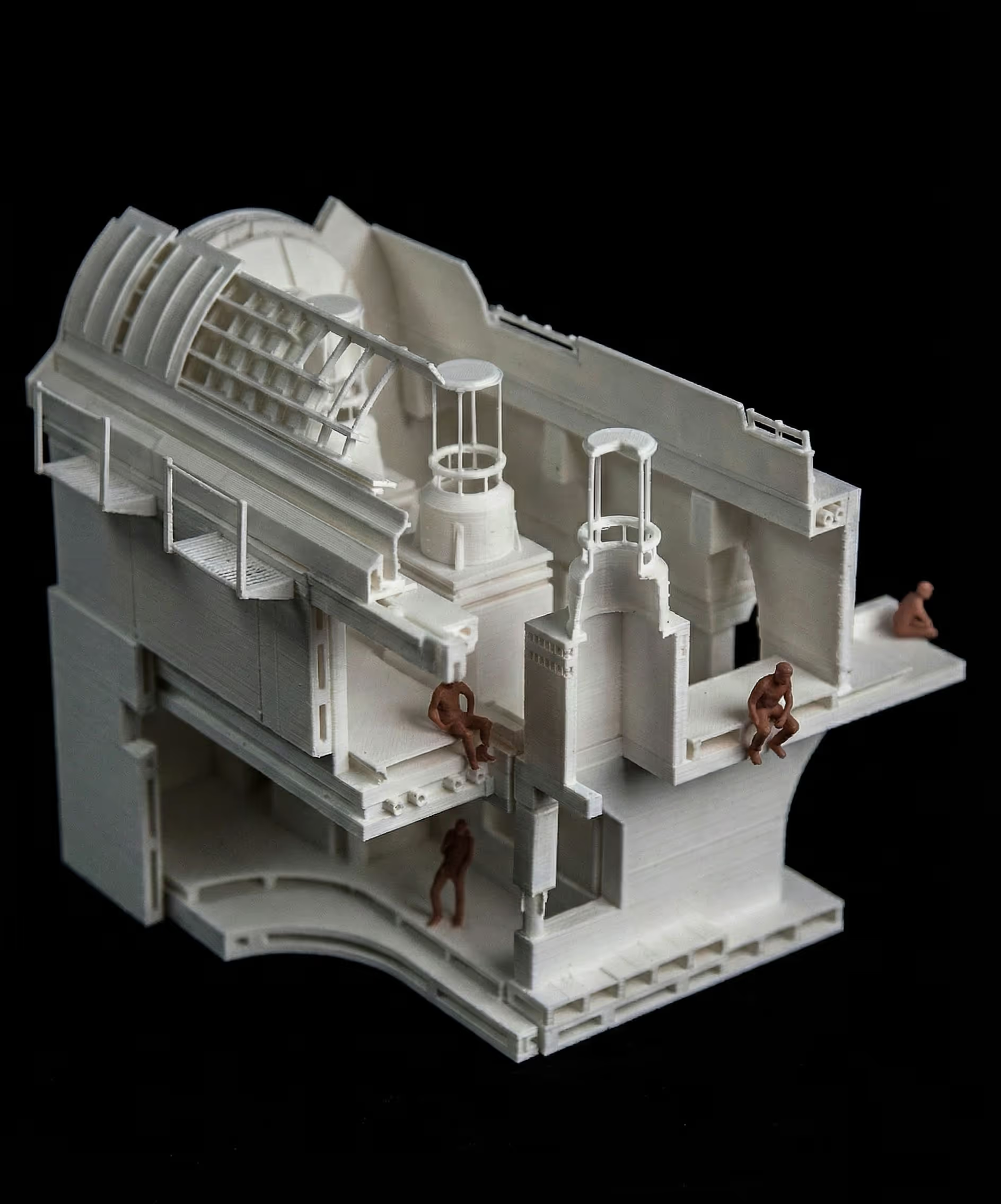
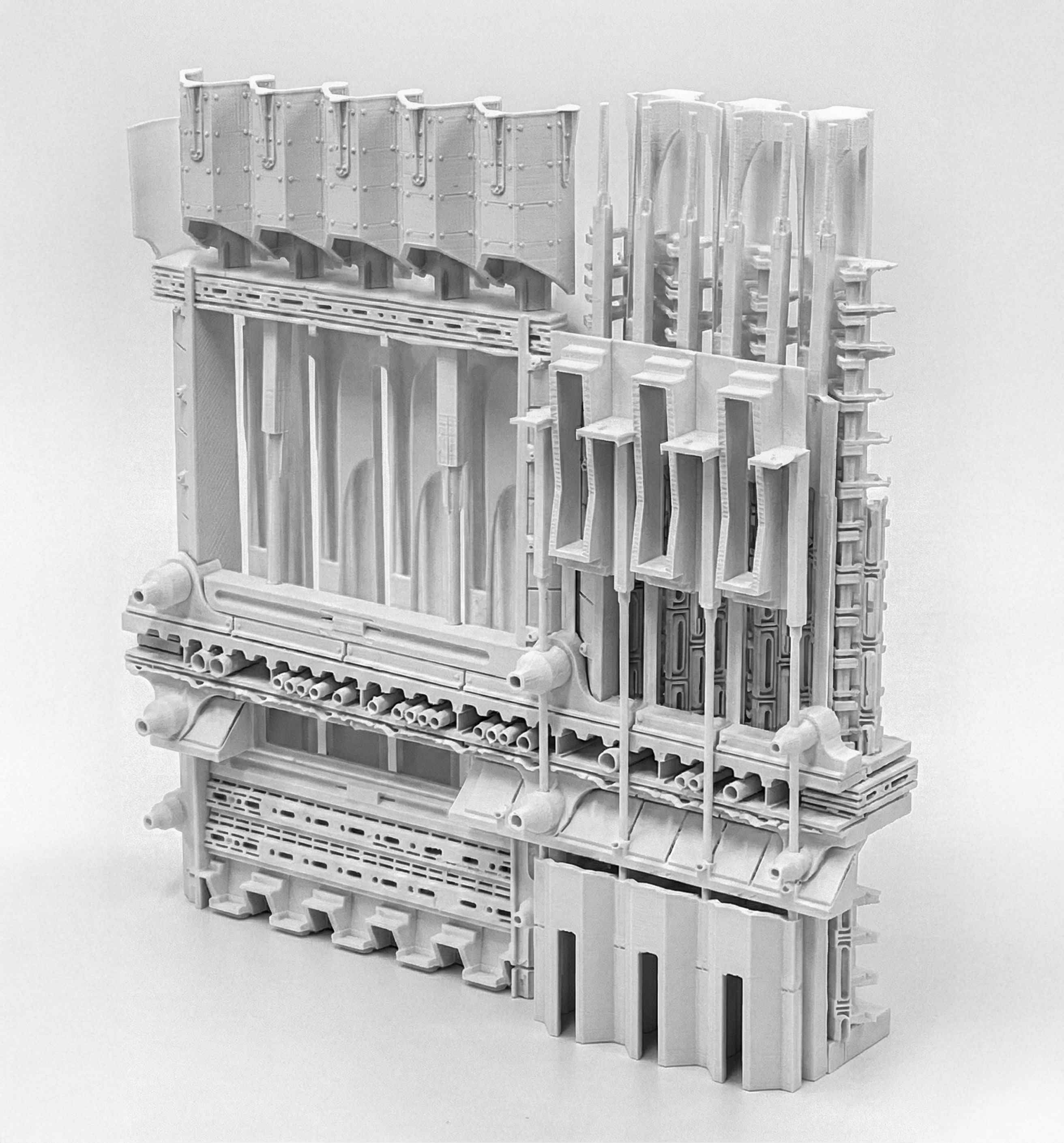
Physical Model Assembled via 3D Printing
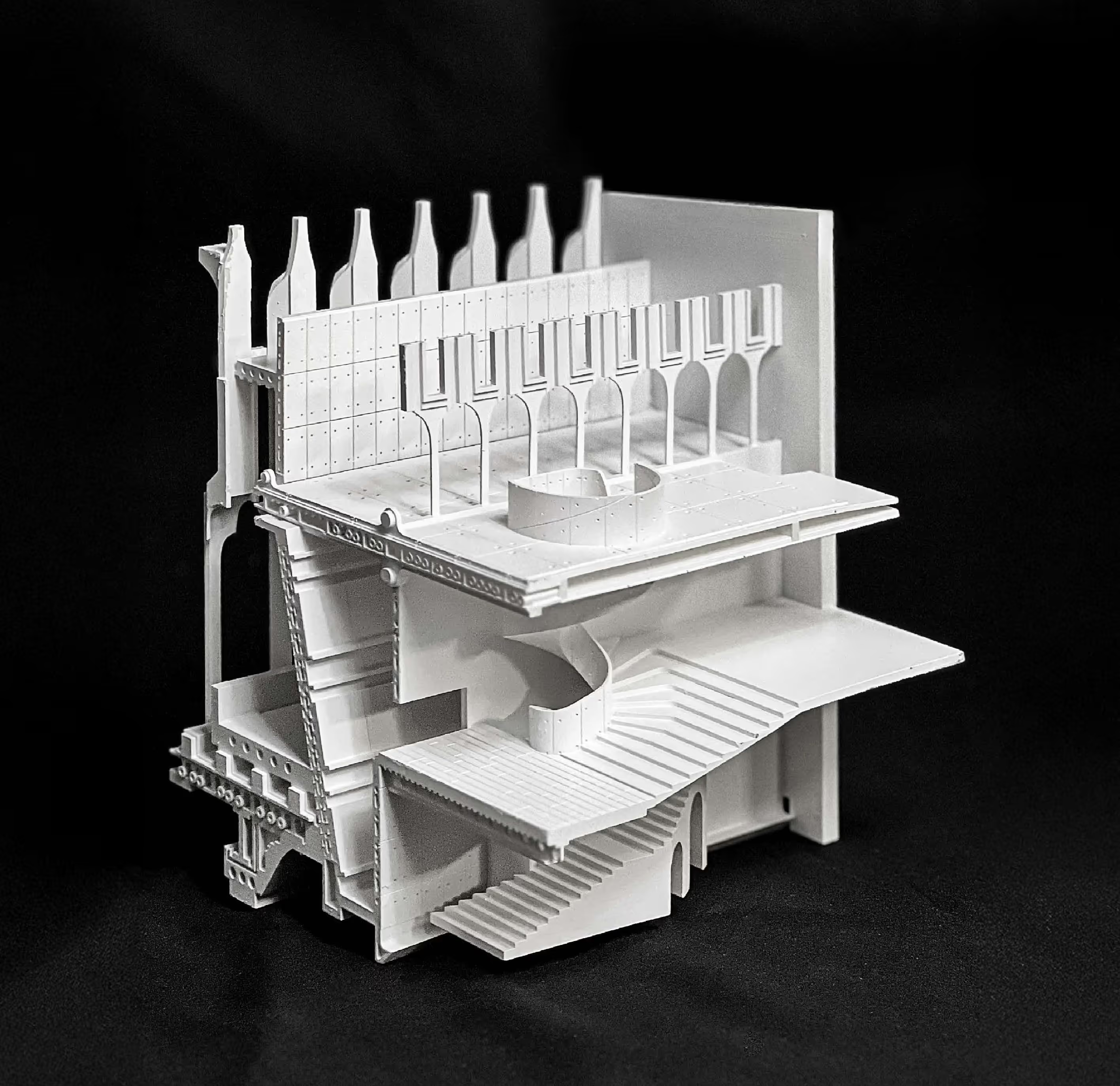
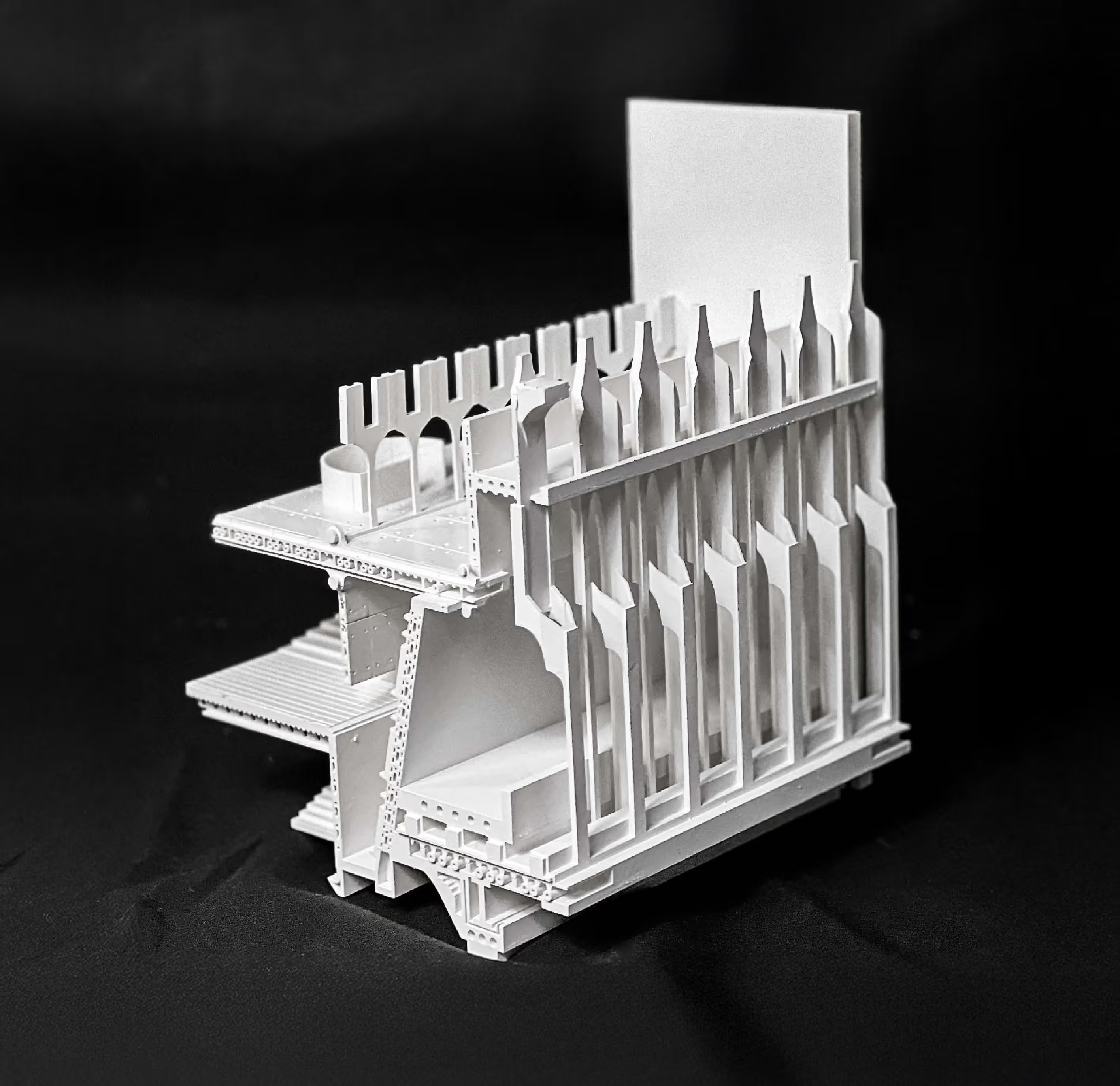
This project harnesses 3D technology, printing each intricate part separately for later assembly. This technique, with its acute focus on detail, exemplifies the digital-to-material transition, unifying practice and theory.