TIMBERTECH MEET SHINGLE

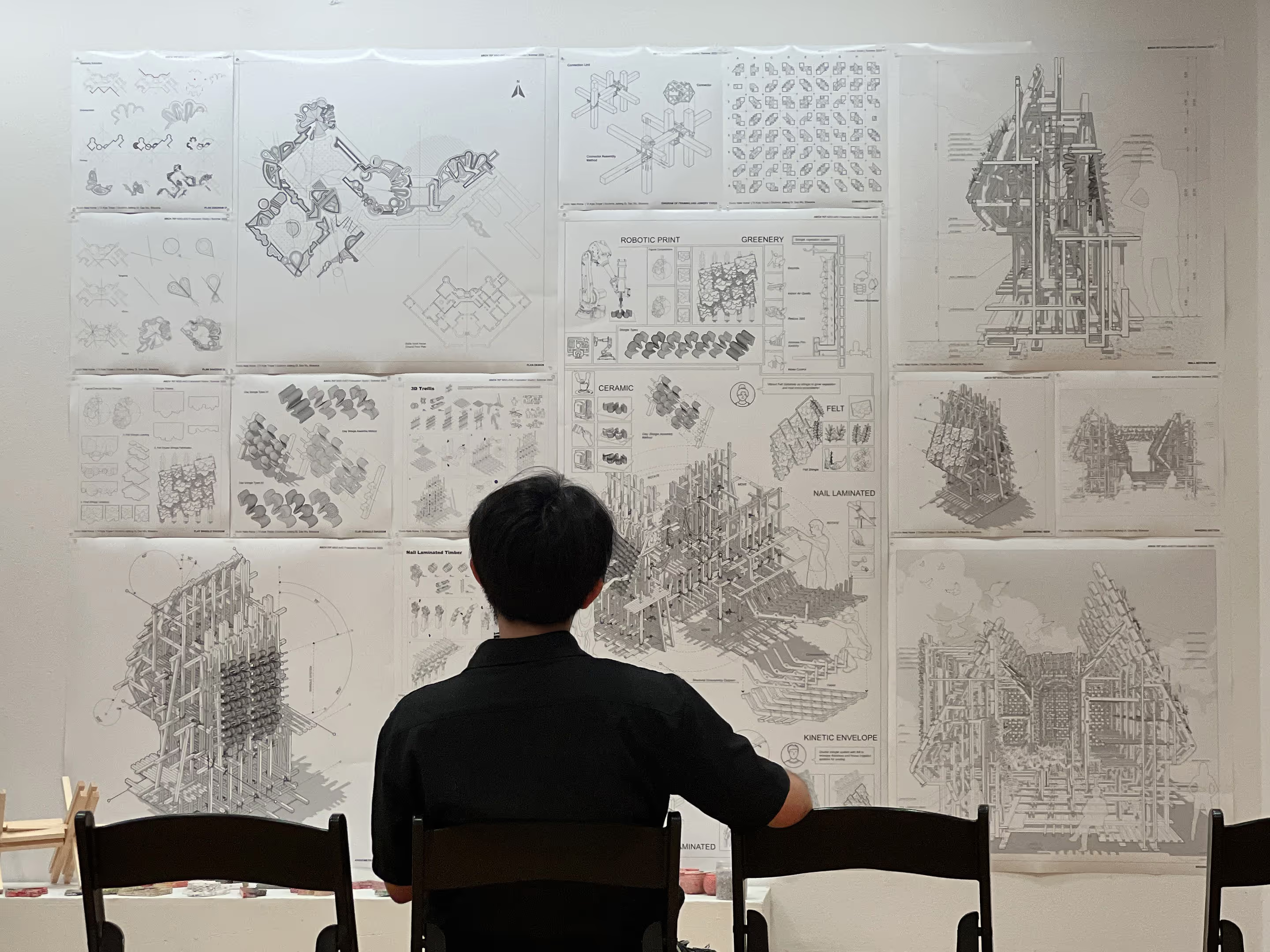
This project represents a forward-looking exploration of the future of architecture. It goes beyond space and form, offering insight into emerging materials and construction technologies. From the outset, the design focused on researching advanced materials that could redefine future architectural practices.
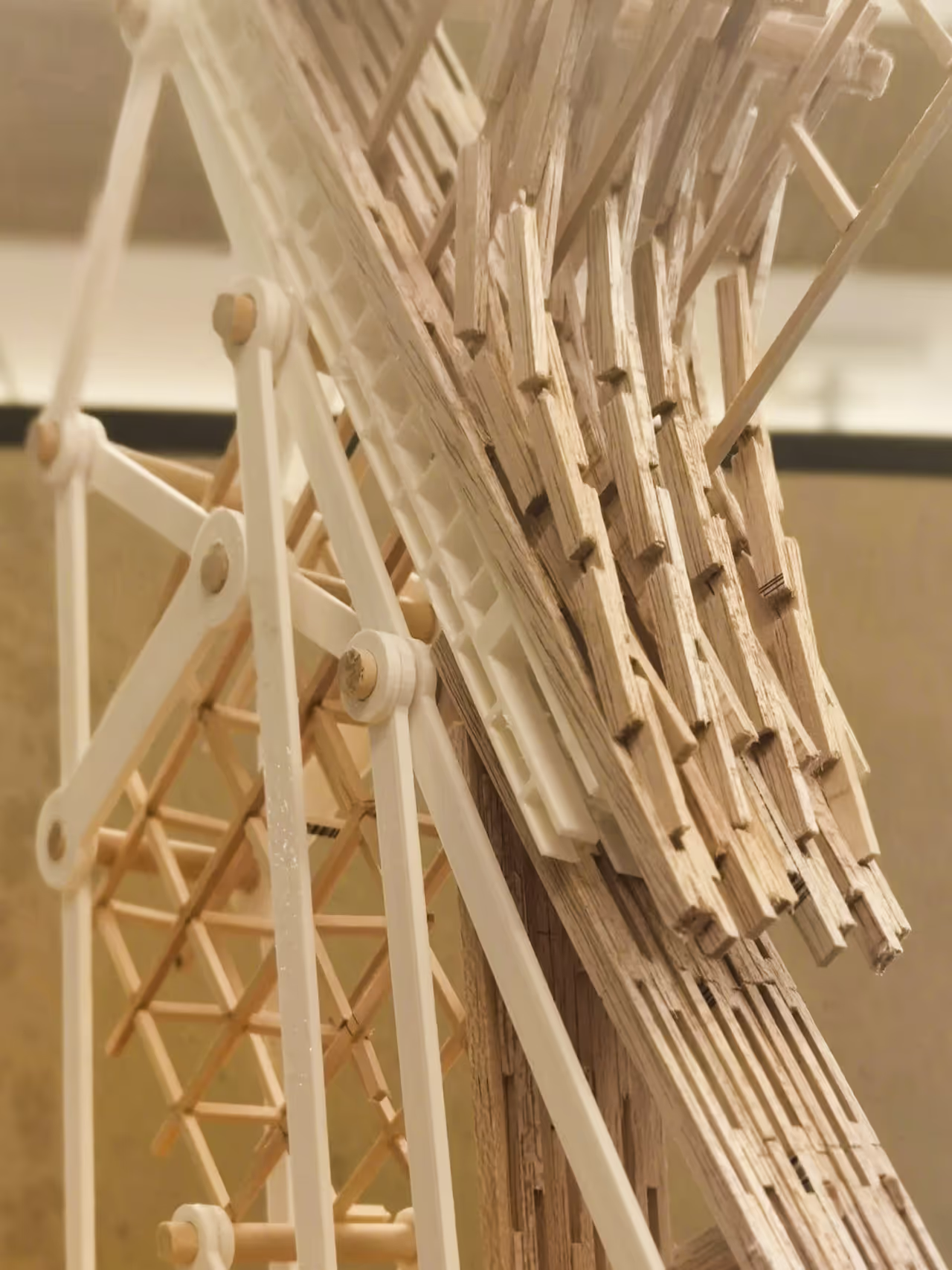
We examined each design element from multiple perspectives. Inspired by historical architectural precedents, we explored possibilities for future structures. Our study of timber was driven not only by its natural aesthetic qualities but also by its alignment with sustainable and eco-friendly design principles. The introduction of robotic fabrication further expanded our ability to create complex architectural forms. As a renewable and environmentally responsible material, cork was also carefully evaluated and applied.
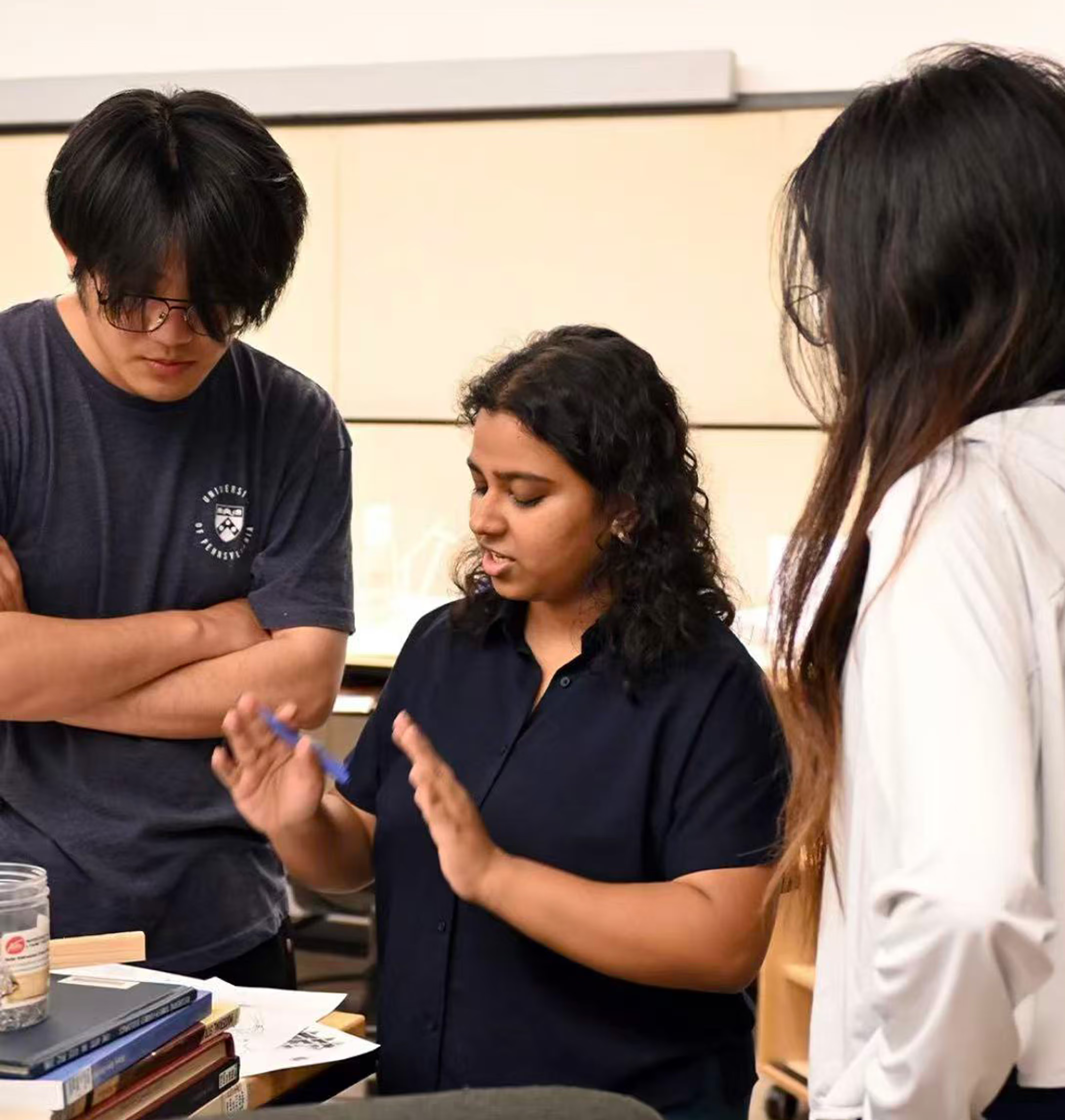
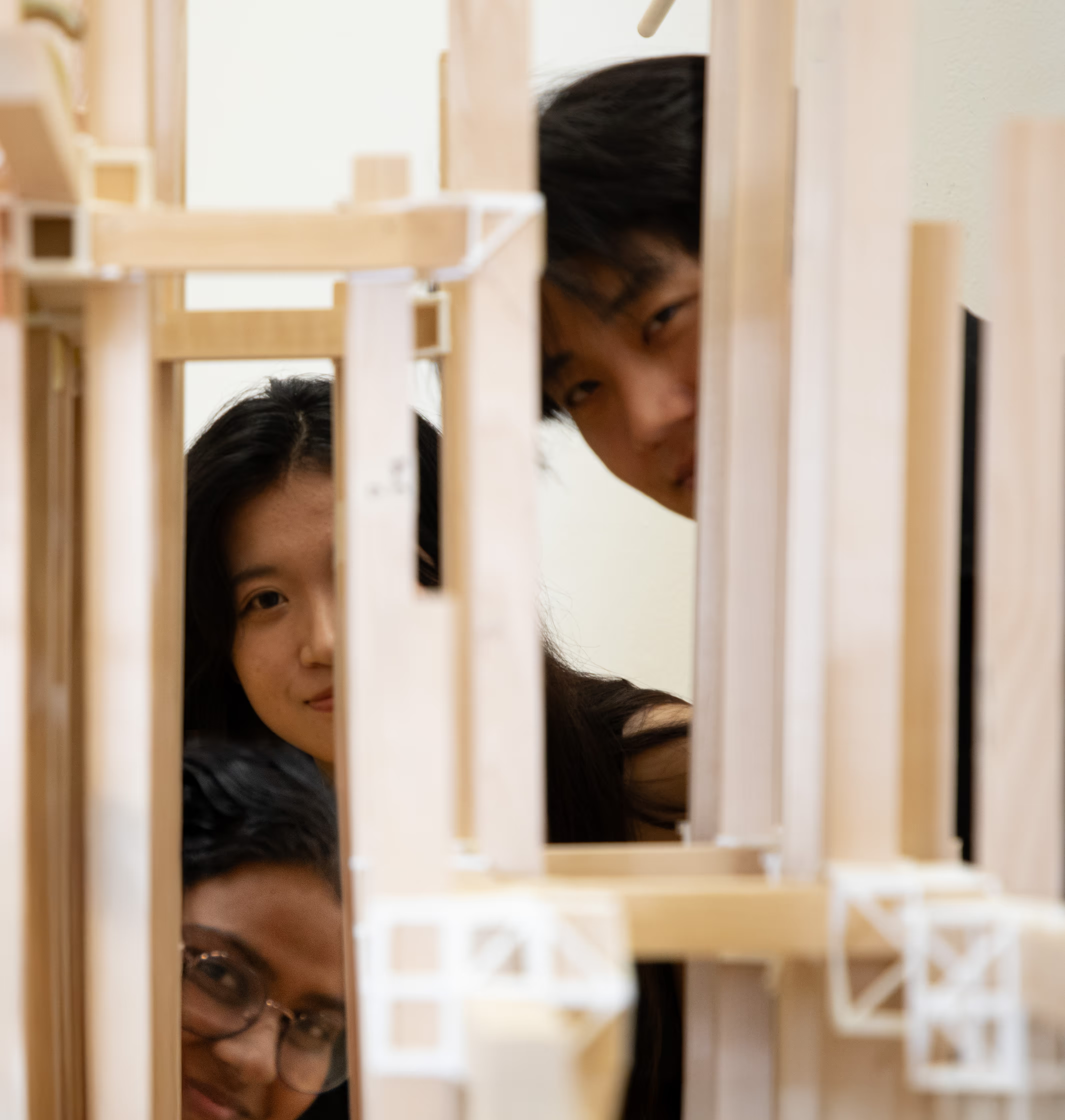
Through interdisciplinary collaboration and extensive research, the team integrated diverse skills and knowledge to produce a design that is both innovative and demonstrative of future possibilities.
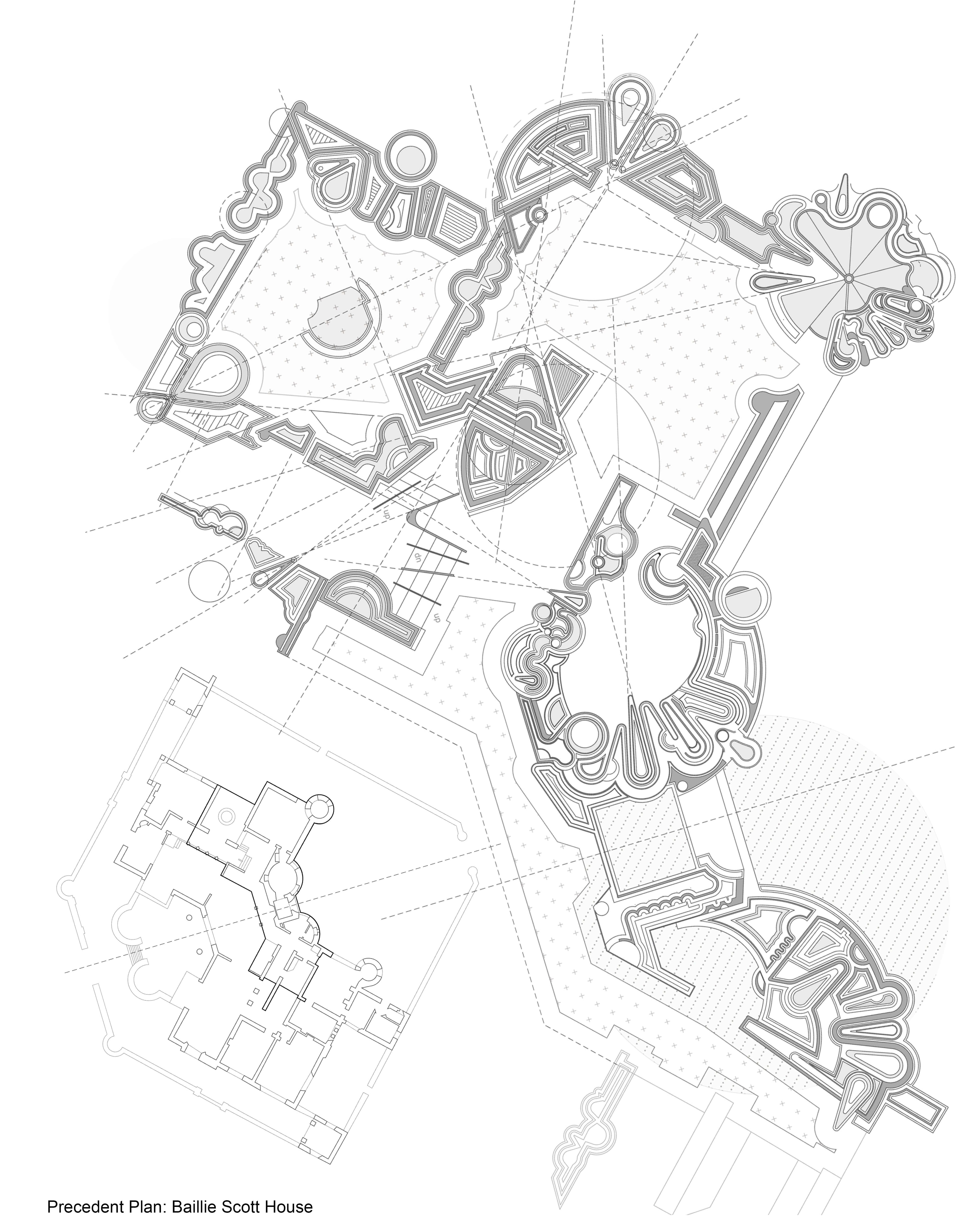
The Process of Precedent Translation
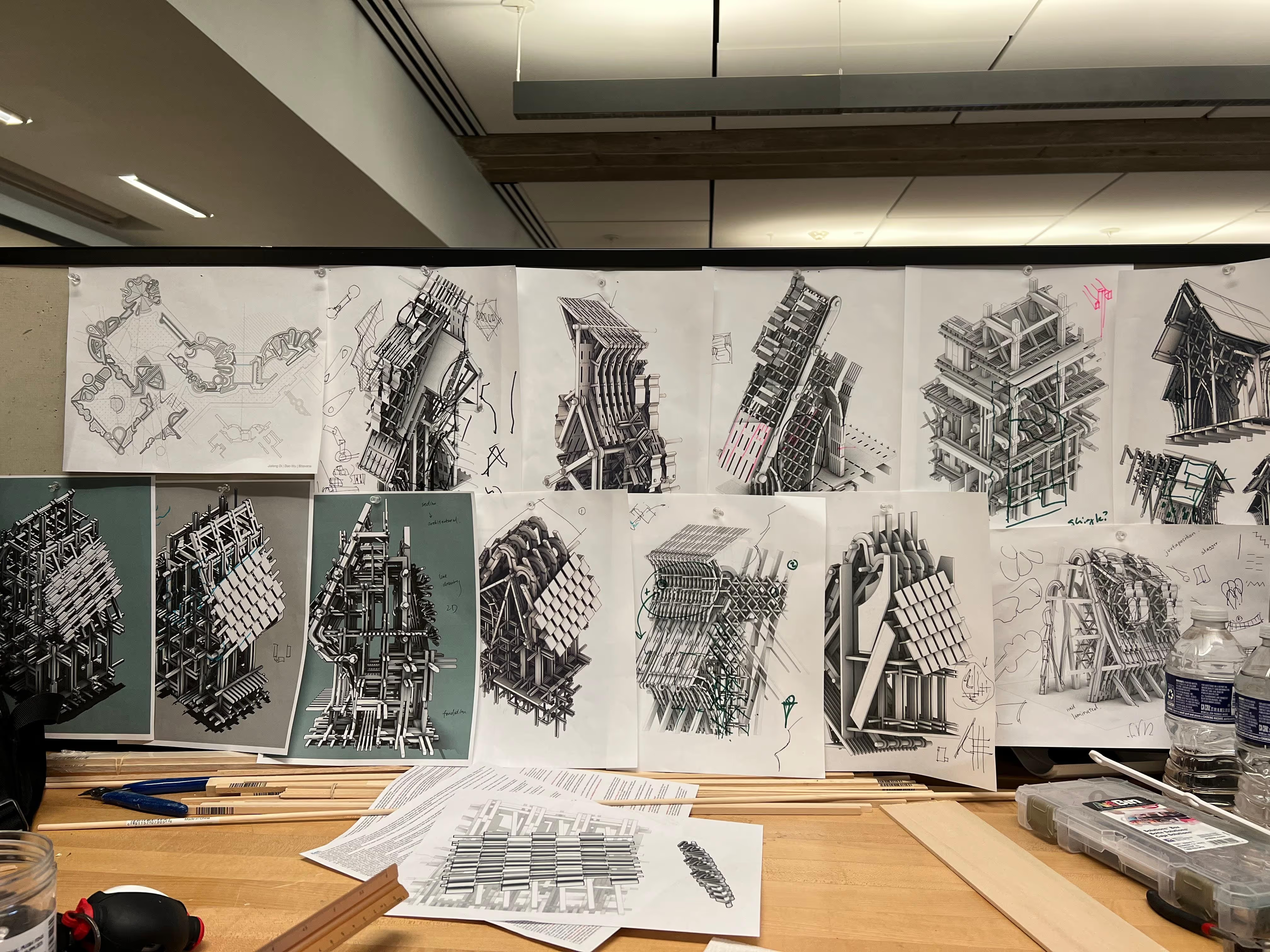
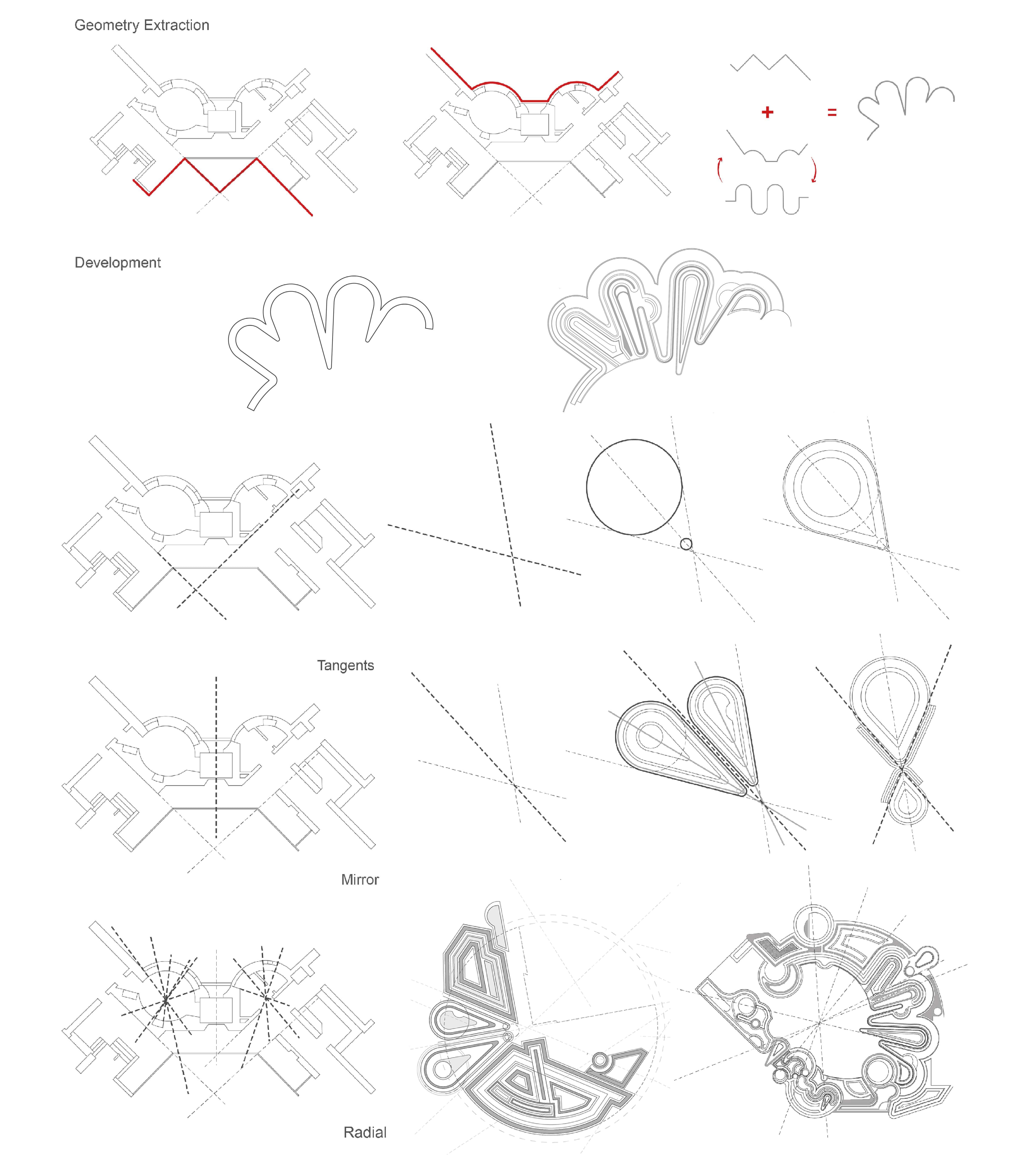
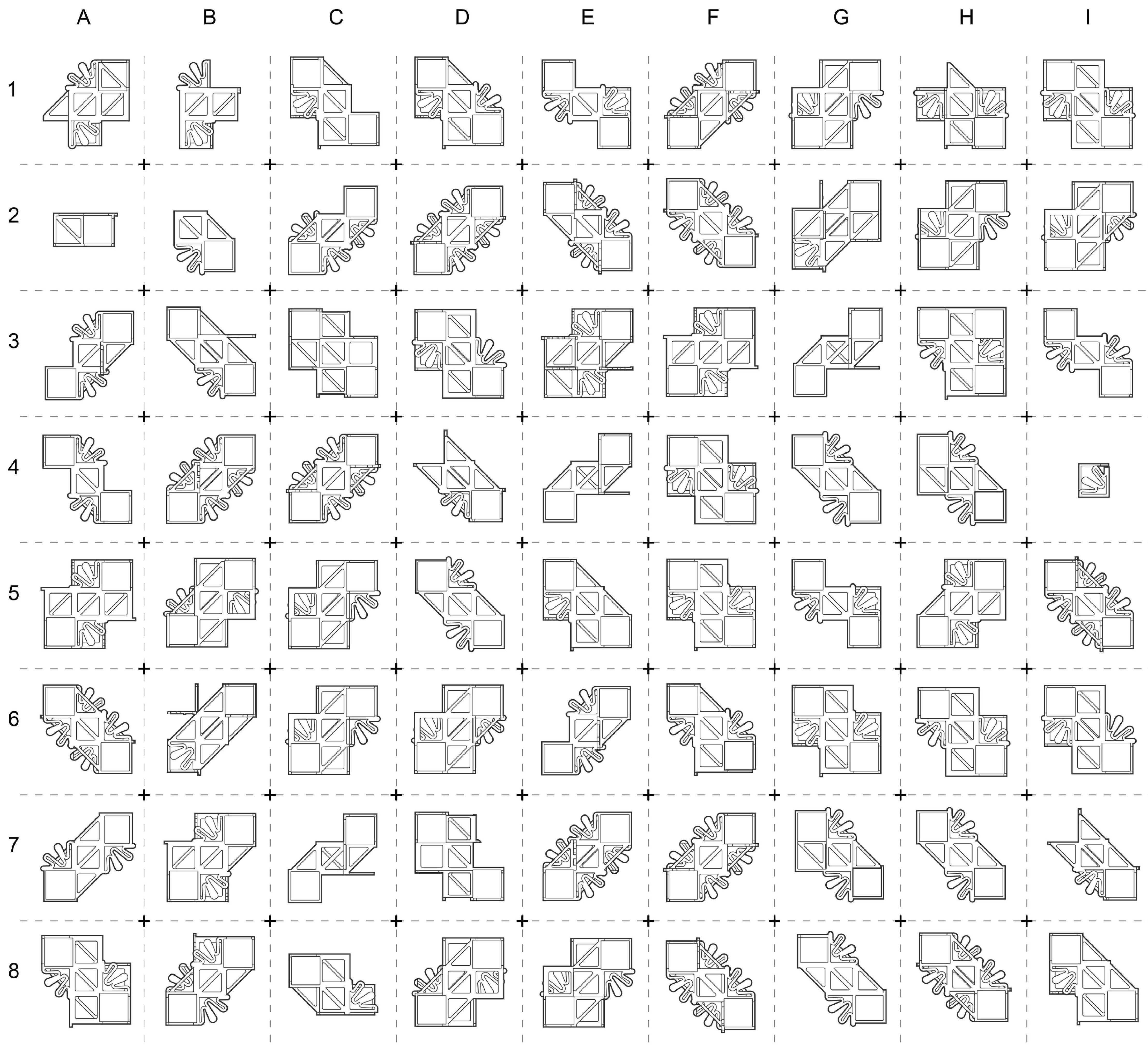
After delving into the floor plan of the Bailey residence, I distilled it into fundamental geometric shapes. Utilizing techniques such as projection geometry, mirroring, repetition, and staggering, we successfully crafted unique geometric aesthetics and seamlessly incorporated them into the design.
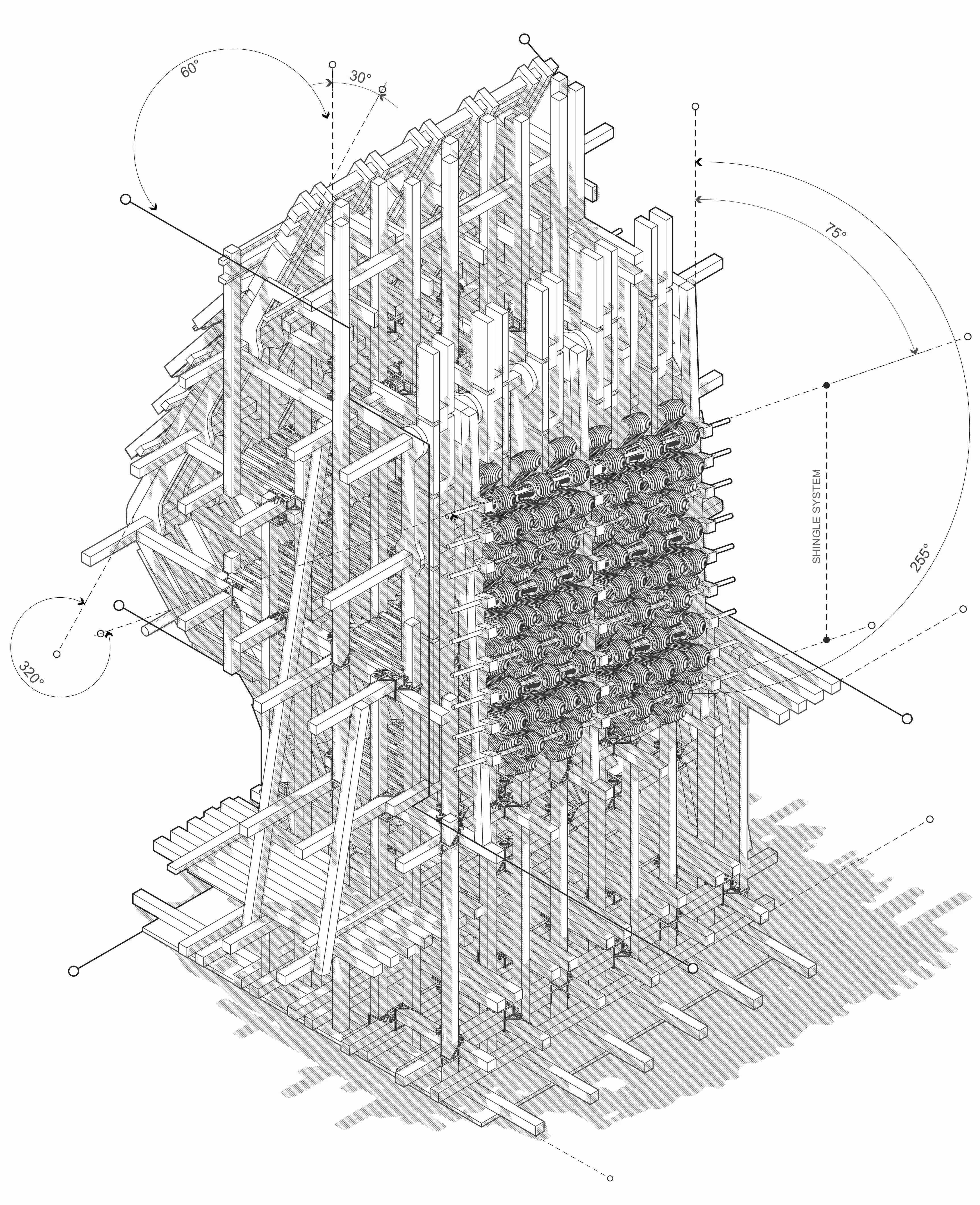
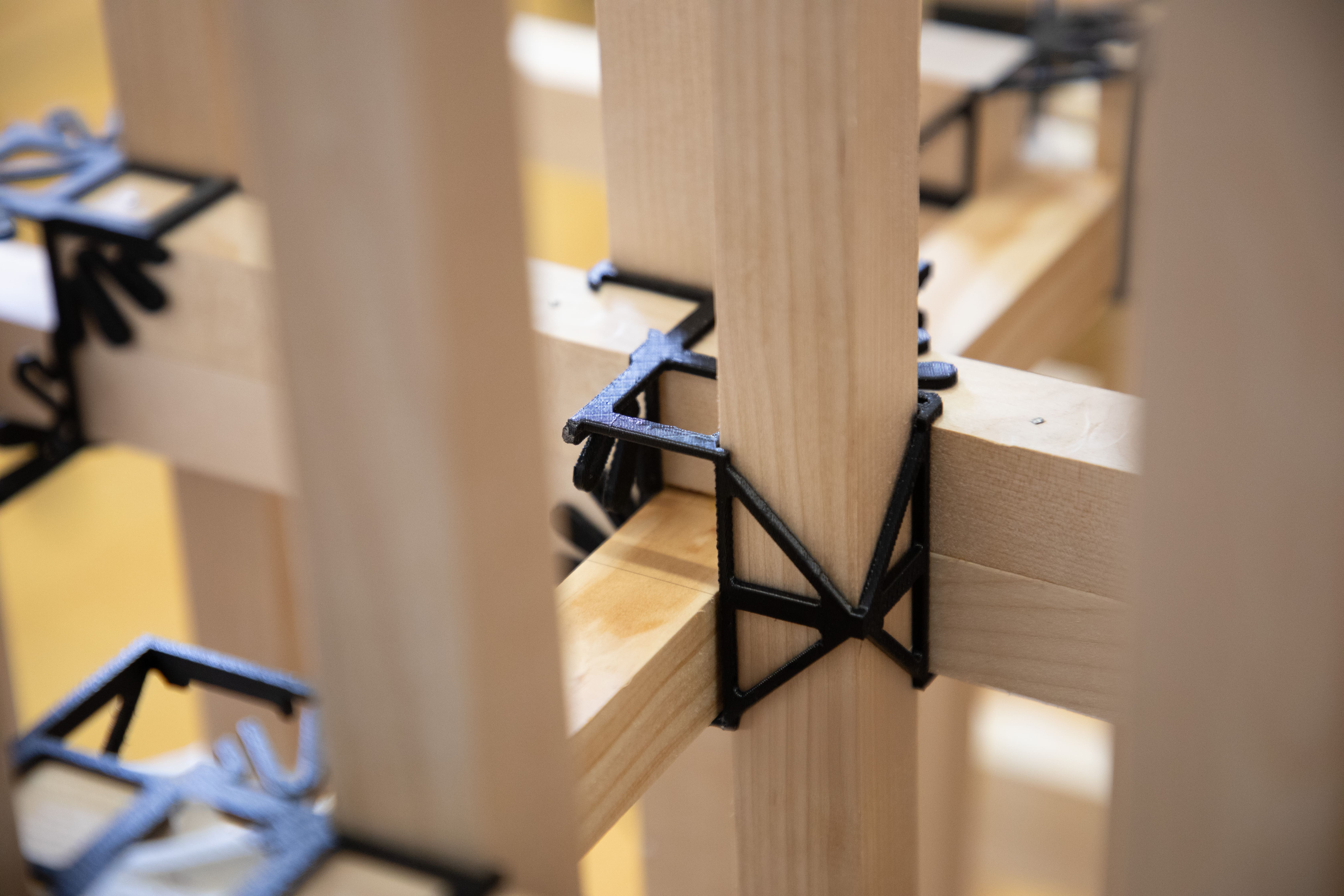
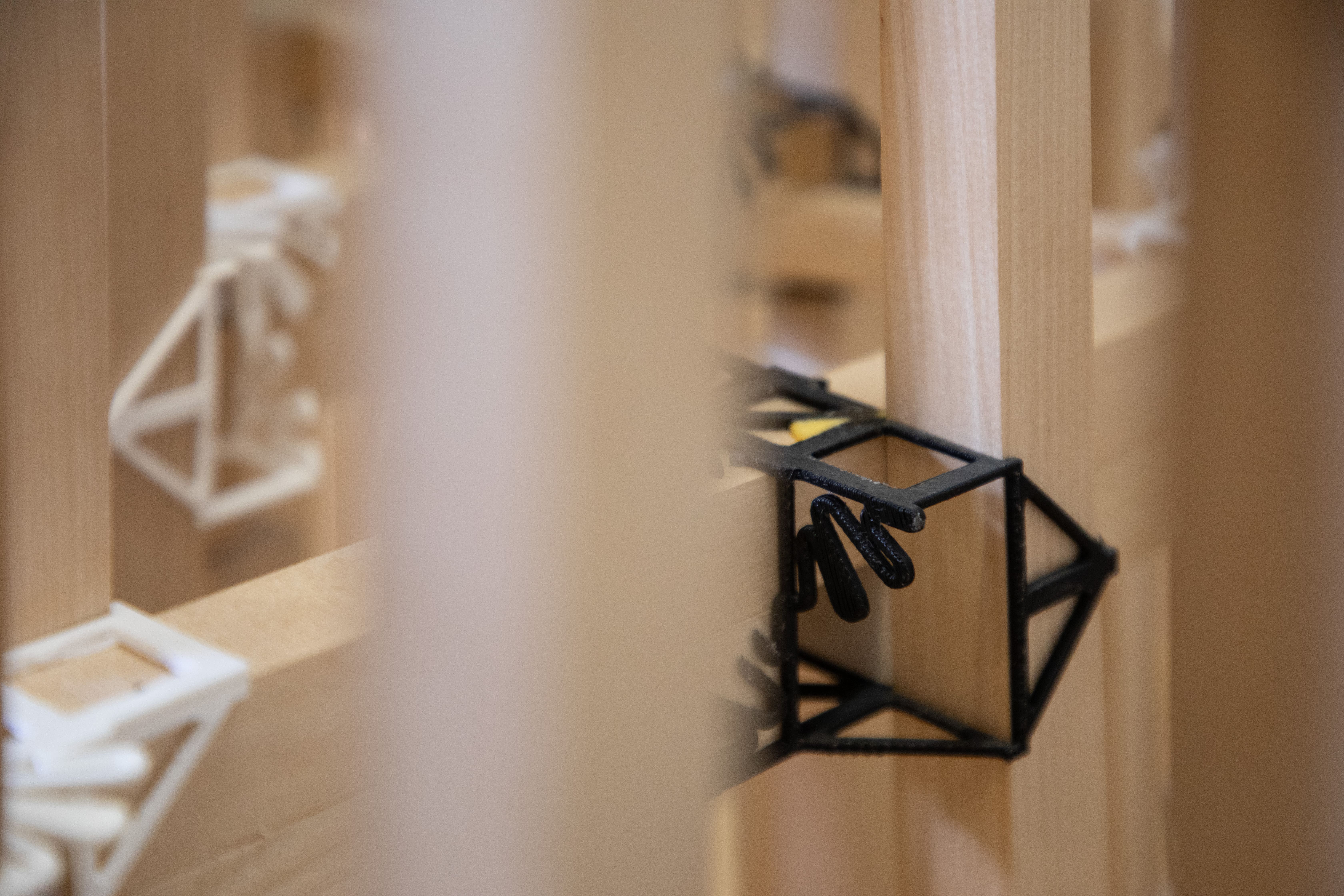
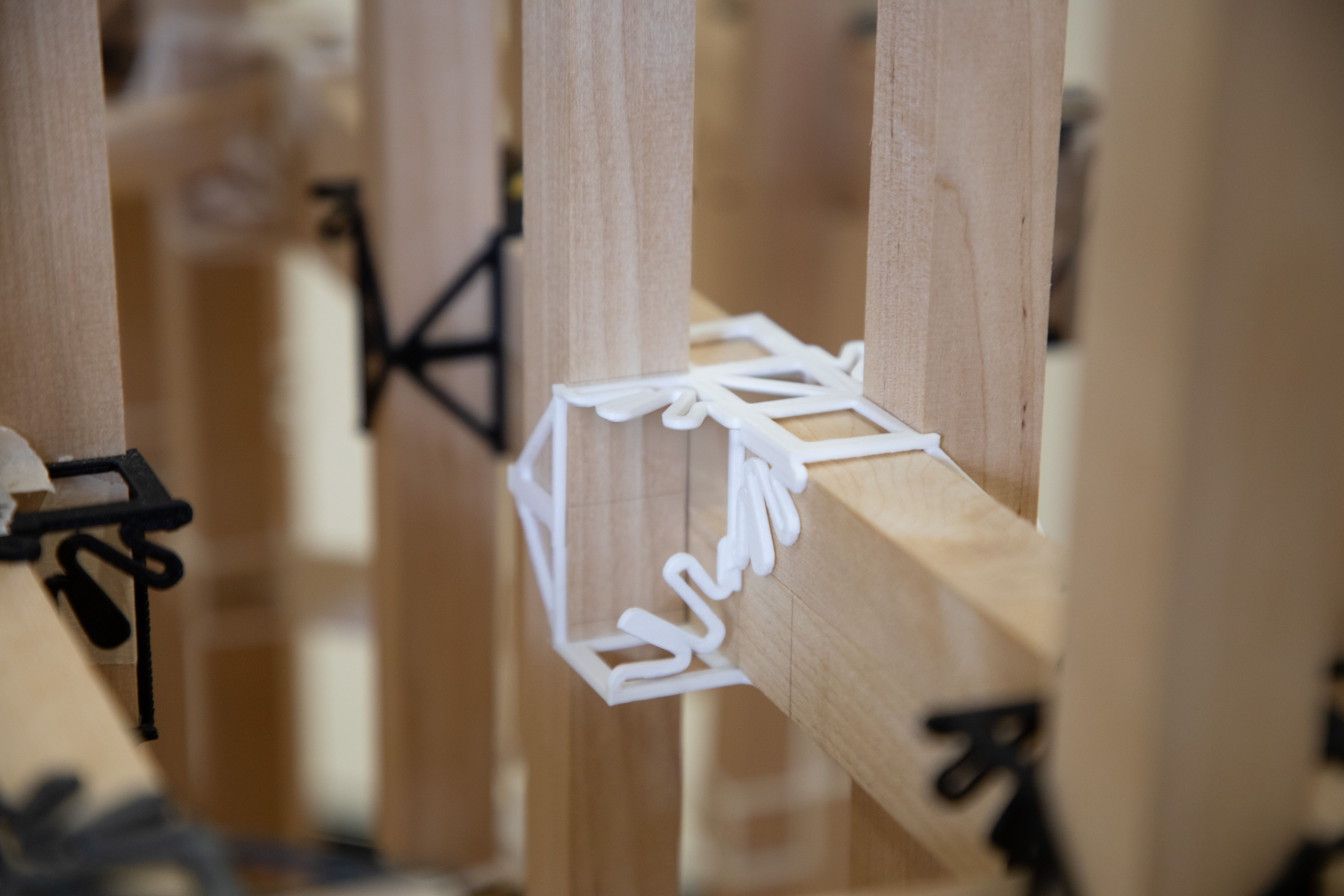
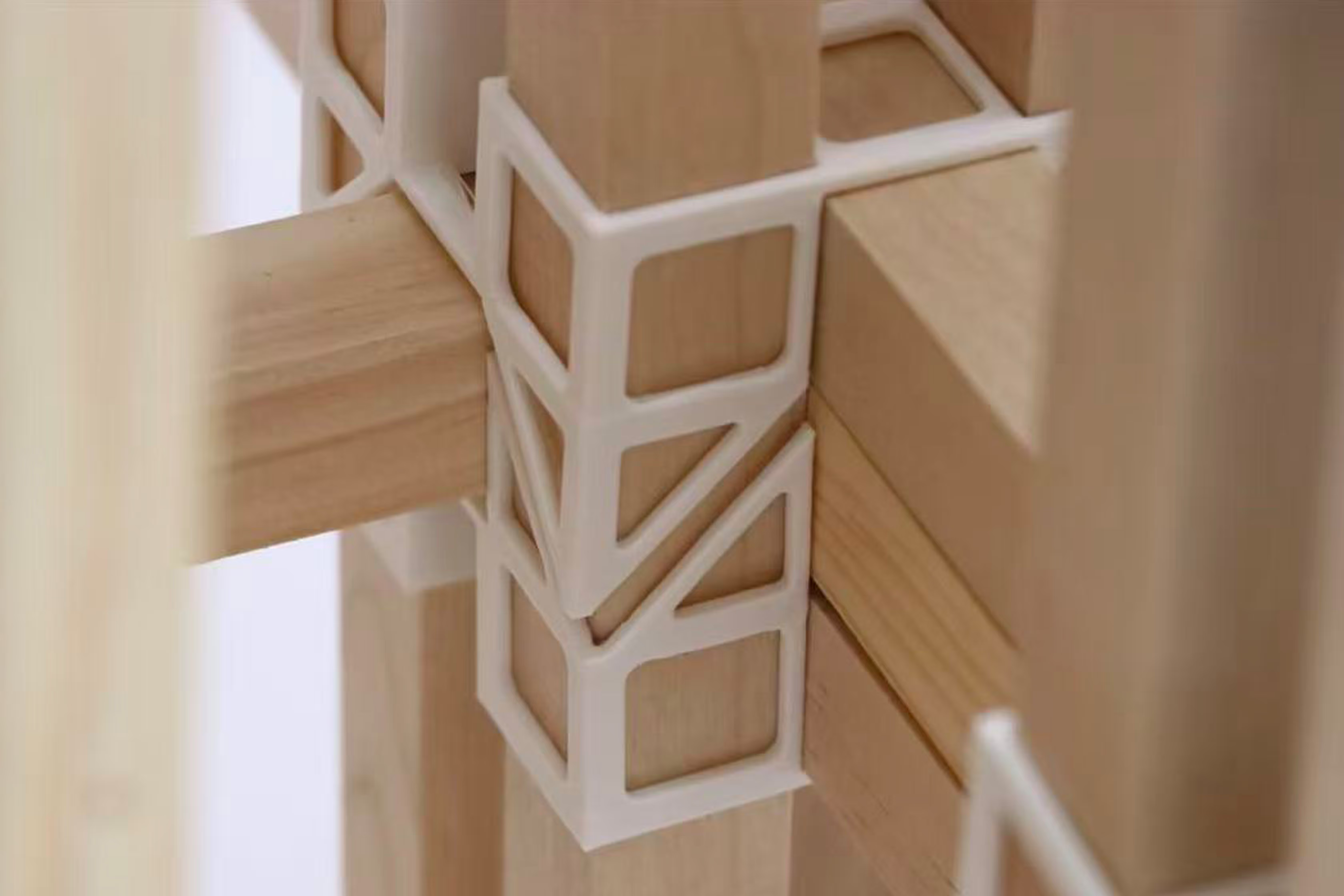
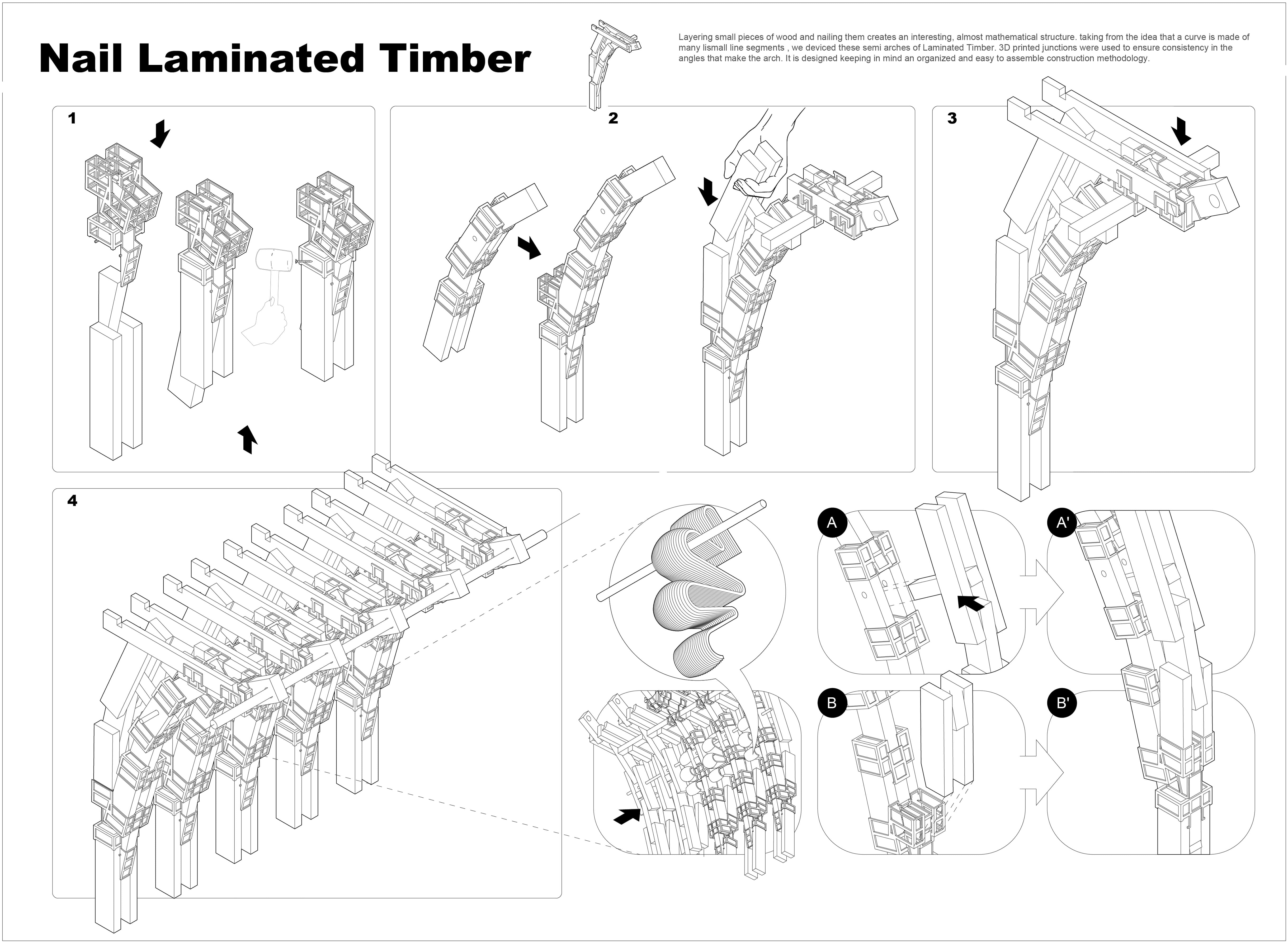
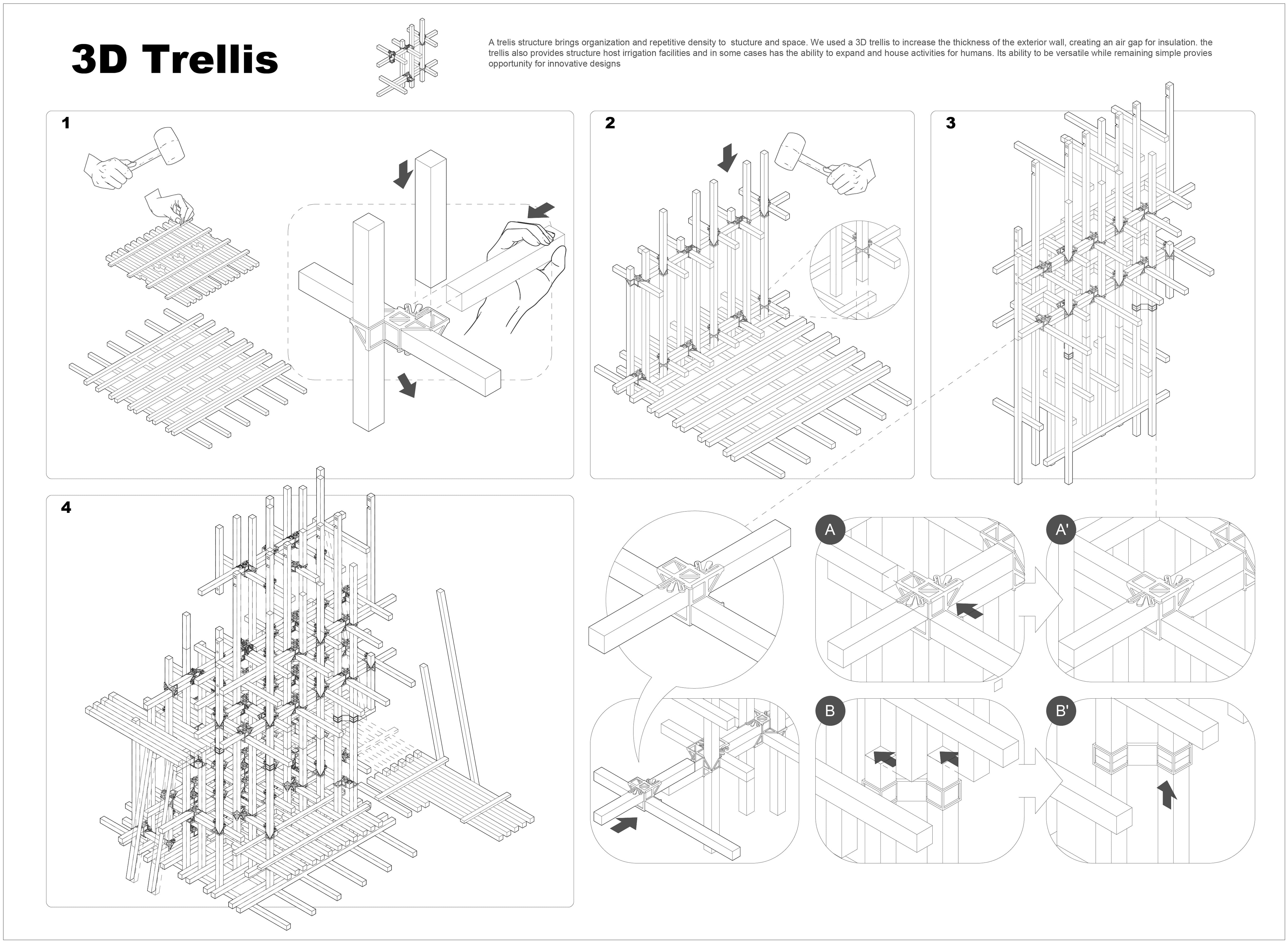
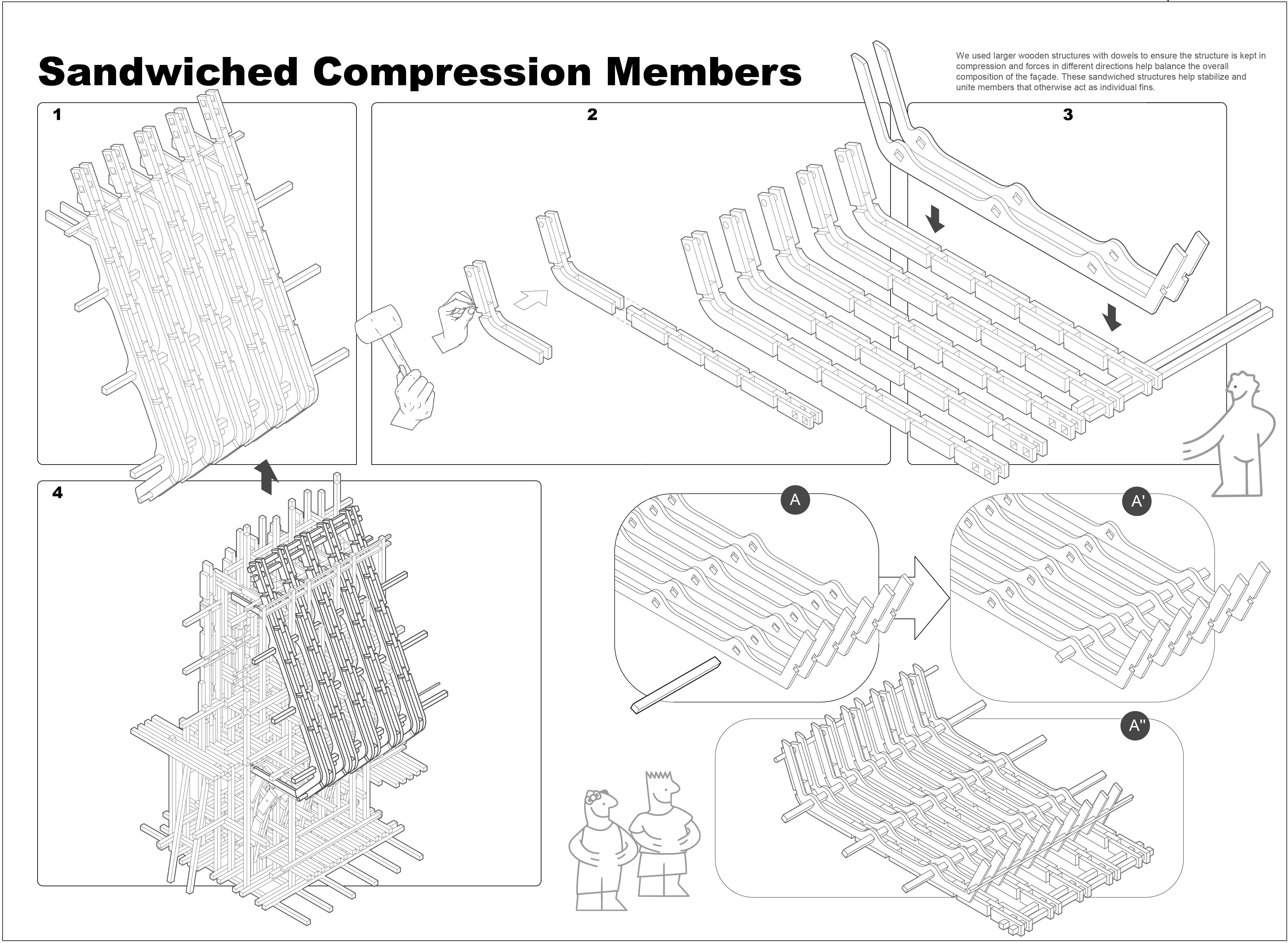
Our project explores 2 structural systems that can be utilized to increase the volume occupied by an external wall.
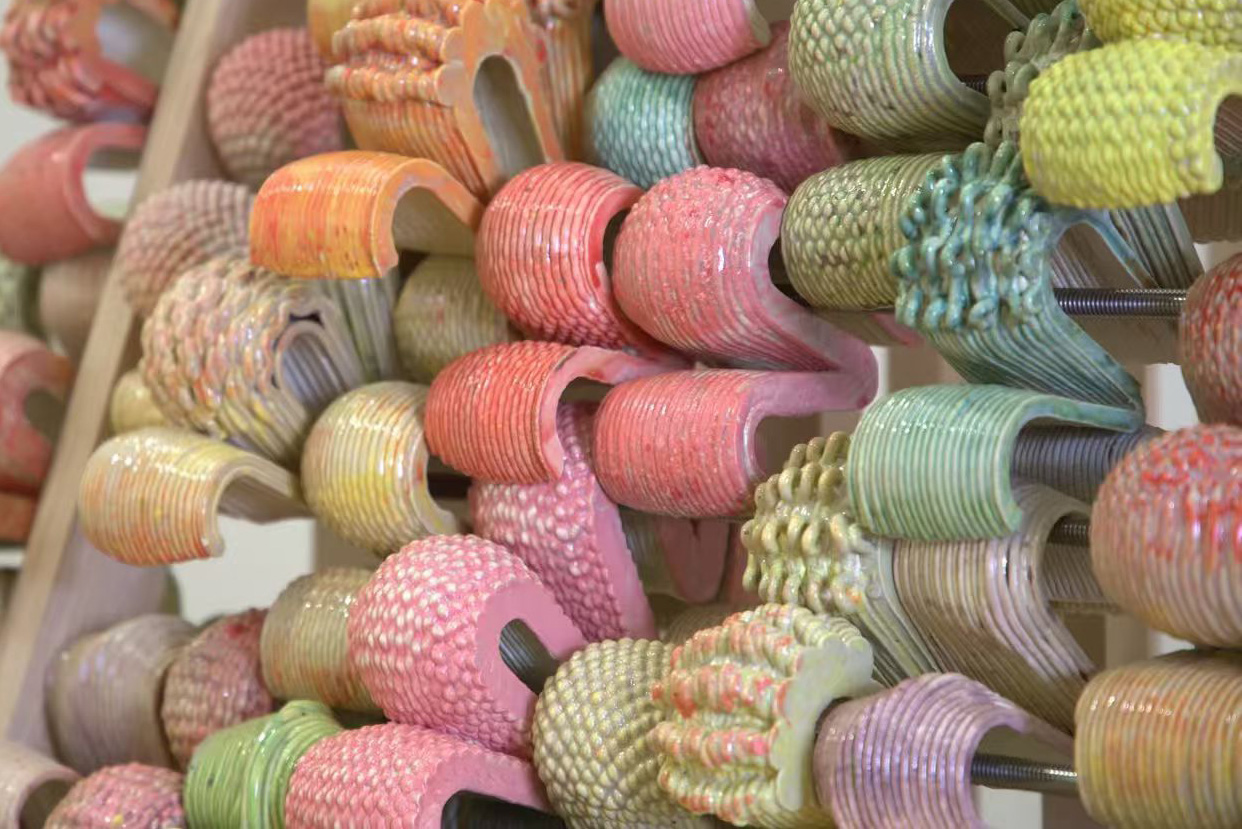
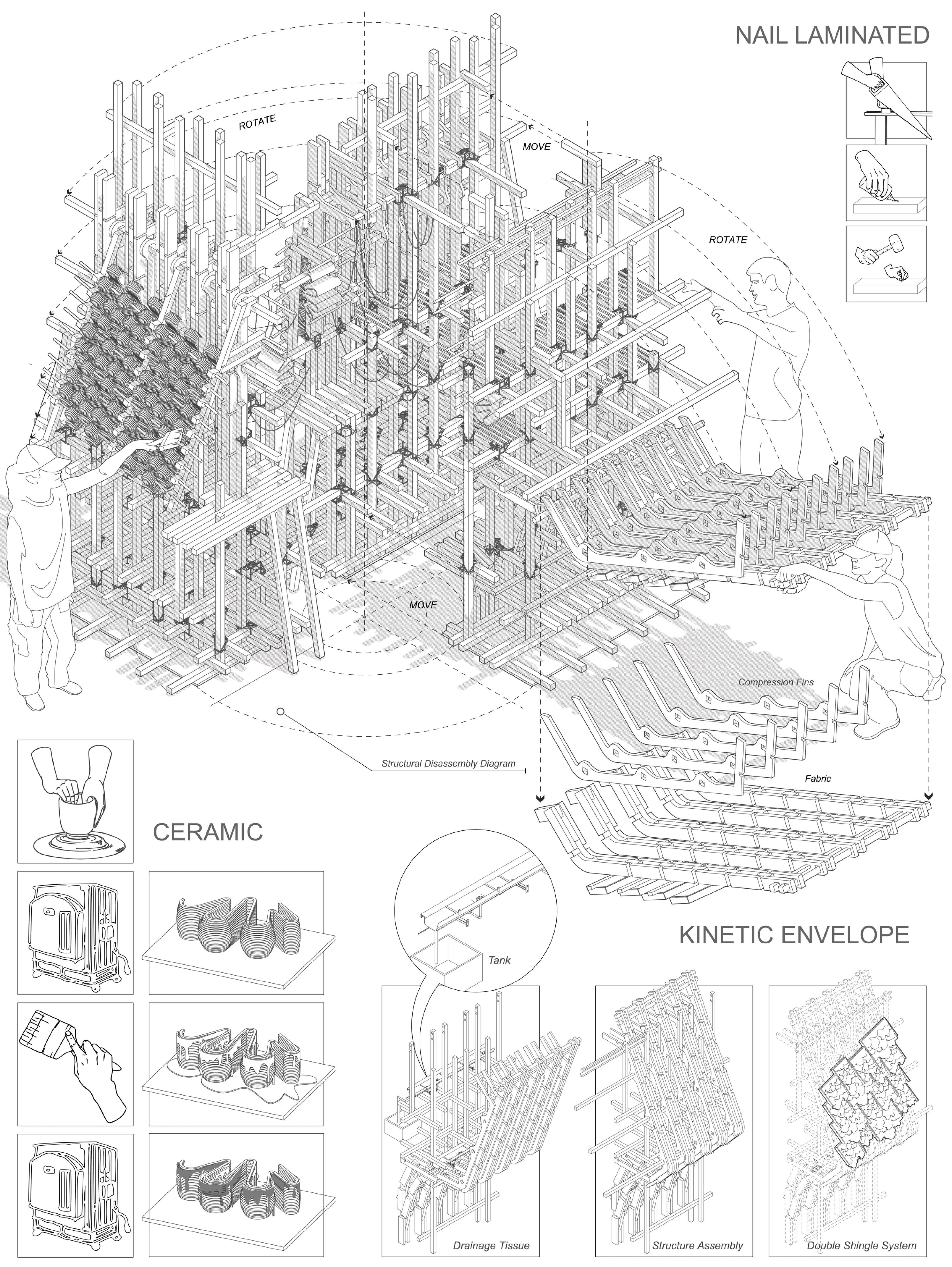
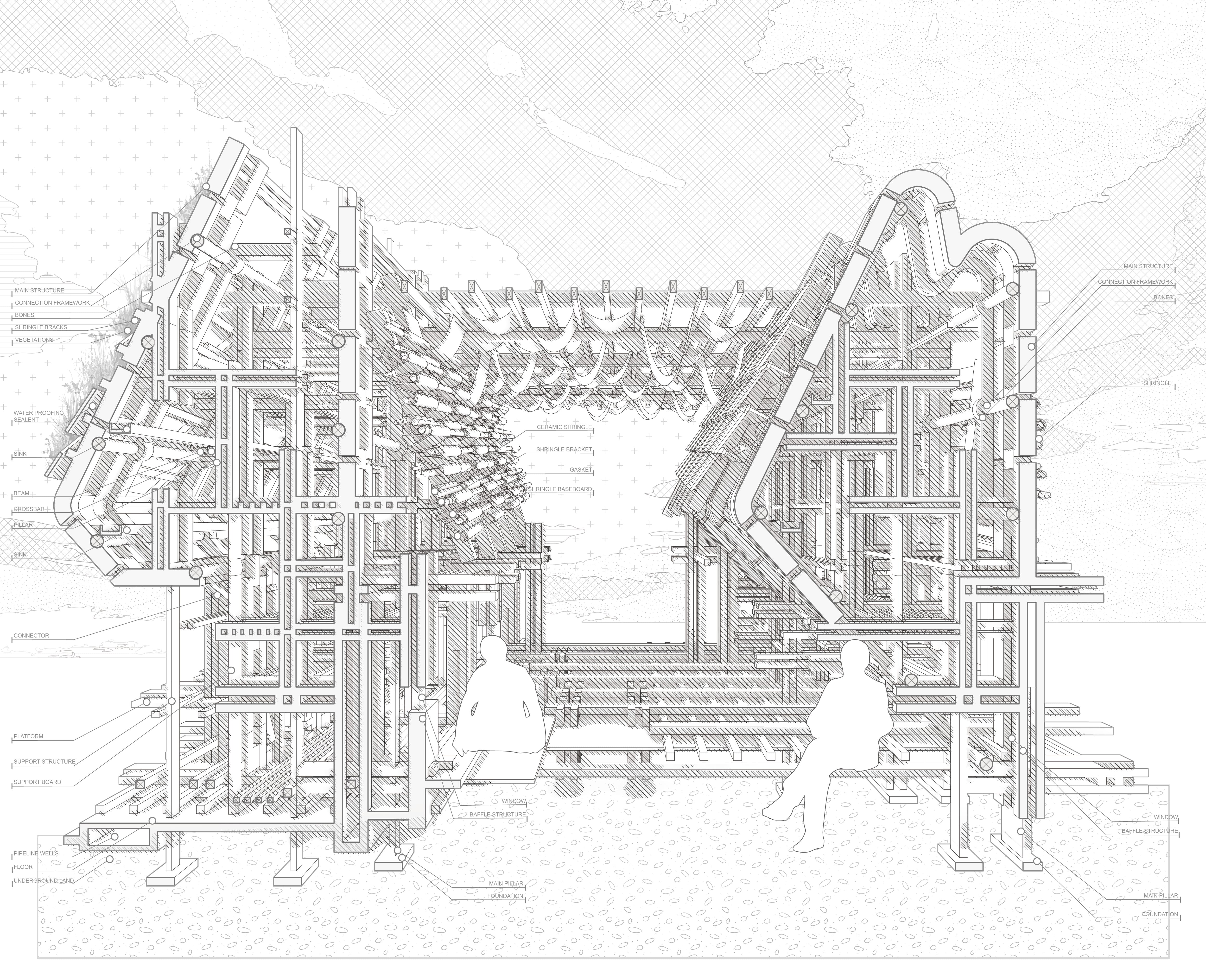
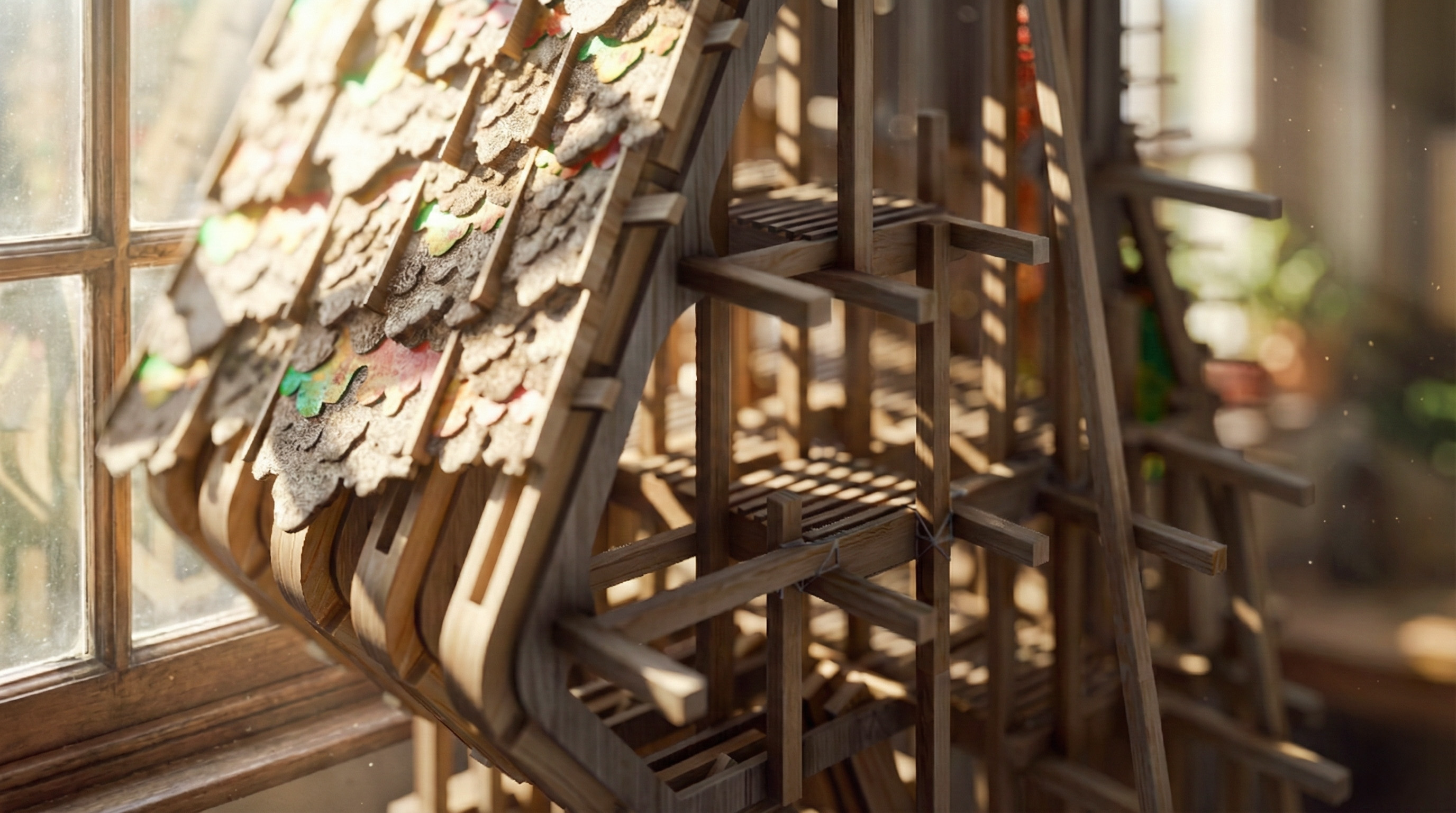
One is using robotic printed ceramics to act as singles and the other is a double shingle system. The double shingle system is a patterned layering of felt substrate layers to support vegetation and micro eco-systems. Both the shingles are utilized with an intent of reducing the amount of heat penetrating into the built space like a double façade system. The success of our system lies in its scalability and its adaptability to different corner conditions.
Section
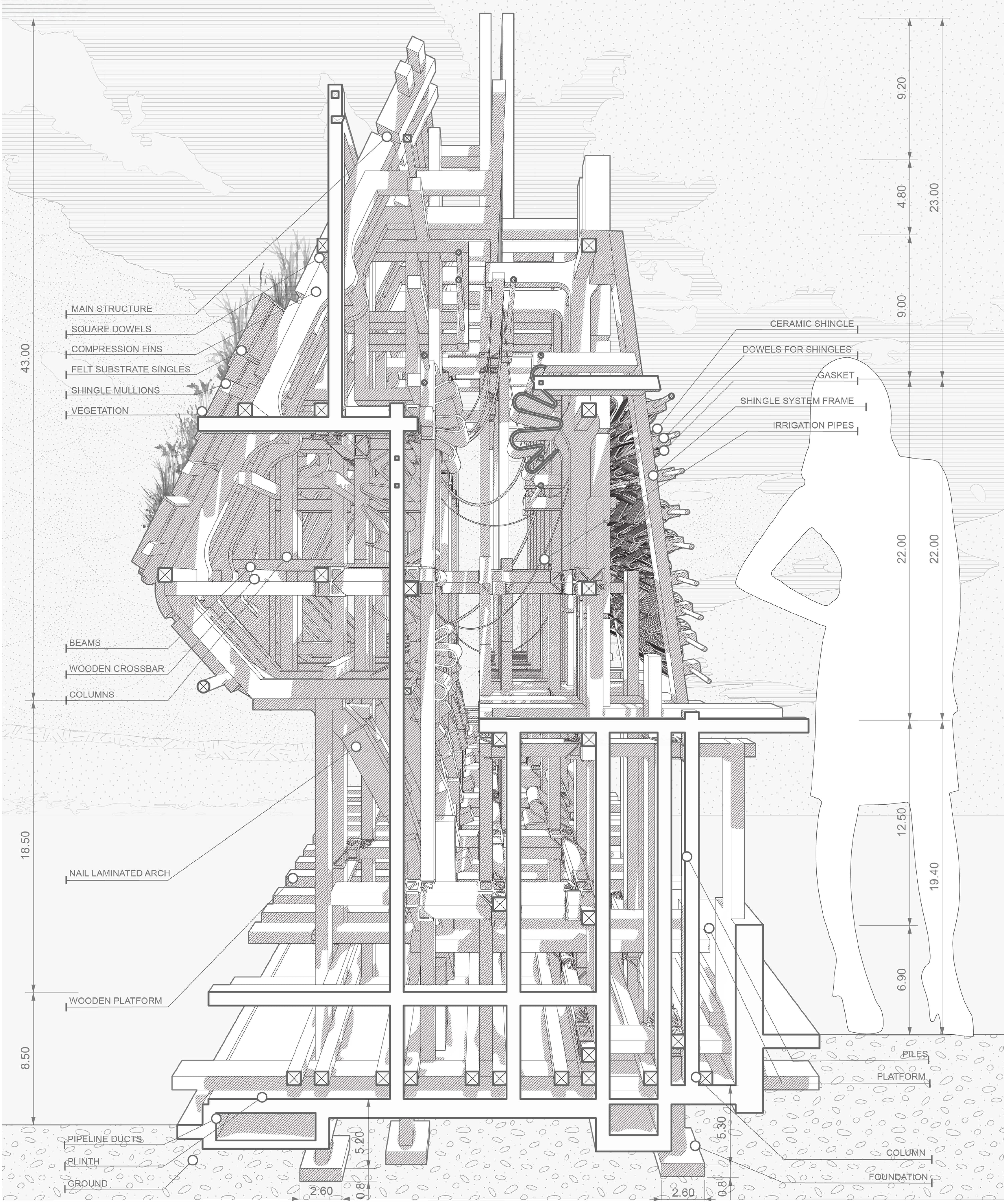
Double Shingle System Assembly Drawing

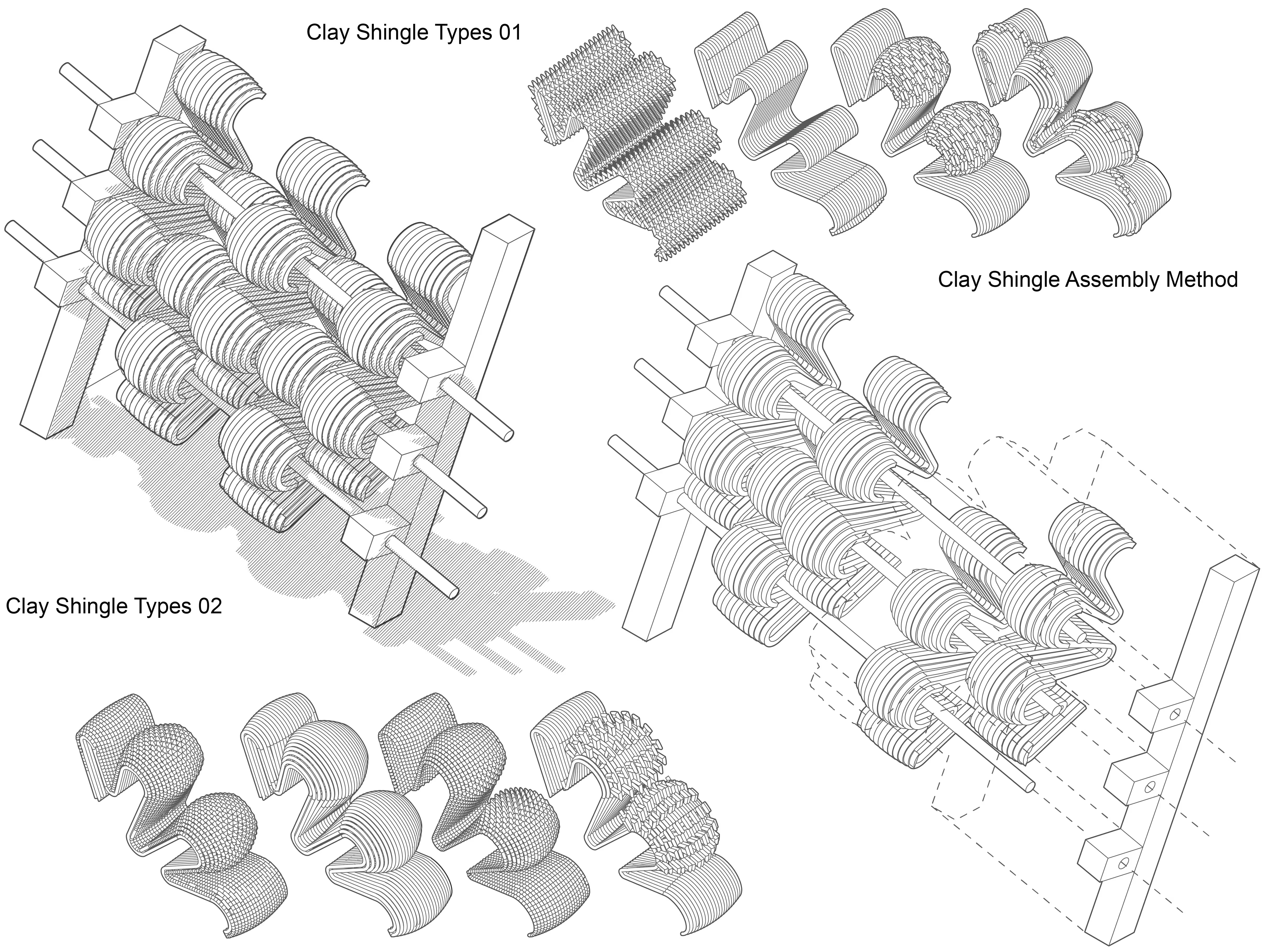
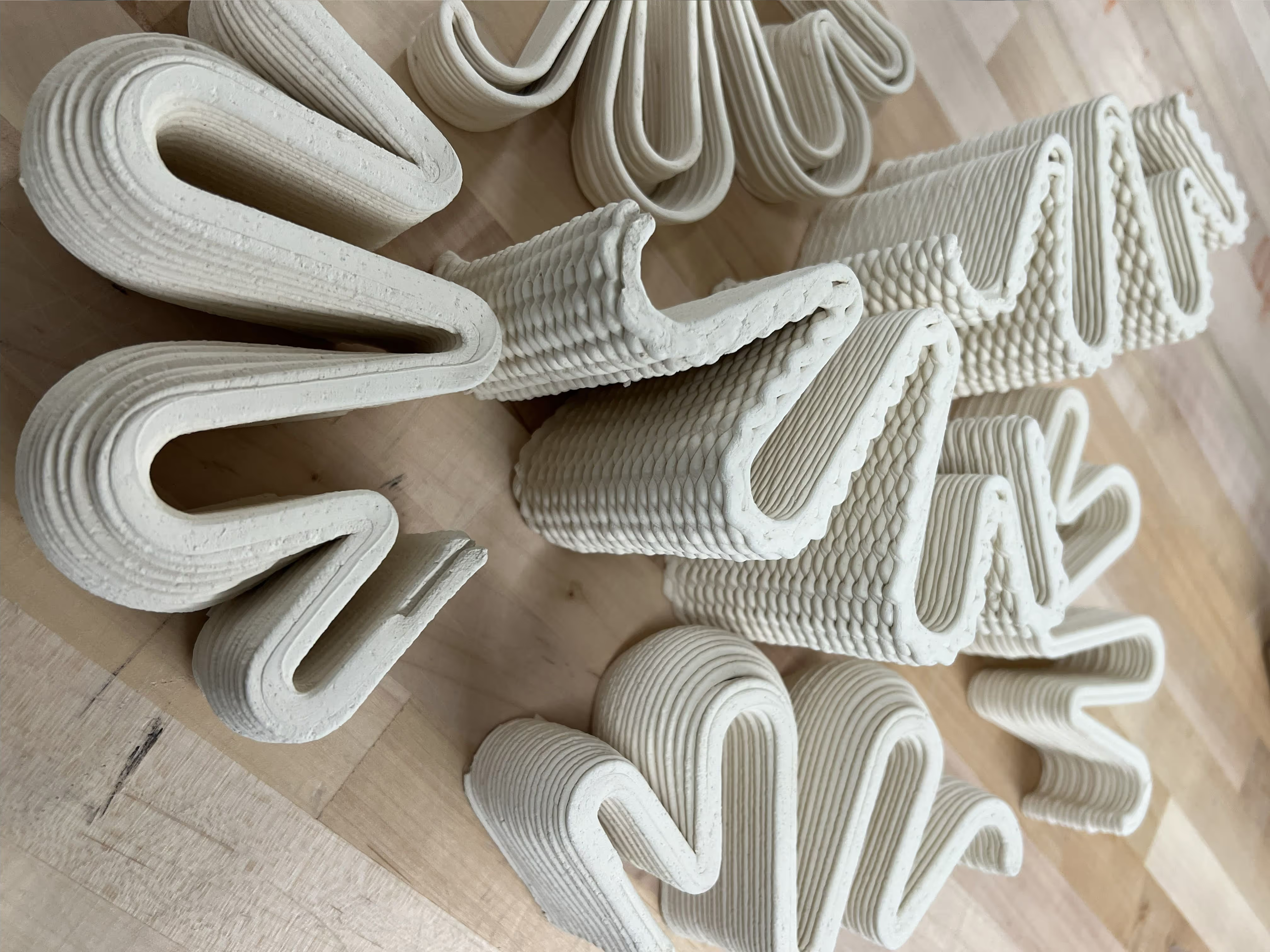
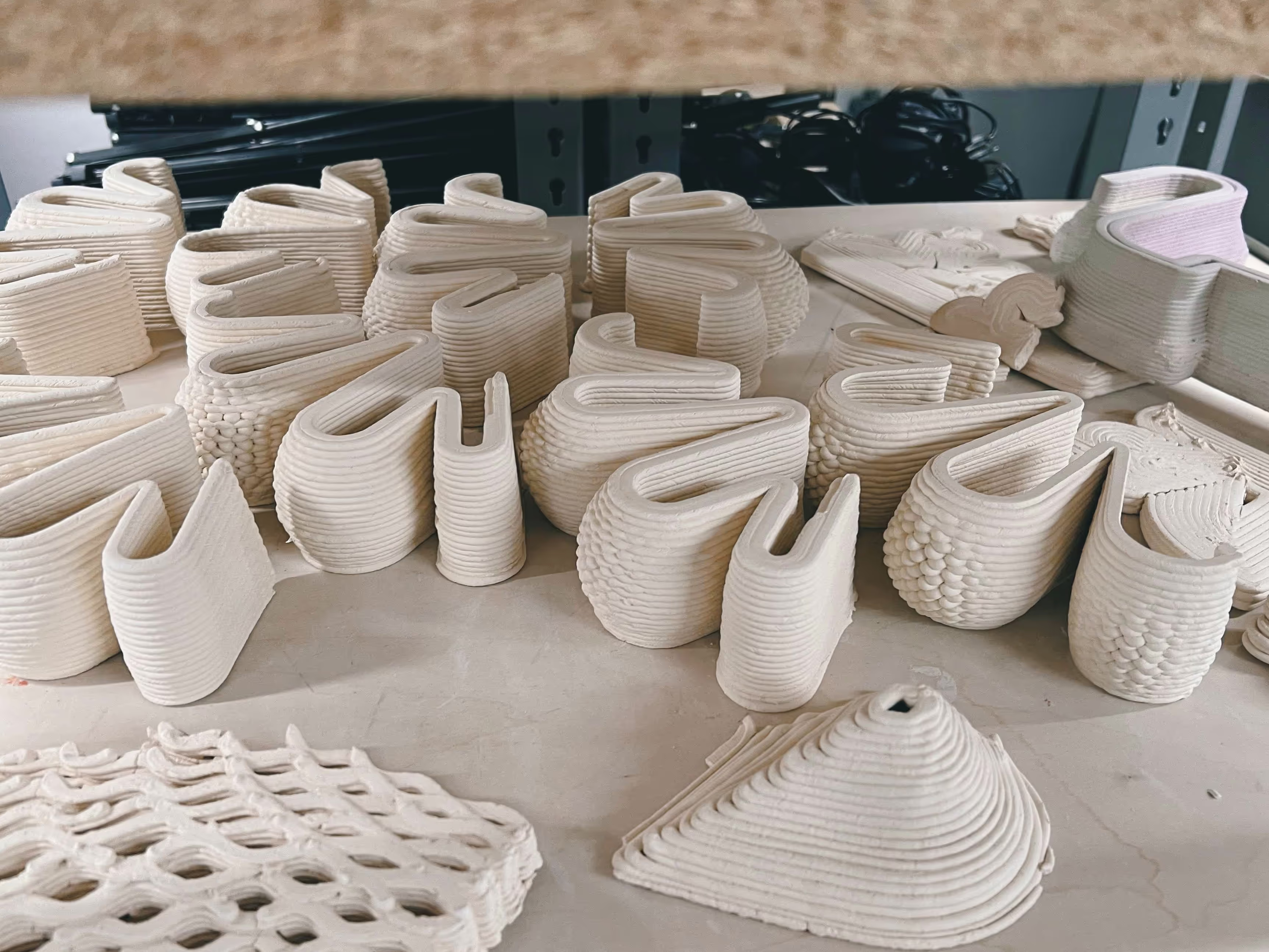
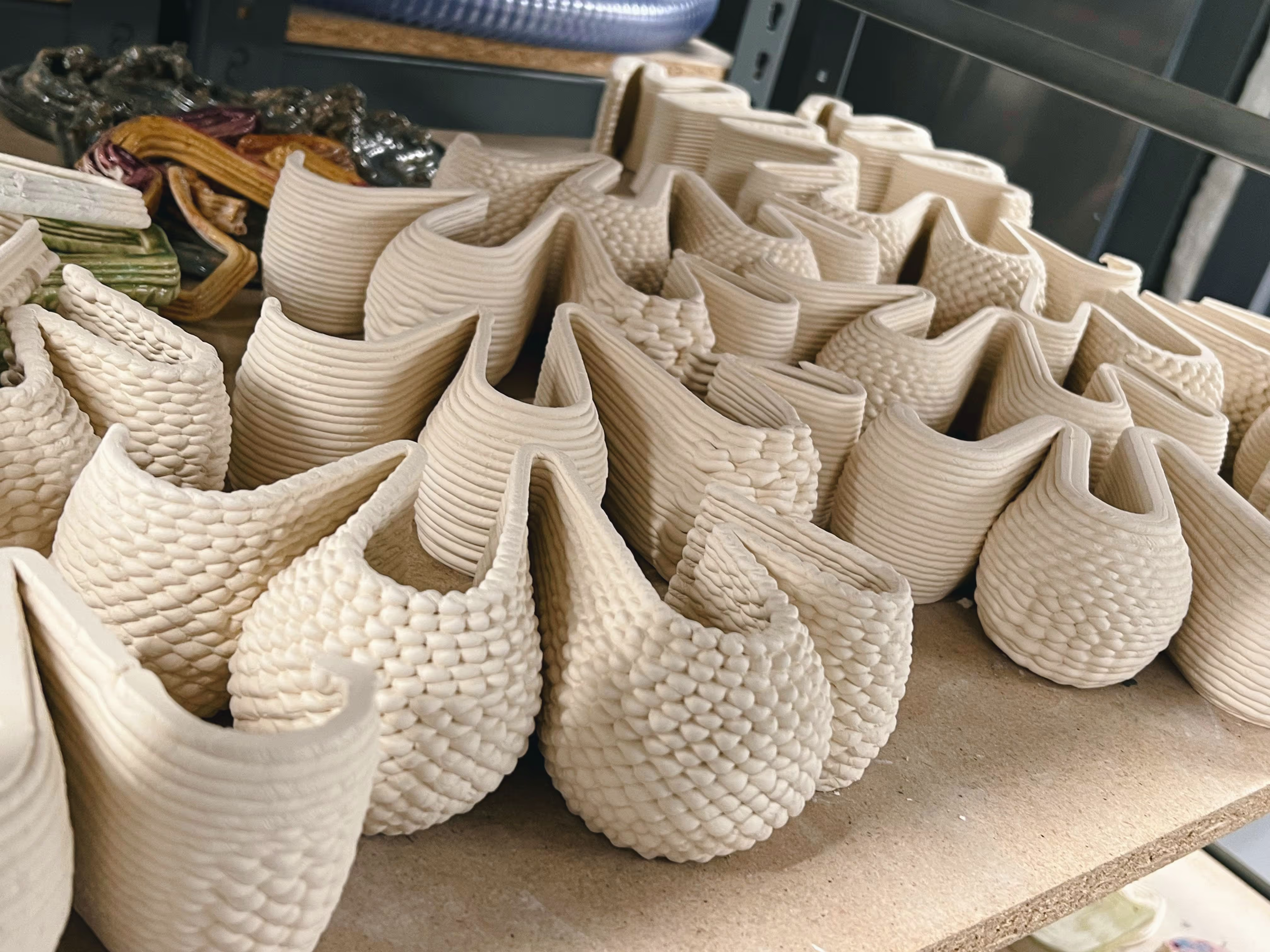
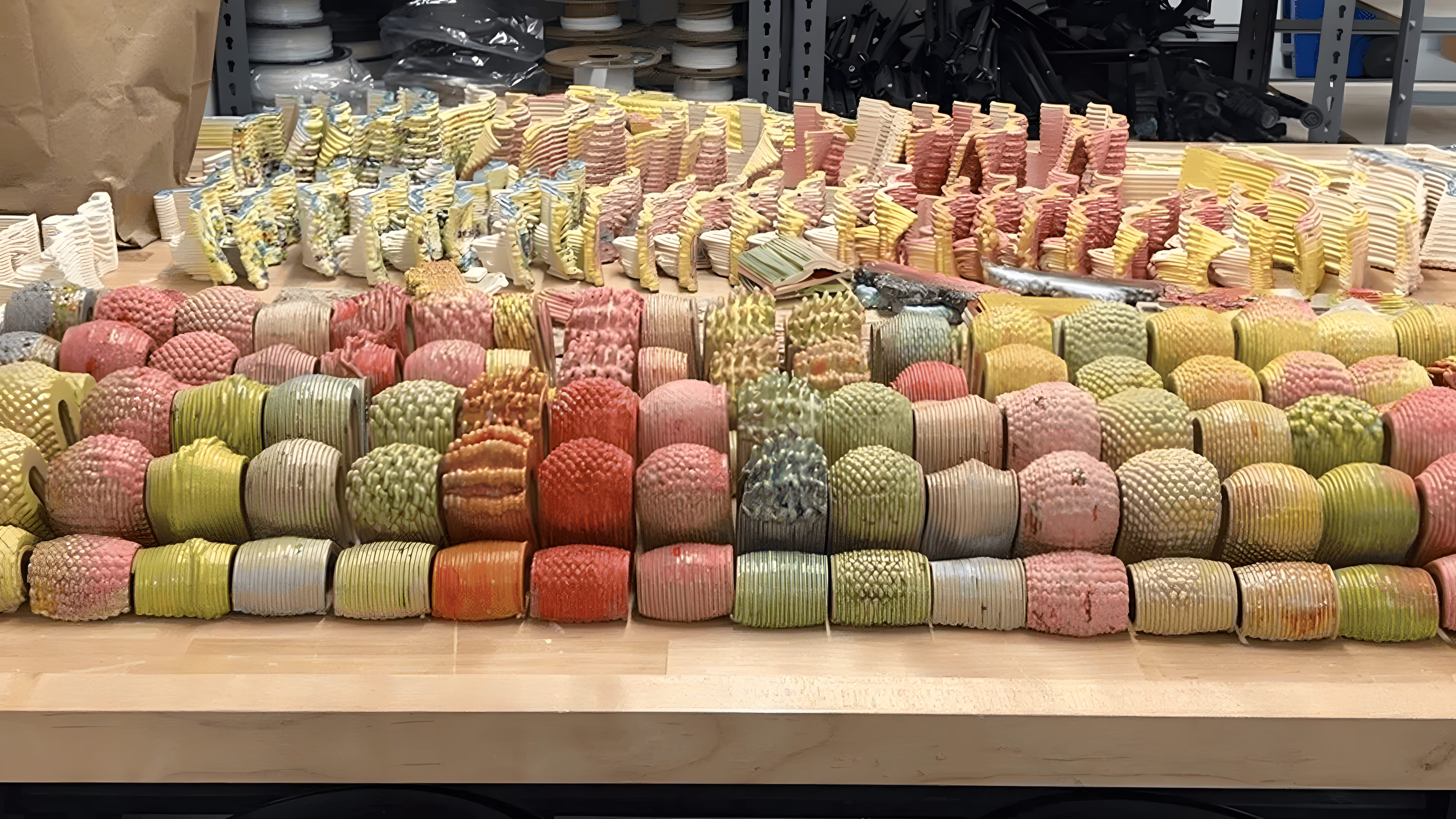
Robotic Clay 3D Printing Process
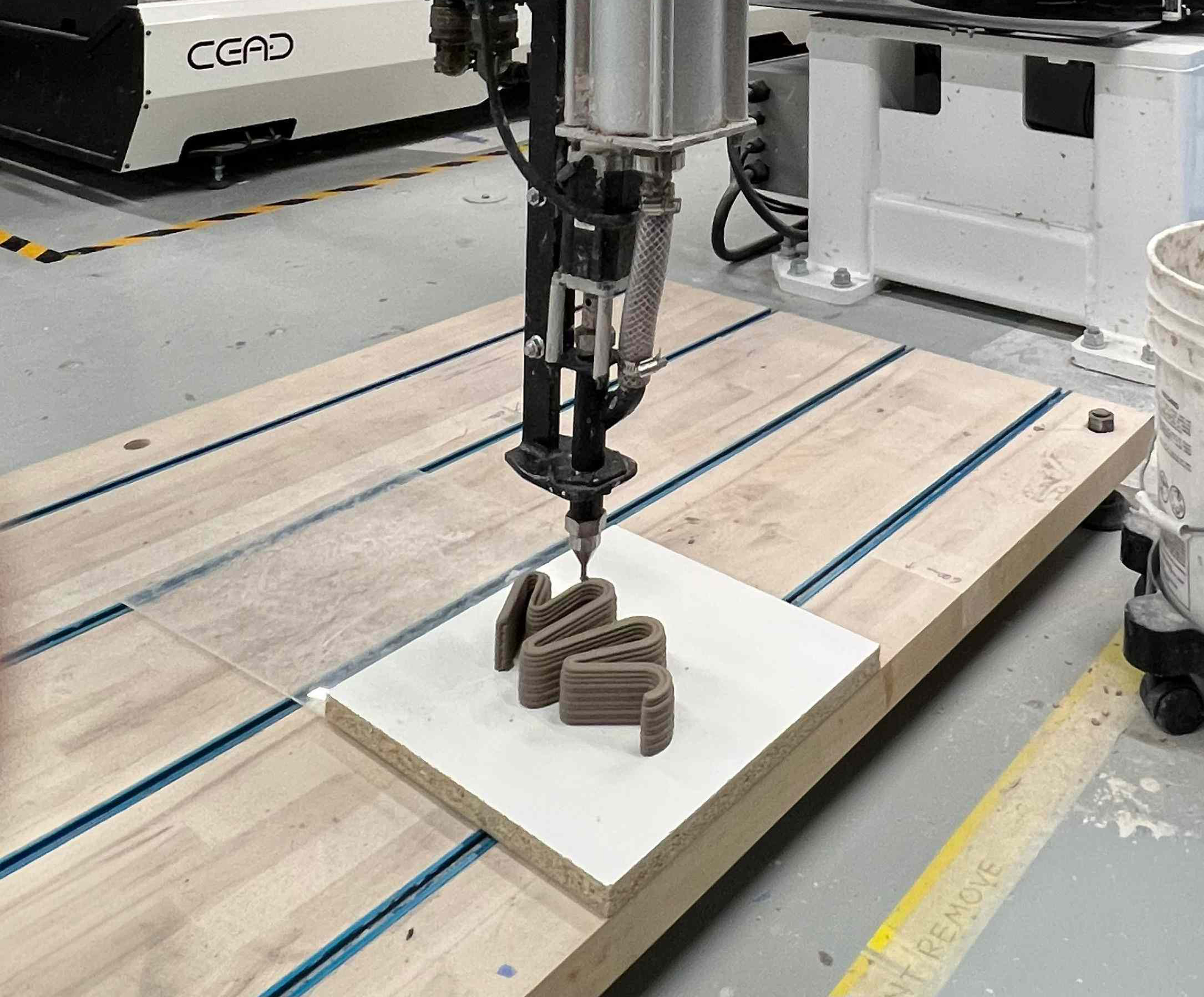
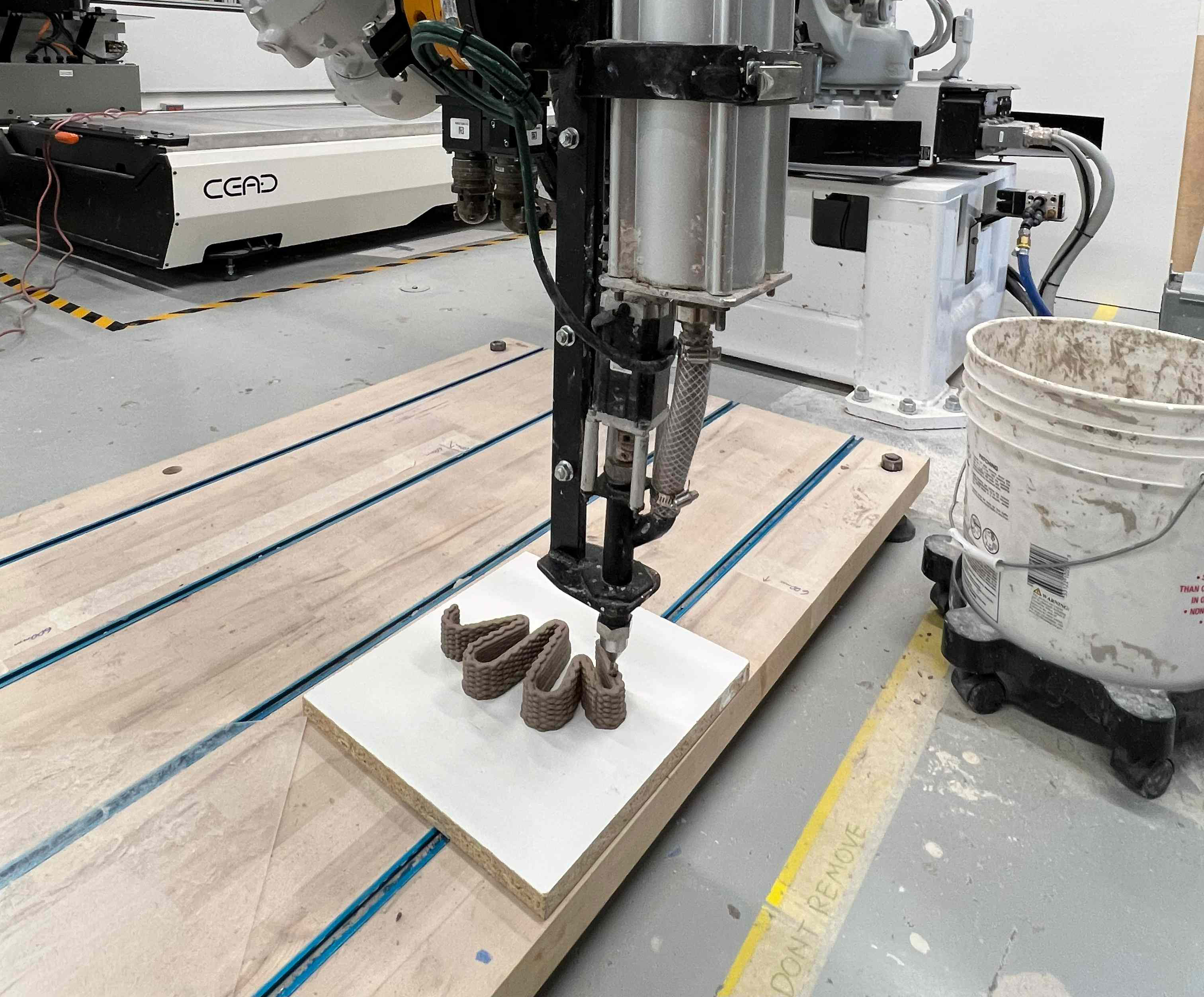
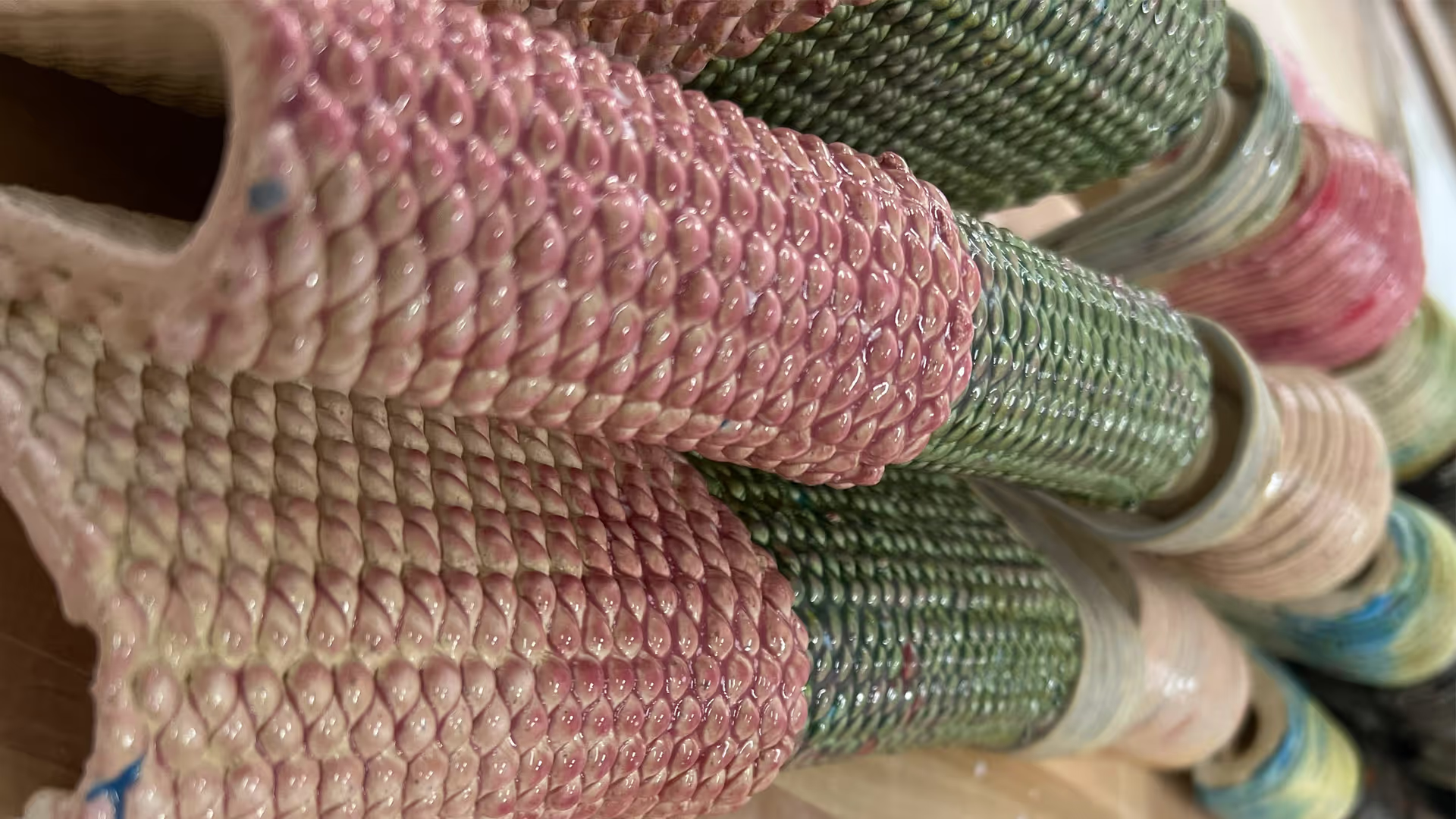
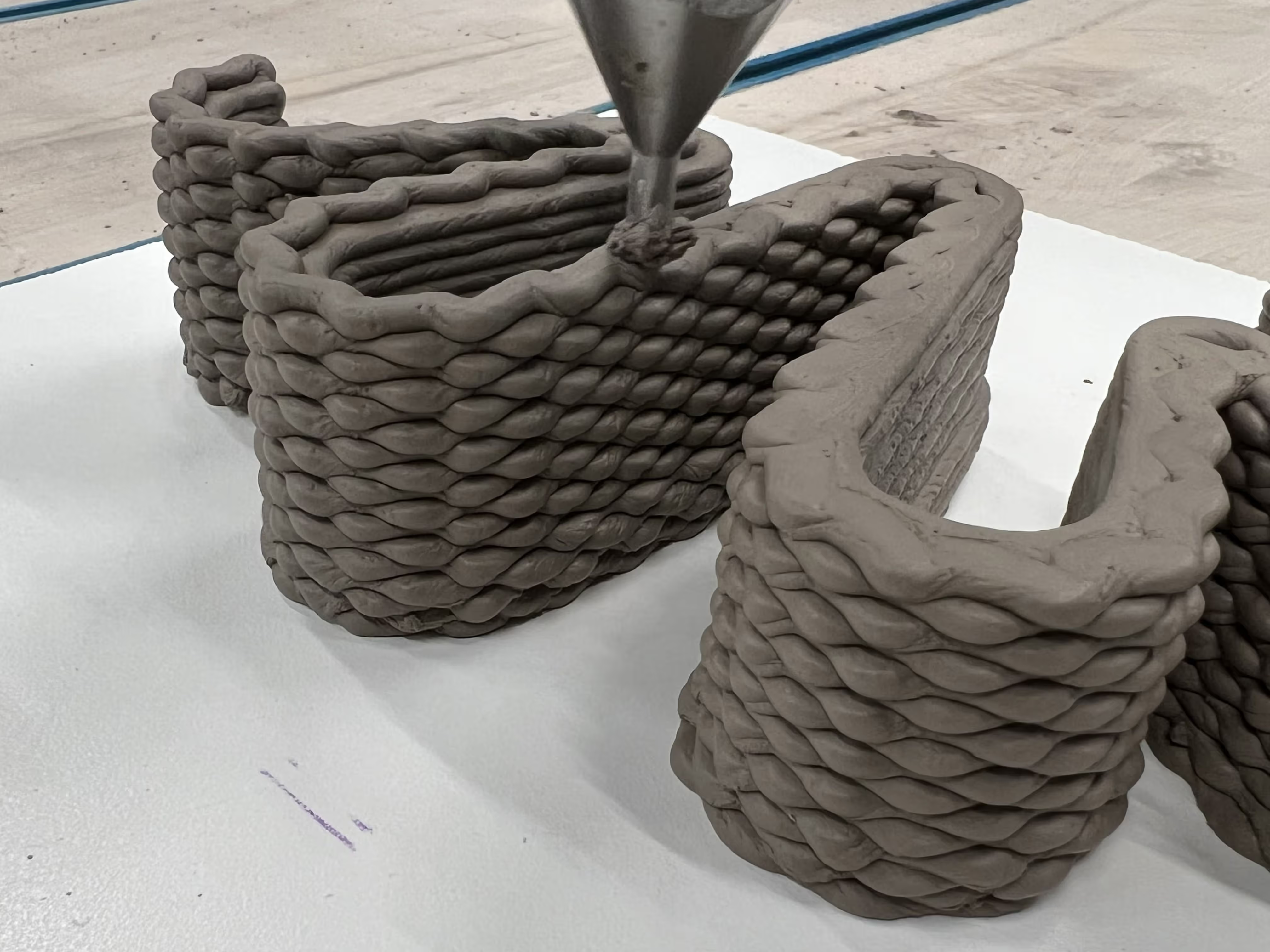
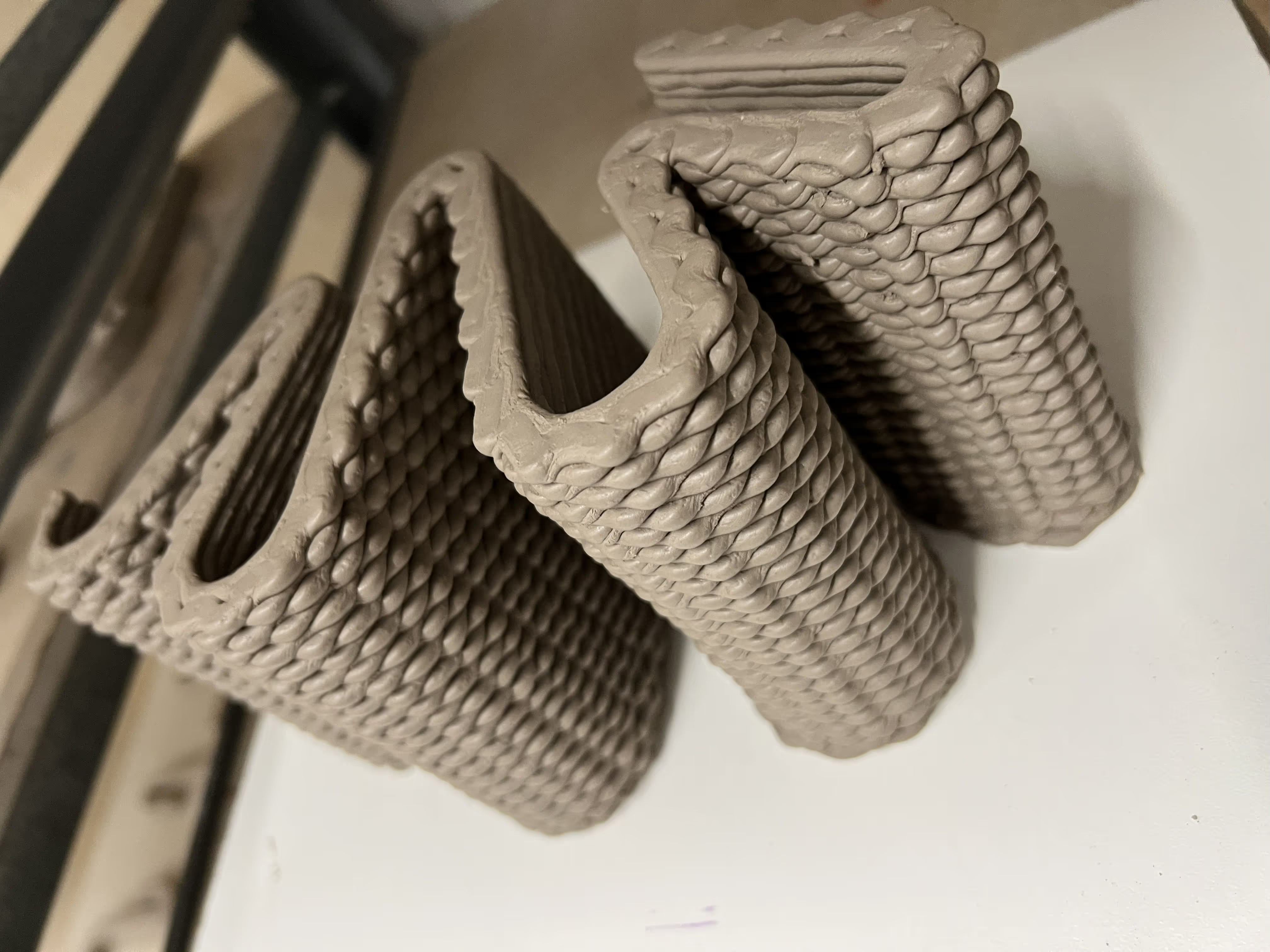
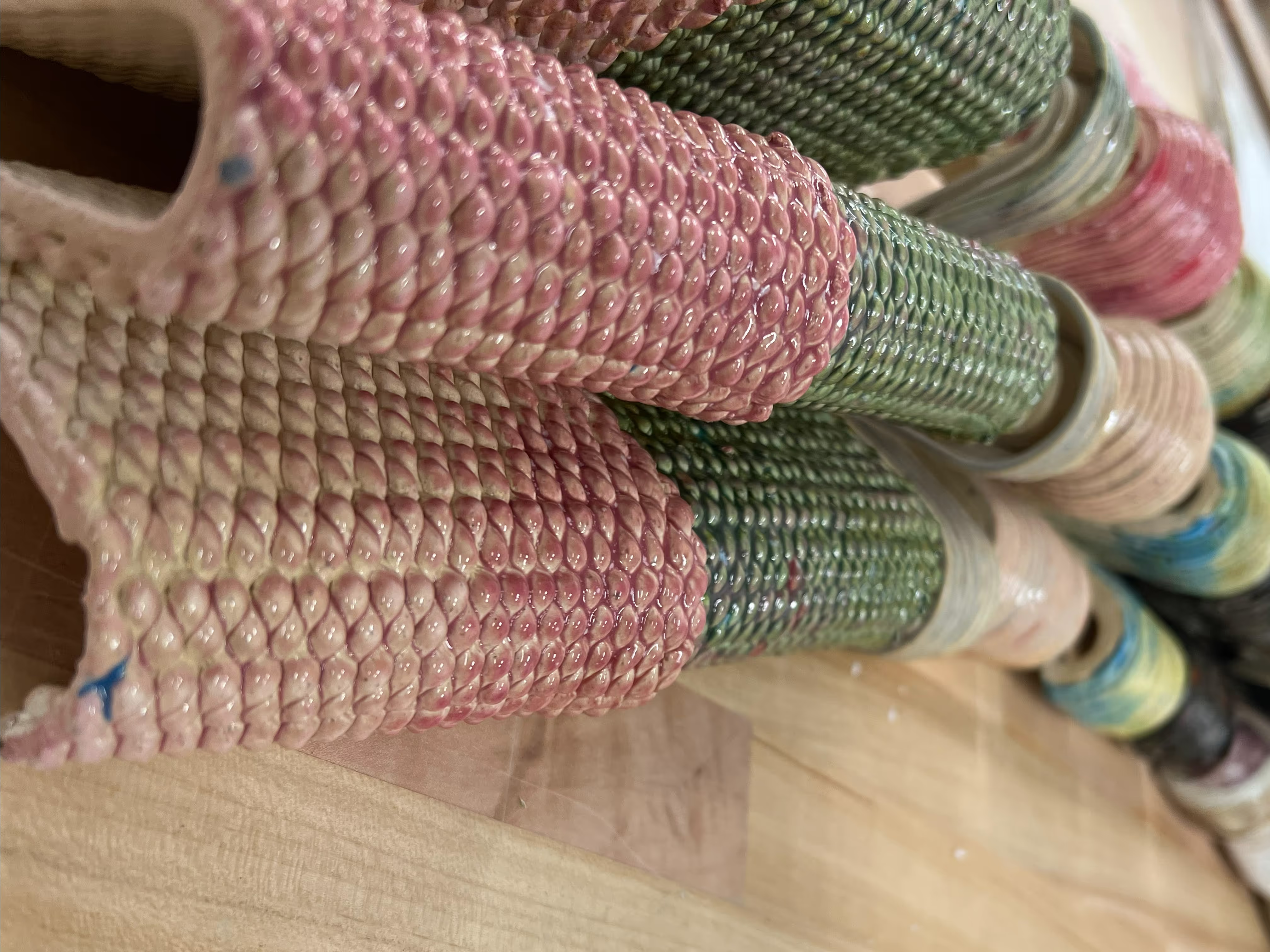
This series of experiments investigates the structural possibilities of clay through robotic 3D-printing. Building on geometric principles derived from historical precedents, the team developed a family of folded and woven morphologies that test how clay can perform as both a material and a structural system. By iteratively printing, observing, and refining these forms, the research explores how surface pattern, deposition logic, and curvature influence the strength and behavior of the clay elements. These studies not only expand the expressive potential of the material, but also open new directions for future clay-based architectural components.
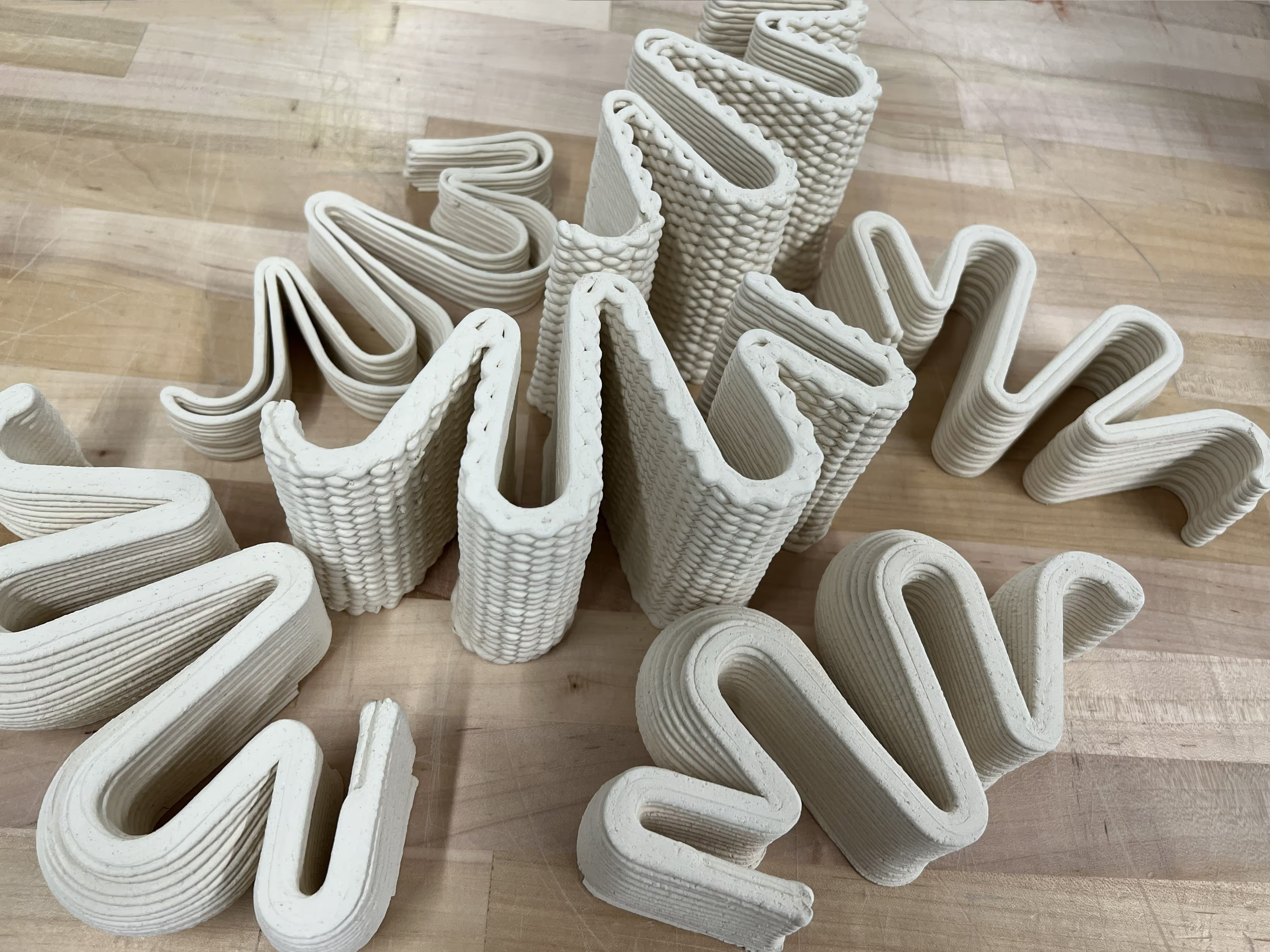
Glazing and firing completed
.avif)


Assembly Drawing

.jpg)