
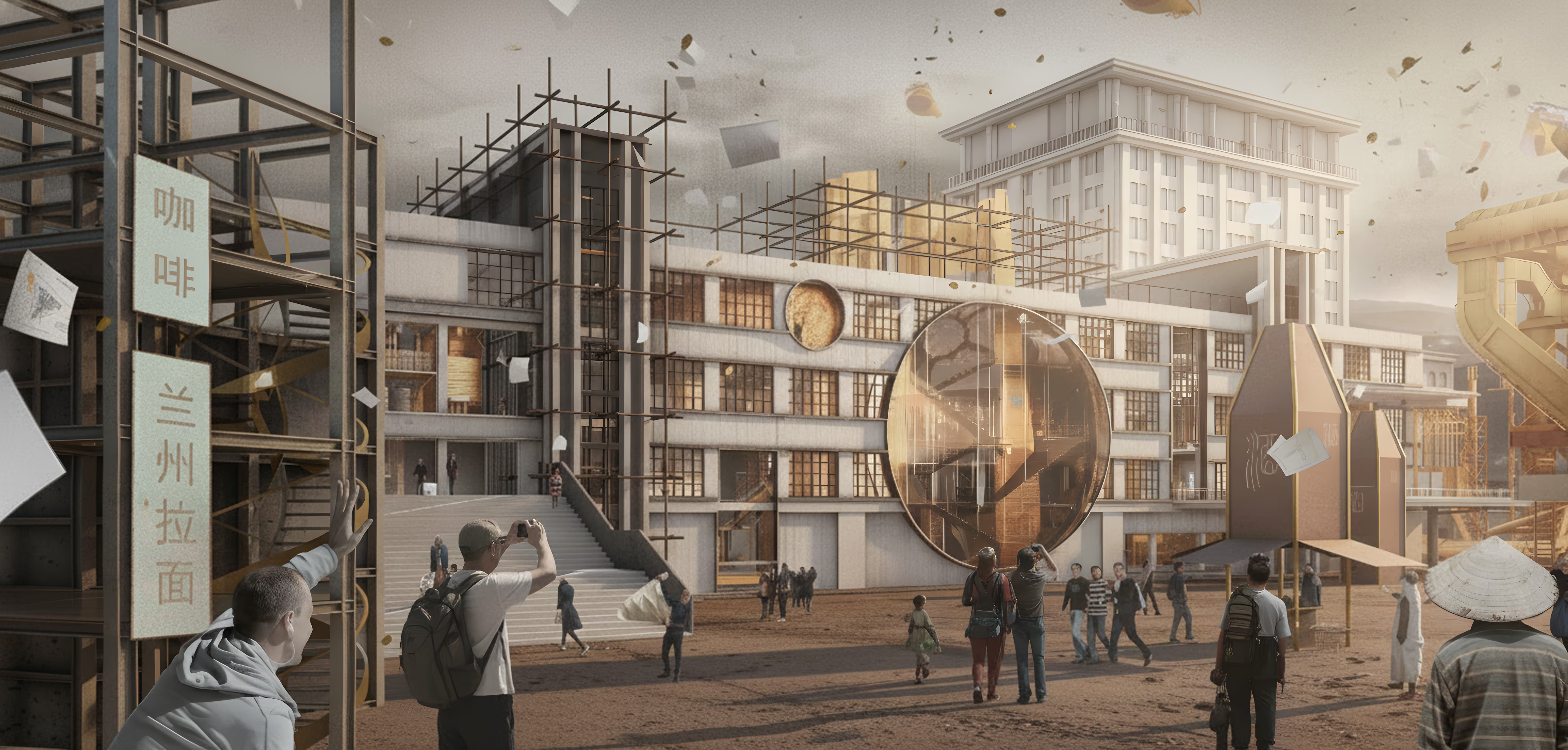
Yumen Biennale: City in Rebirth

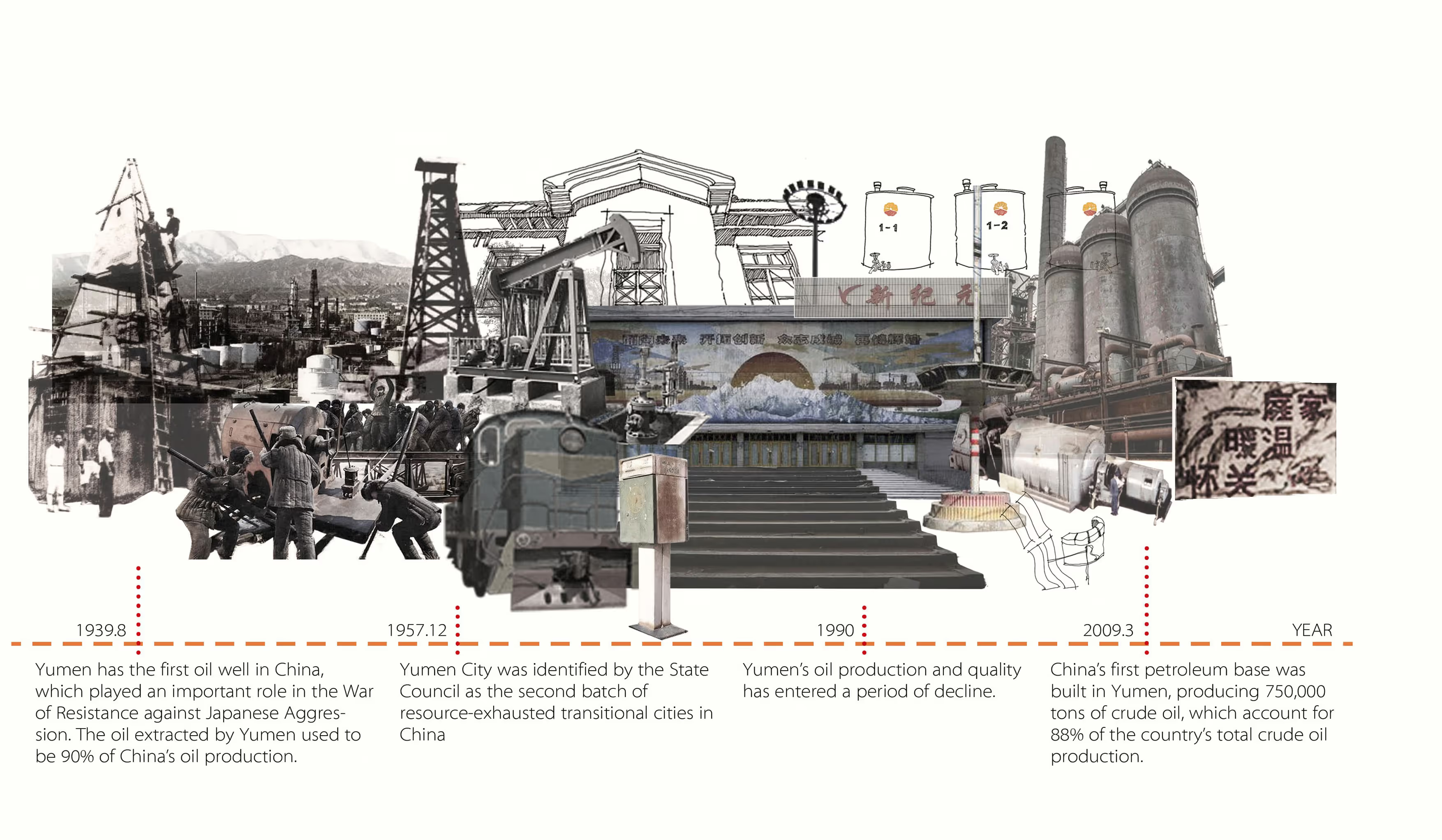
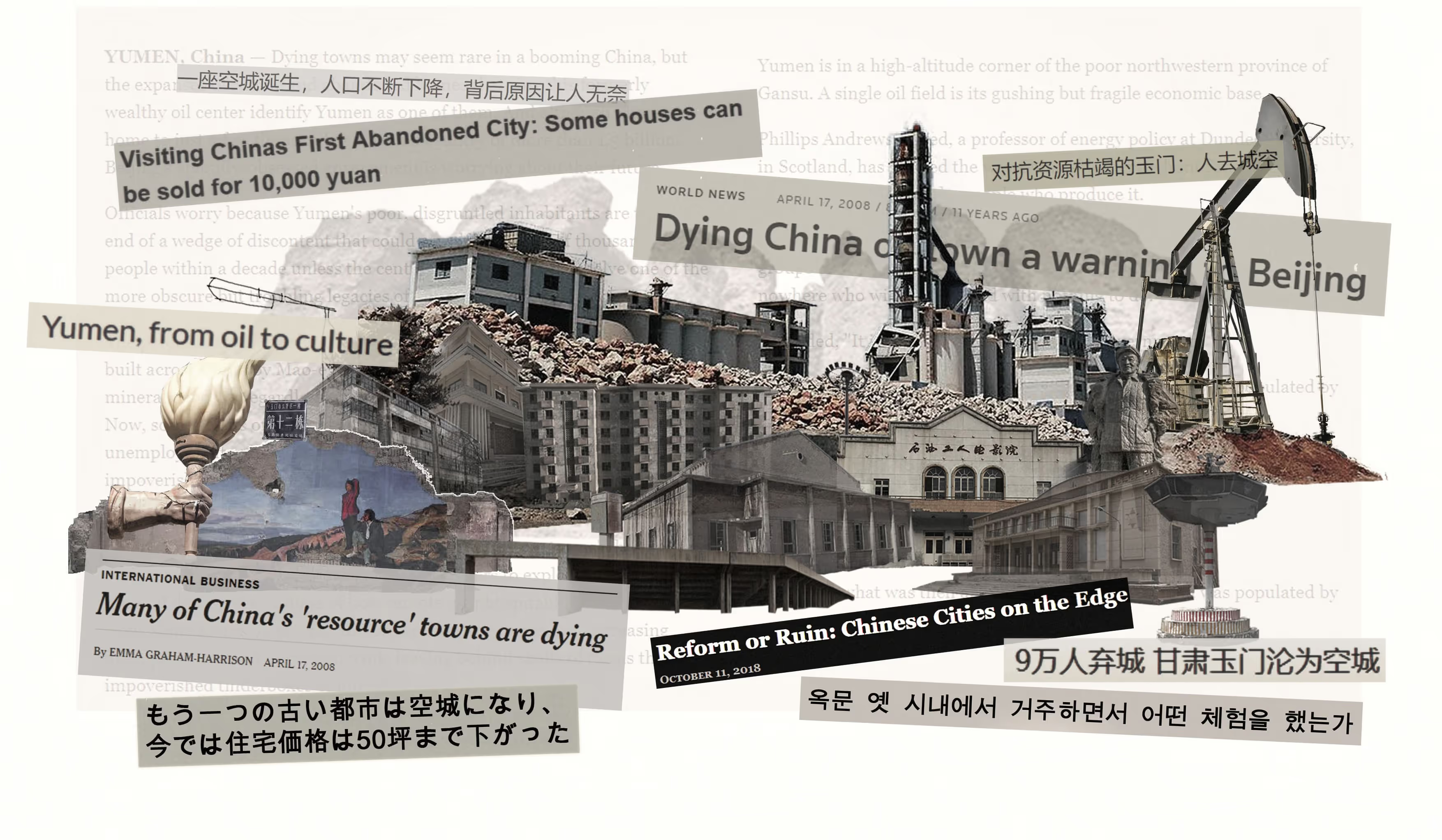
Yumen, located in Gansu Province, is a city that once played a pivotal role in China’s industrial development. In the 1960s, its abundant oil resources transformed it from a small desert town into the first major oil base of the People’s Republic of China, bringing with it complete urban facilities and rapid economic growth.
However, in the early 21st century, the national oil company relocated, leaving behind large abandoned factories and declining job opportunities. Younger generations moved to larger cities, while the remaining elderly residents stayed with their memories of Yumen’s former prosperity.
Rich in history, Yumen still preserves a remarkable collection of buildings constructed with assistance from the Soviet Union in the 1950s. These structures have aged with time, and the traces of industry—its steel frames, machinery, and urban textures—capture the city’s unique identity. Yumen’s old town stands today as a living museum, a place that once powered China’s early industrial rise and now awaits new possibilities for renewal.
Yumen and the Silk Road
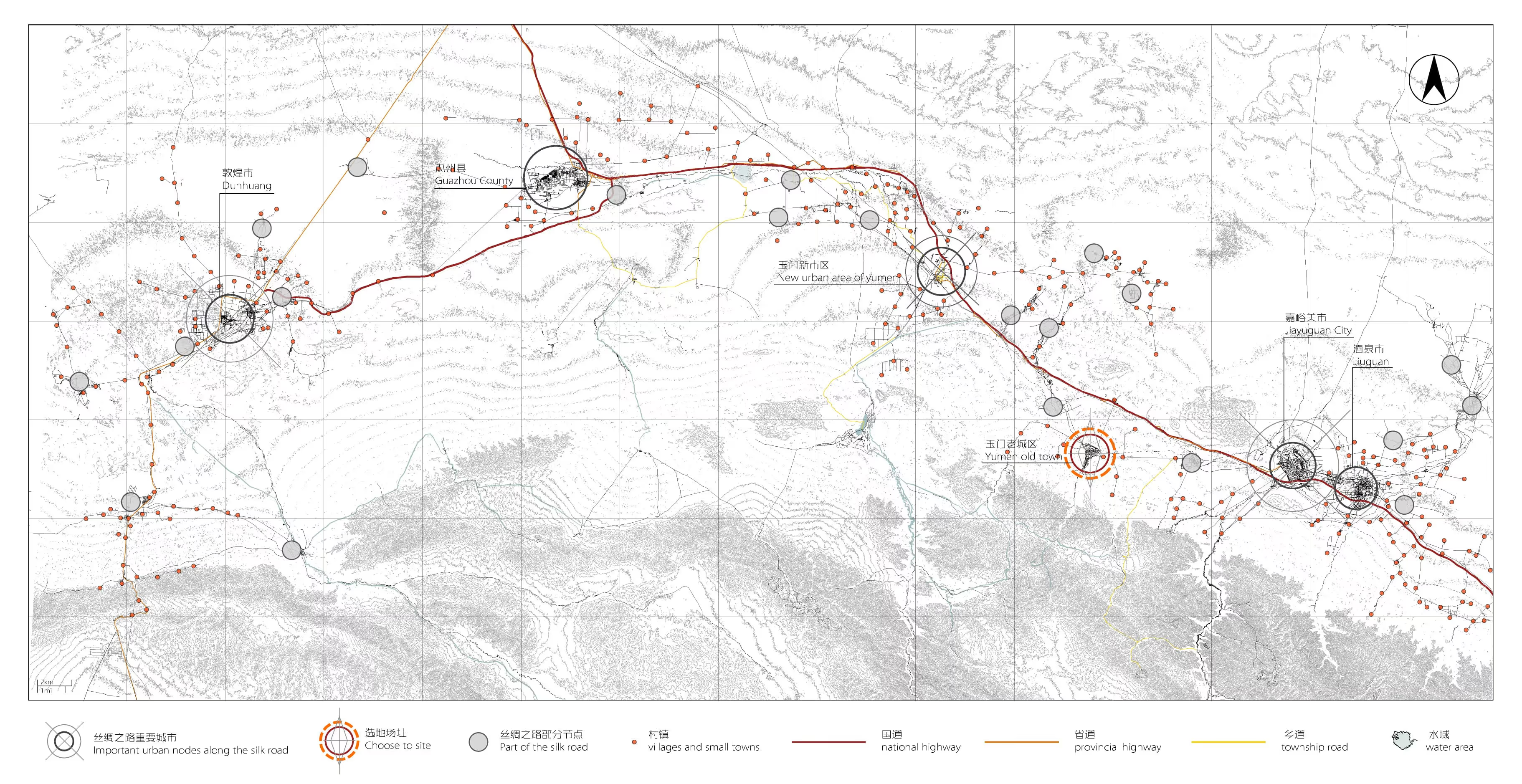
Yumen lies along the historic Silk Road, a critical corridor that once connected China with Central Asia and Europe. Its strategic position made it an important cultural and logistical node, supporting trade, migration, and the early development of western China.
The city’s industrial rise in the 20th century layered new identities onto this ancient route. By situating the project within this broader geographic and cultural network, the design reinterprets Yumen not as an isolated abandoned town, but as a vital link in a centuries-long history of exchange and renewal.
The Rise and Fall of Yumen
The workflow integrates computational design with robotic fabrication: converting image data into line fields, planning continuous toolpaths, validating reachability in simulation, and producing a physical drawing through precise robotic motion.
Design Strategy
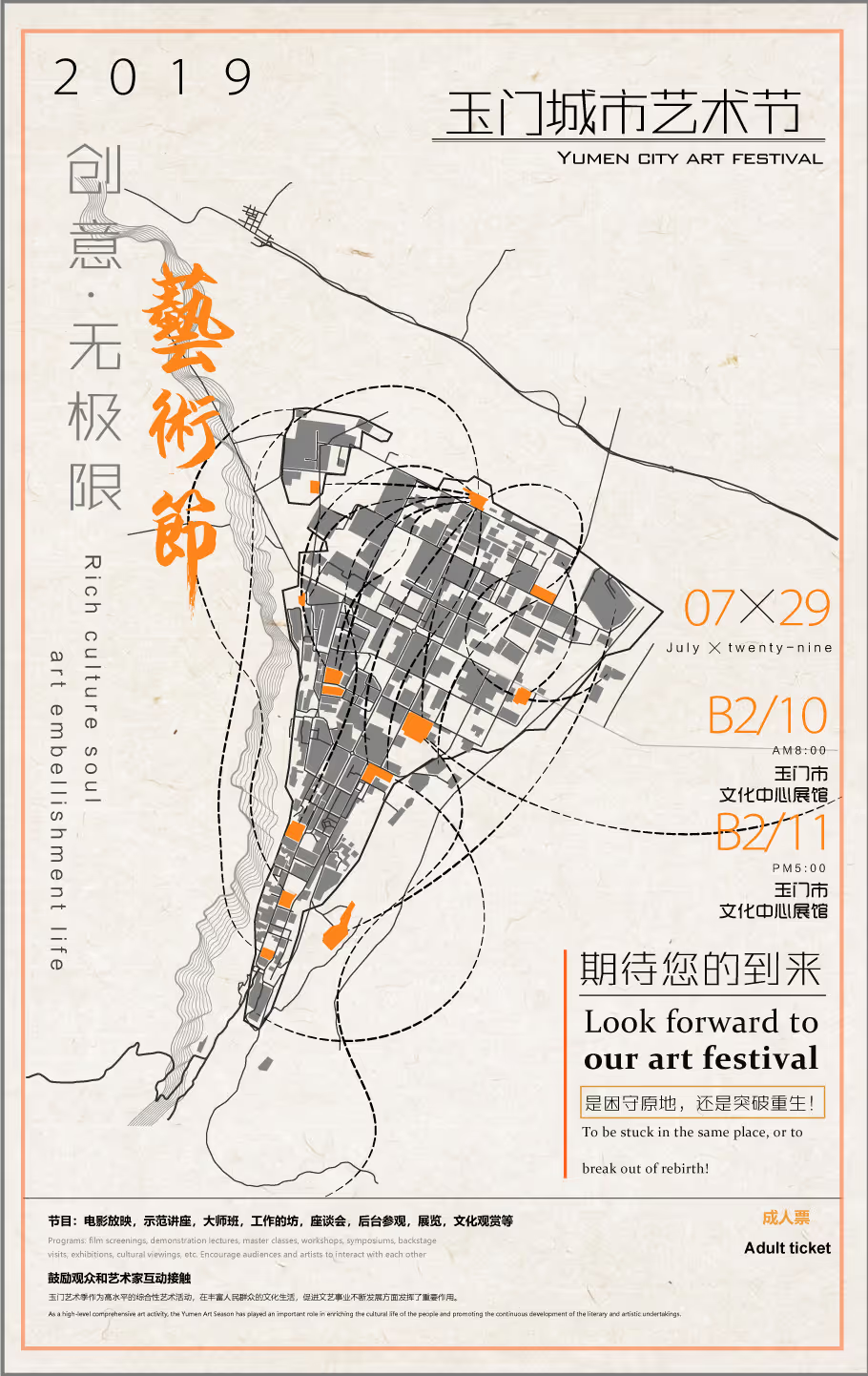
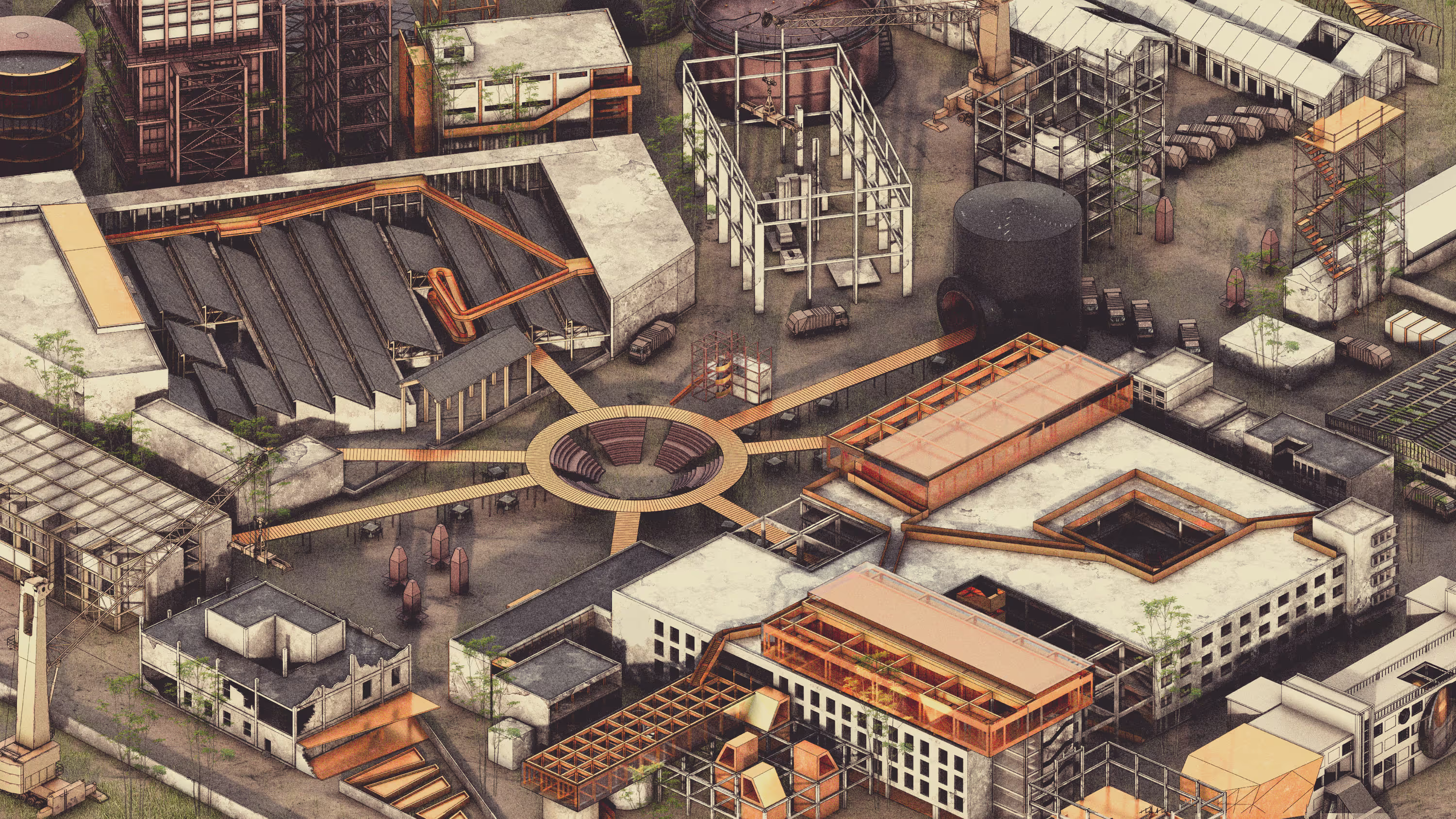
Instead of following the council’s plan for large-scale demolition, the project adopts a strategy of preservation and incremental renewal. Most of the existing buildings are retained, allowing the historical layers of Yumen to remain visible. This approach recognizes the cultural value of the abandoned oil city and uses its existing fabric as the foundation for transformation.
A series of architectural follies is introduced across the site to activate the unused spaces. These small-scale interventions guide visitors through the fragmented urban landscape and create new points of orientation. Mechanical components from Yumen’s industrial past are repurposed as urban furniture, serving simultaneously as wayfinding elements, information nodes, and public amenities.
Art houses and temporary pavilions are scattered to provide moments of pause between exhibition areas. These structures frame views of the industrial ruins and allow visitors to gradually experience Yumen’s landscape. By emphasizing the rhythm of movement and rest, the project creates an experiential journey that reconnects people with the city’s forgotten spaces.
The introduction of the Yumen Biennale acts as a long-term cultural catalyst for renewal. Rather than imposing commercial redevelopment, the Biennale invites artists to stay, work, and engage with the local community. Through cultural production and creative involvement, the project supports everyday life in Yumen and transforms its industrial memory into a sustained driver for gradual urban regeneration.
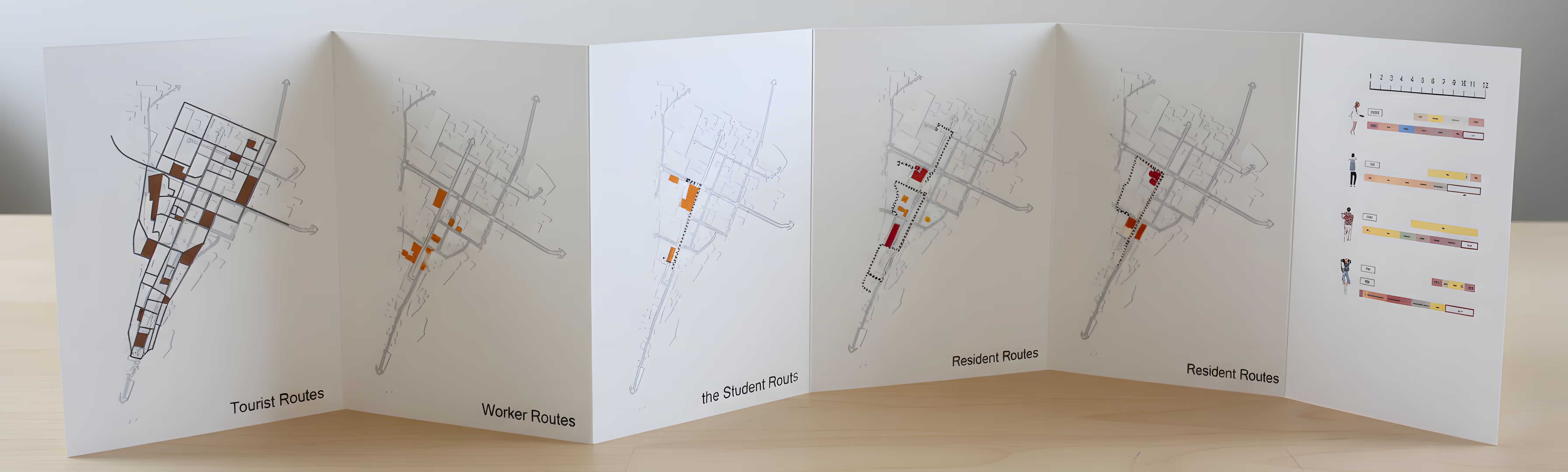
Visualizing movement patterns of tourists, workers, students, and residents to understand daily rhythms of Yumen.
Visions of Yumen
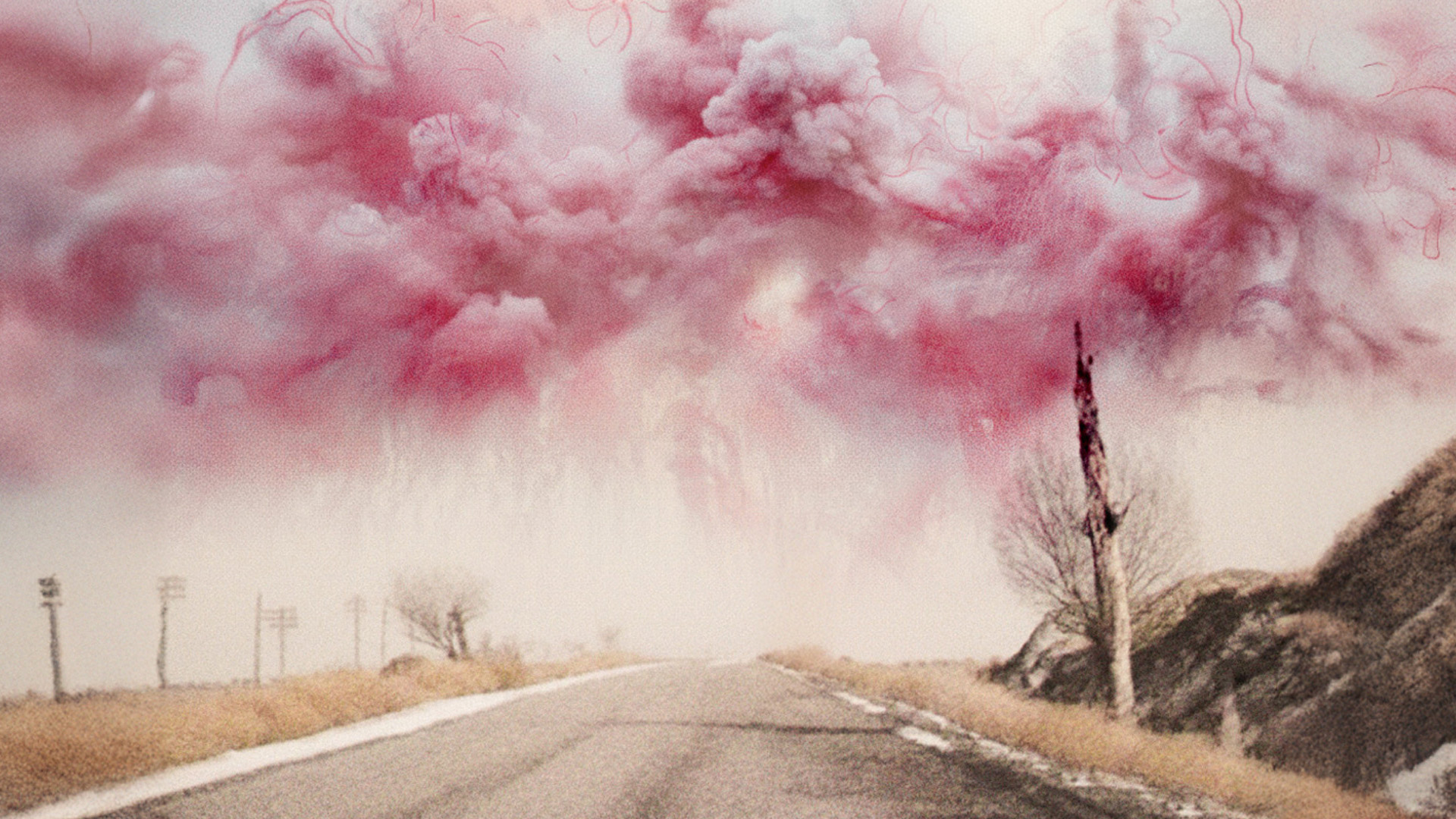
These visual scenes reconstruct Yumen’s past and reimagine its future, blending industrial remnants with surreal landscapes to reveal the emotional layers of the abandoned oil city. Together, they capture the tension between memory, decay, and the possibility of renewal.
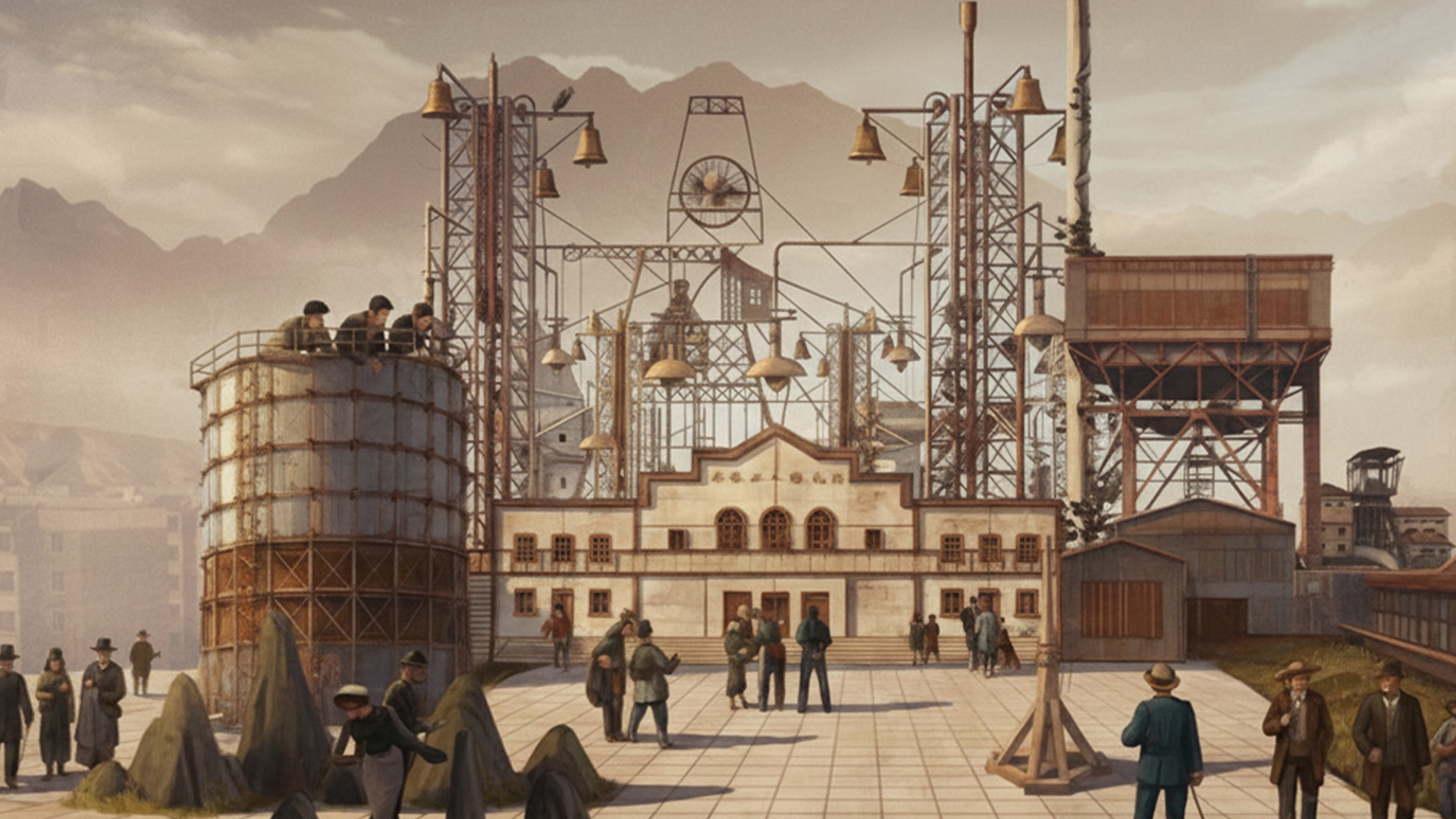
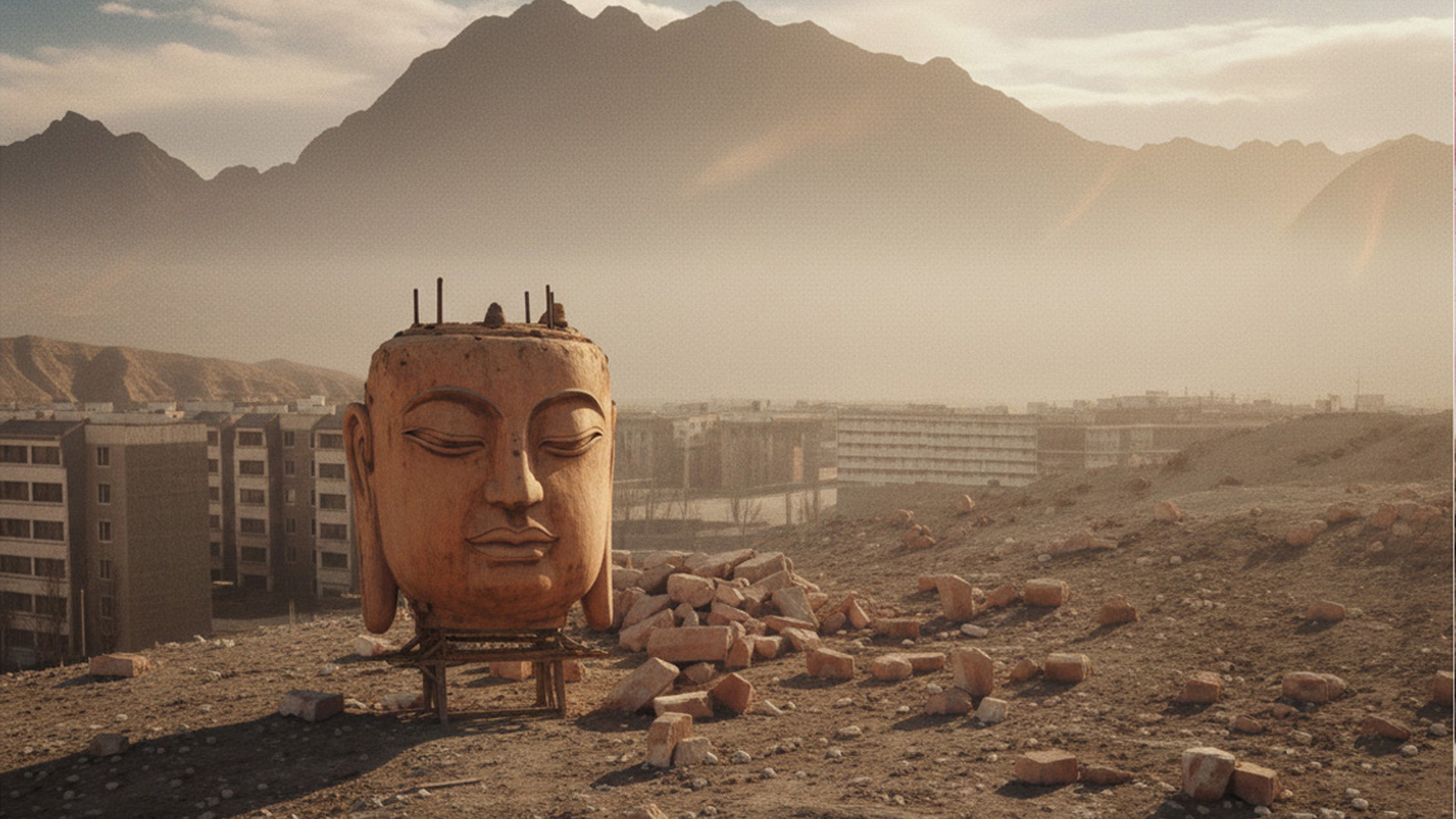


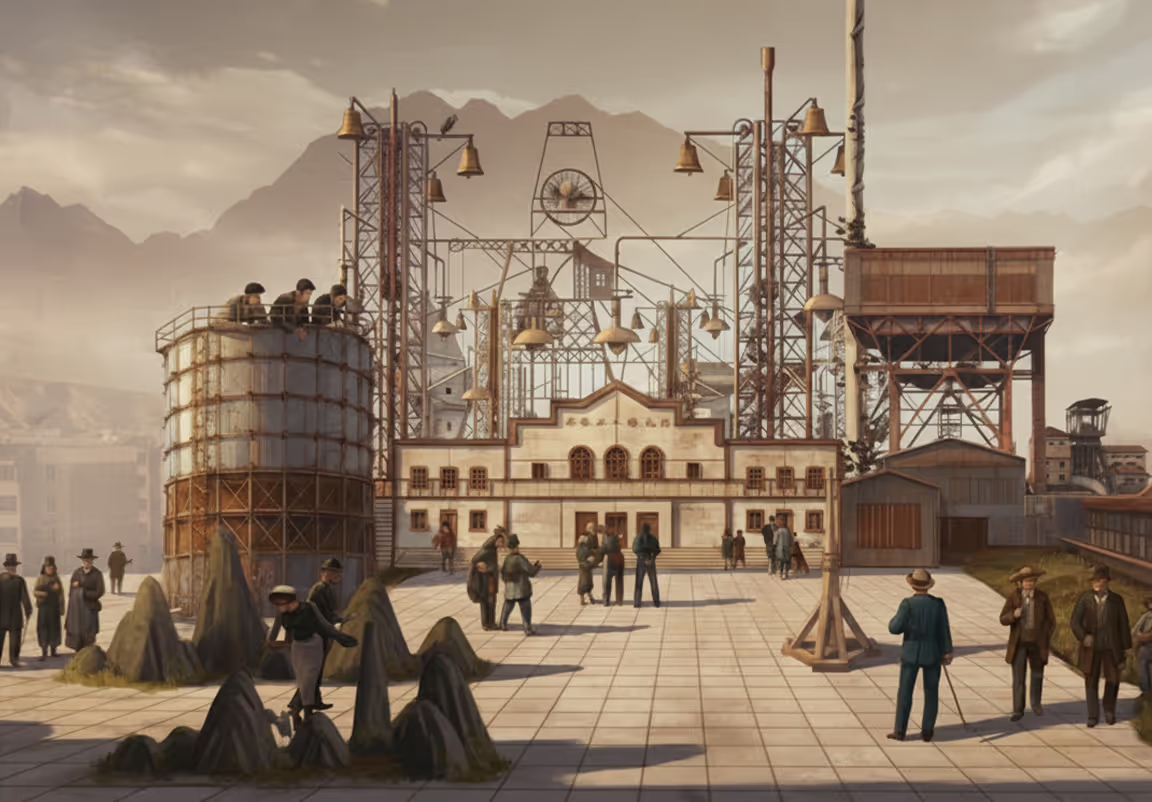
Reimagining Yumen’s industrial ruins as a civic ground for gathering and renewal.

A surreal journey through Yumen’s deserted landscape and fading memories.
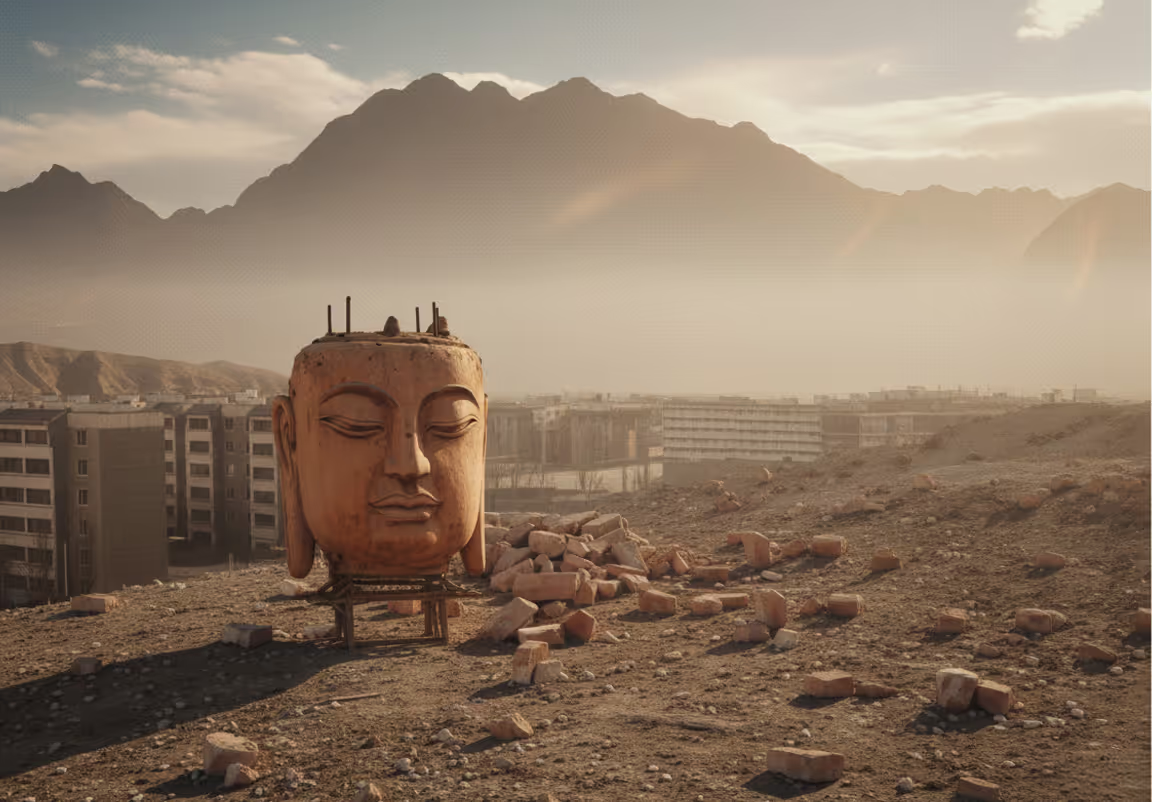
Fragments of culture left standing in a city shaped by time and abandonment.
Urban Renewal Framework of Yumen
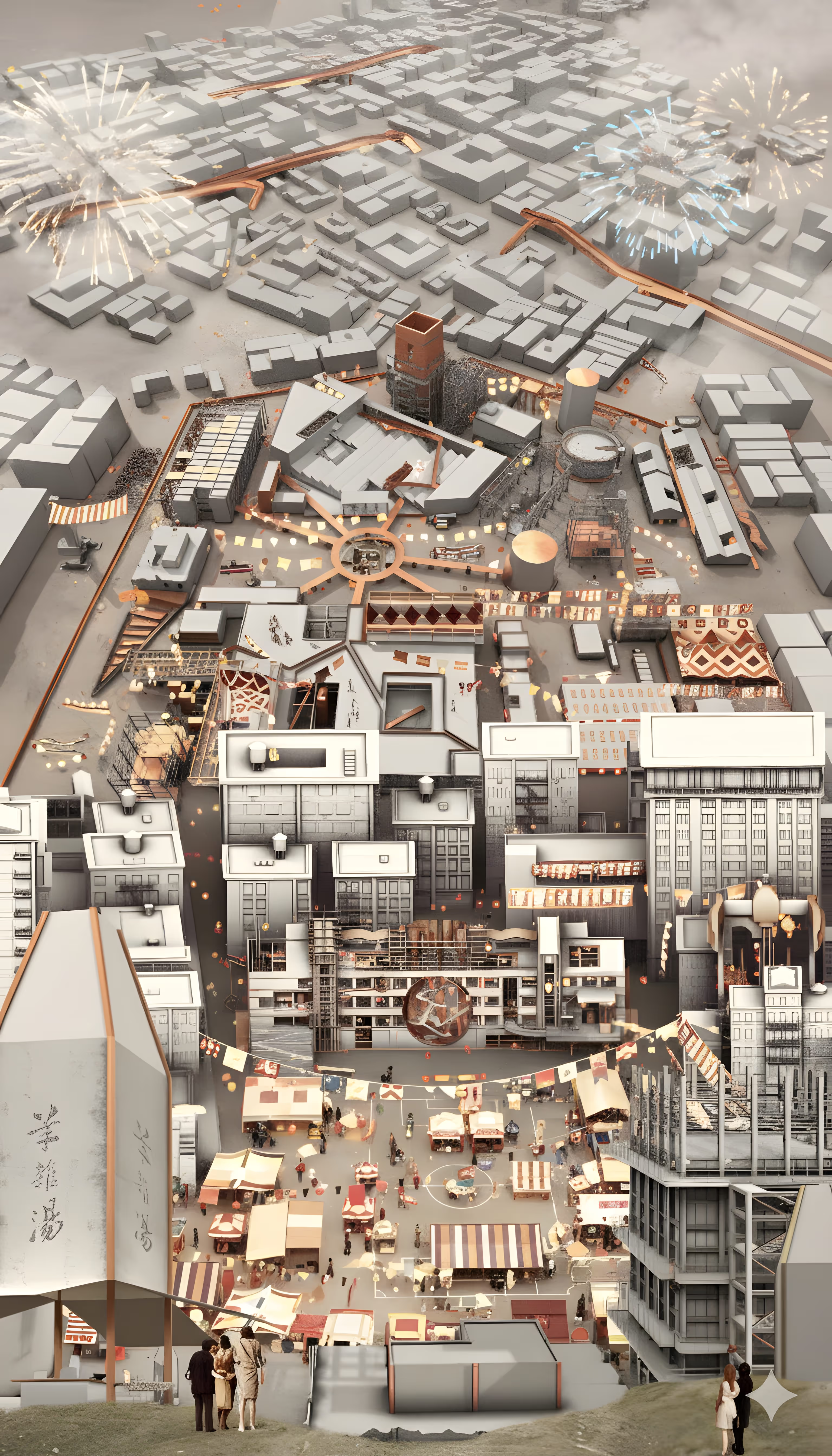
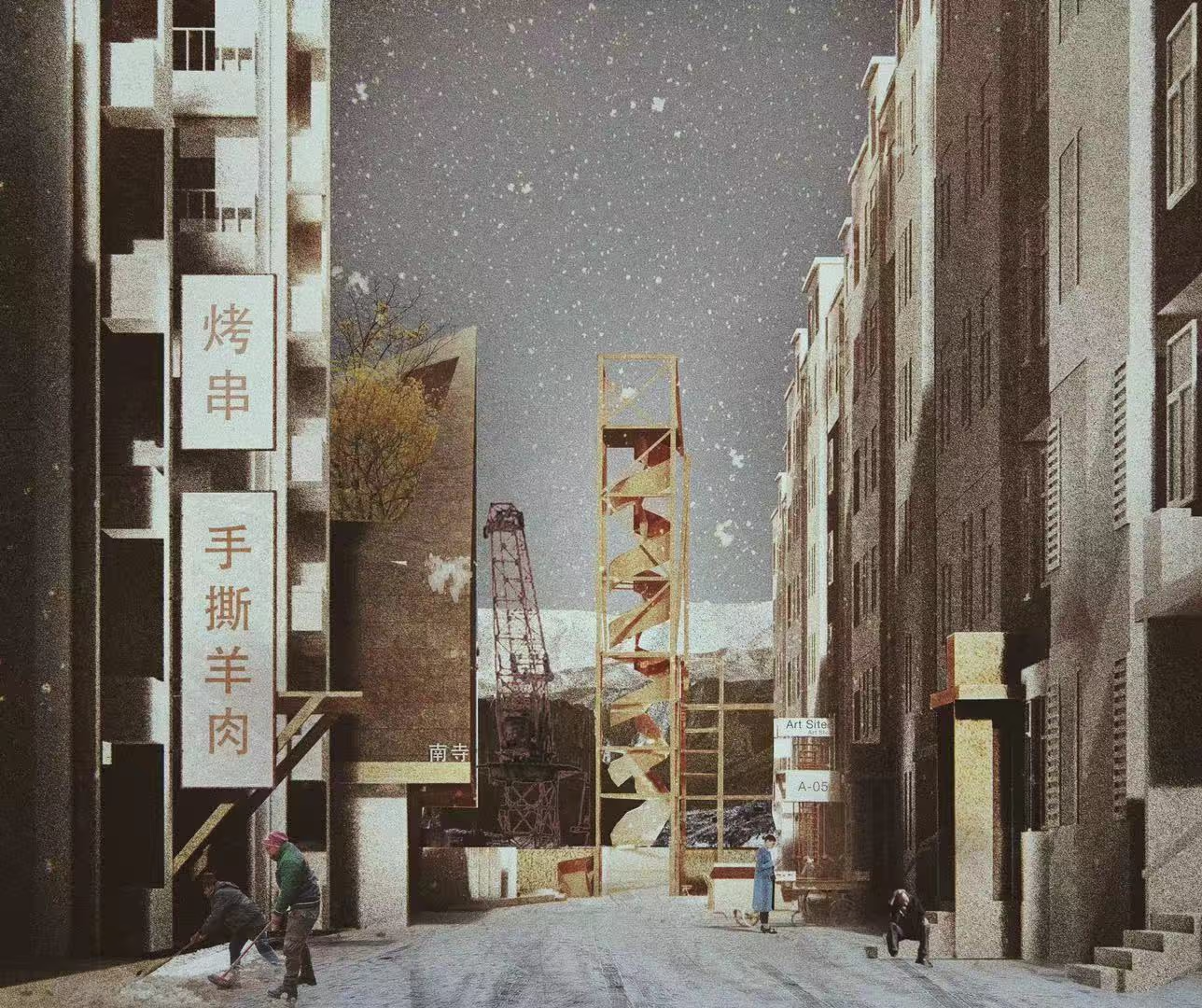
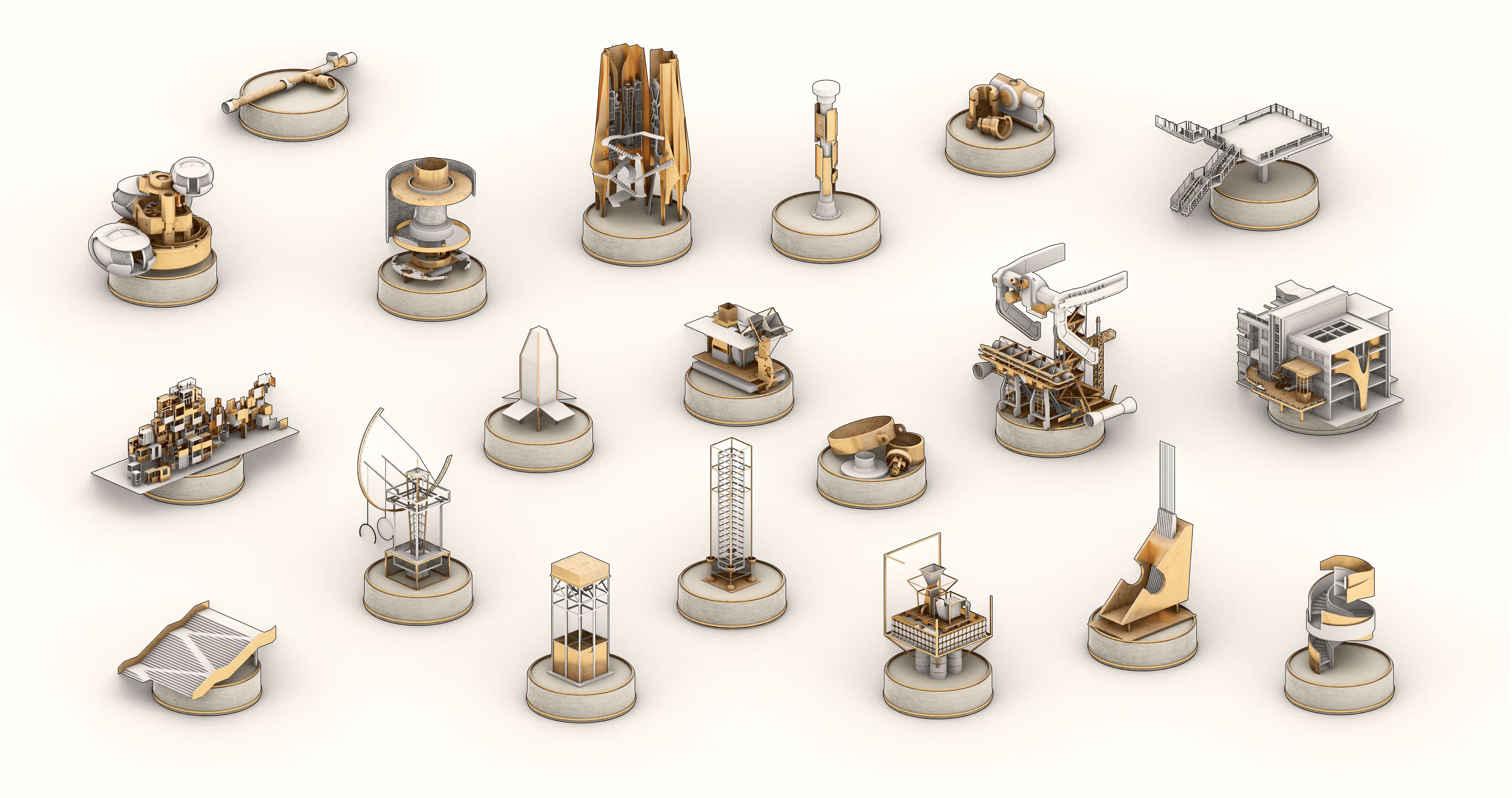
This page presents Yumen’s renewal strategy across three scales: a reimagined urban core, street-level interventions that reconnect daily life, and a system of small architectural follies that form the project’s spatial language. Together, these elements reinterpret the city’s industrial memory and guide its gradual revitalization.
Museum Transformation Process
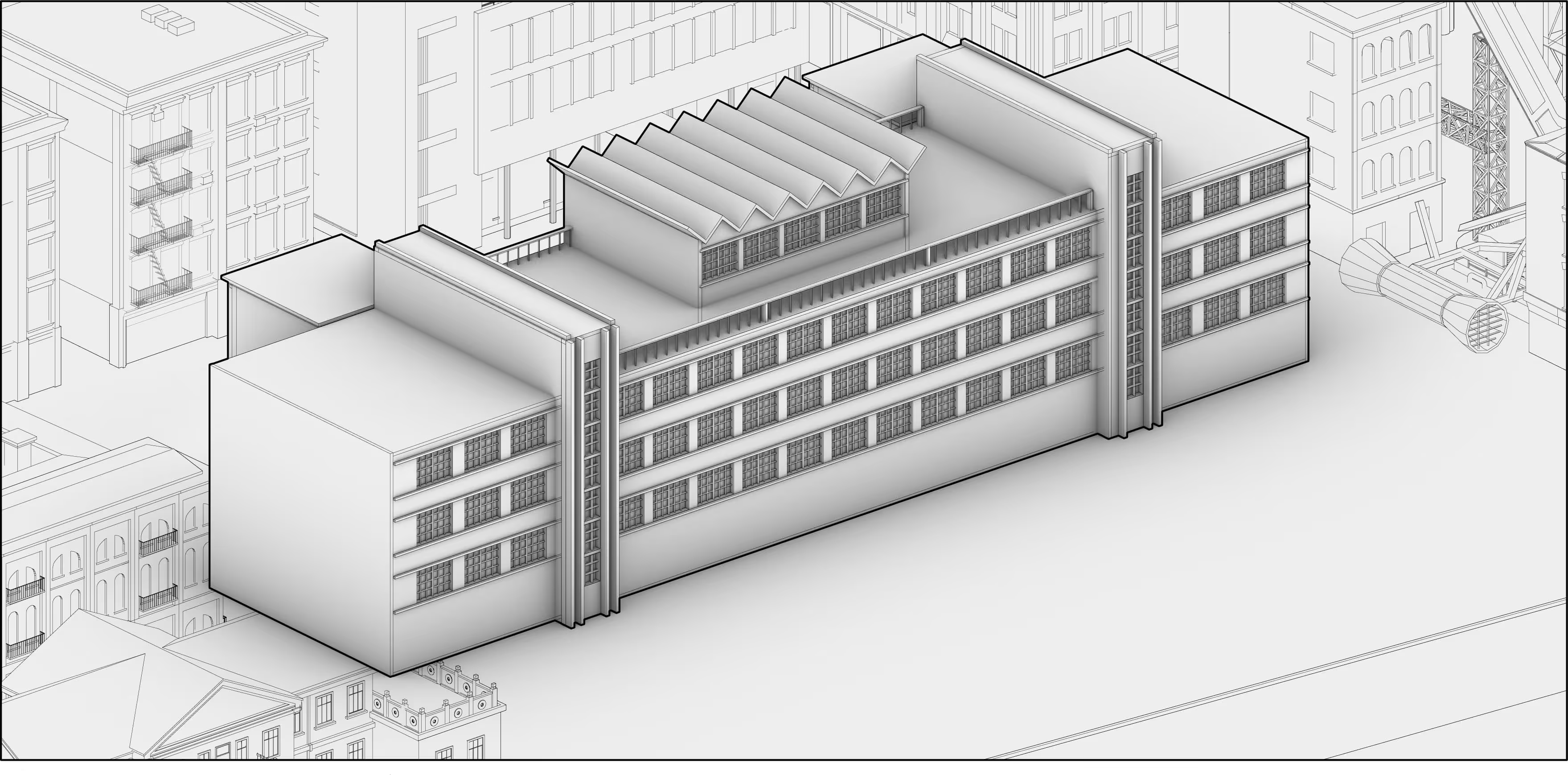
Existing Condition
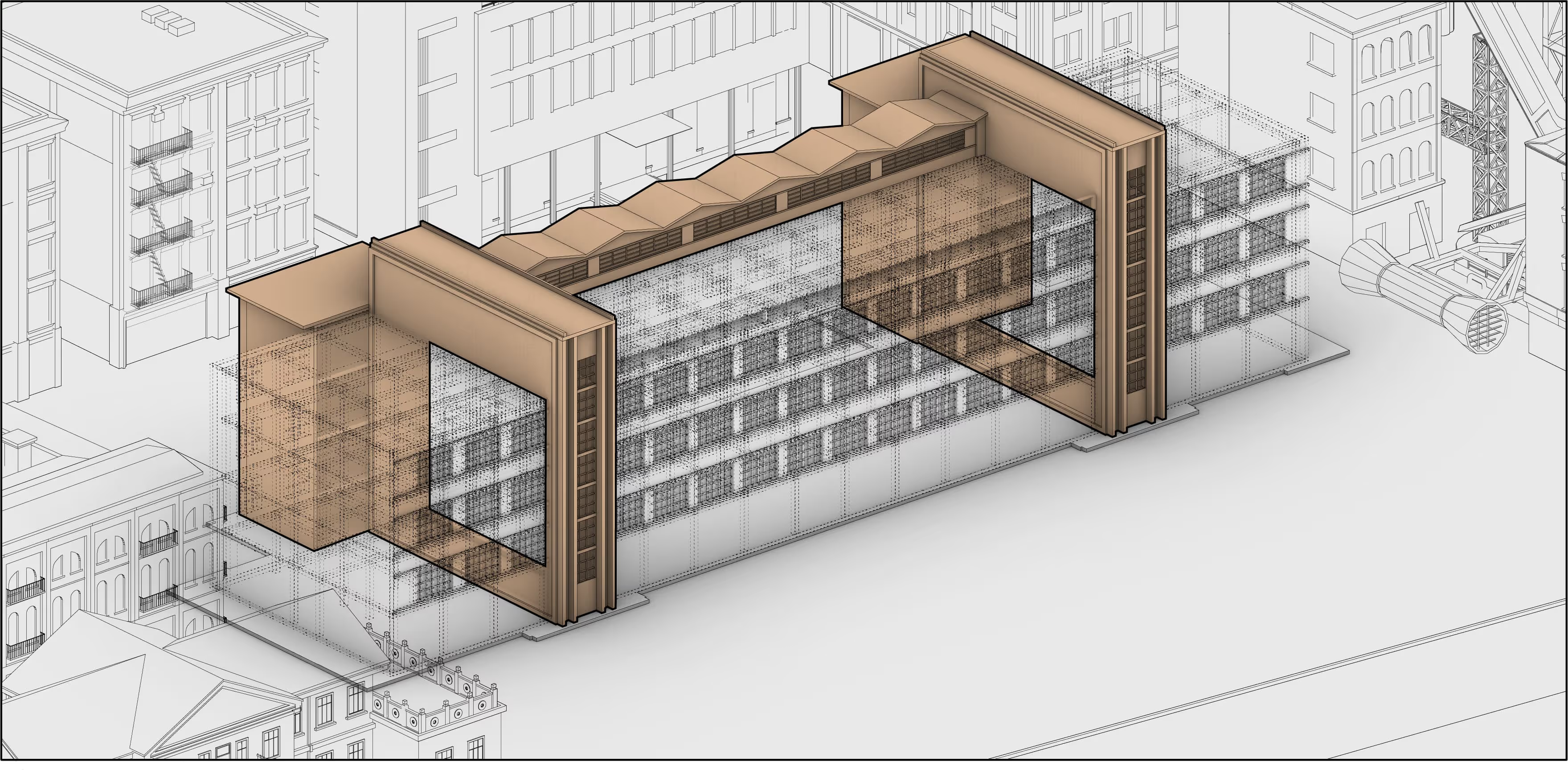
Structural Exposure & Reconfiguration
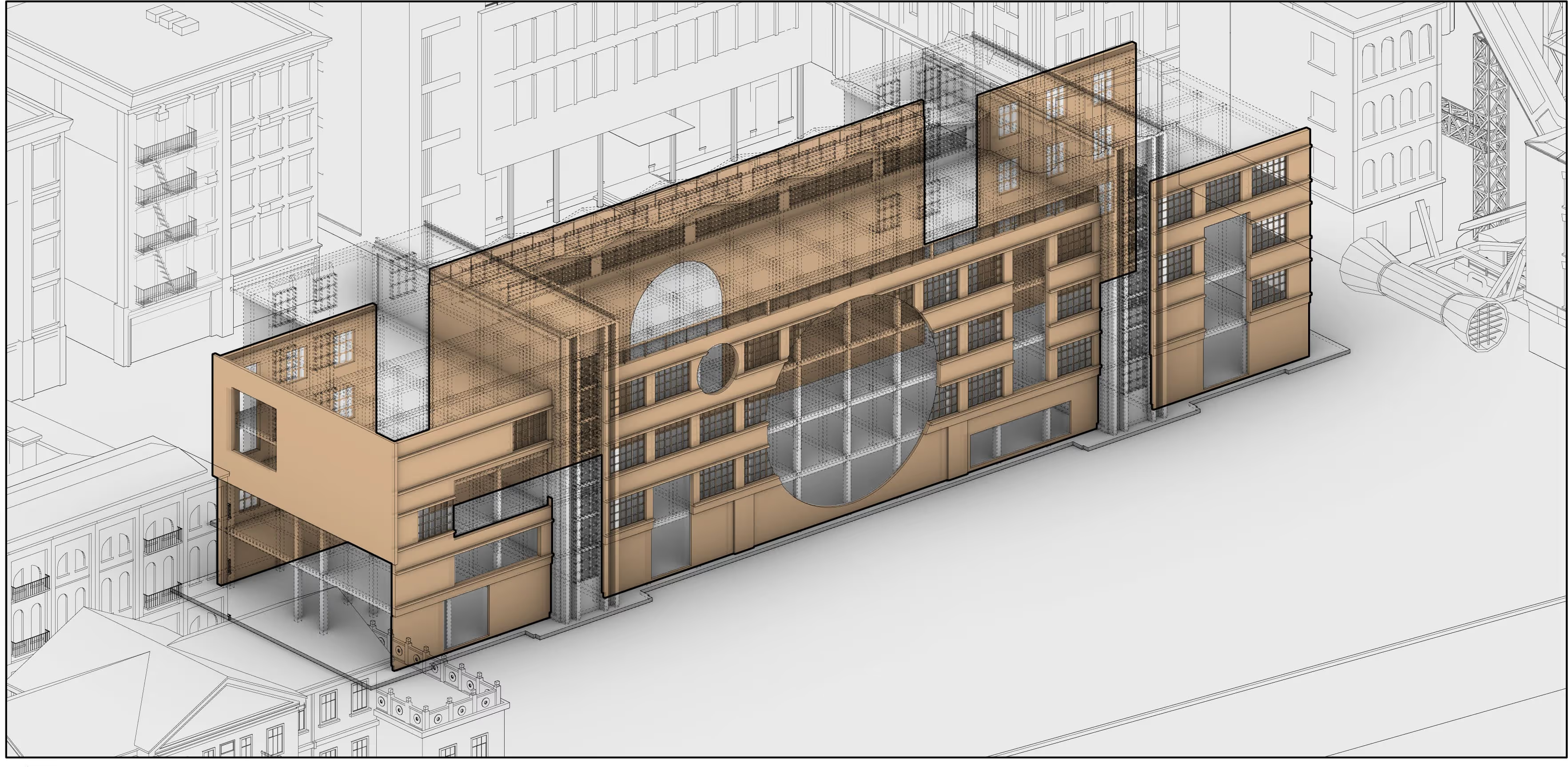
Wall System Renovation
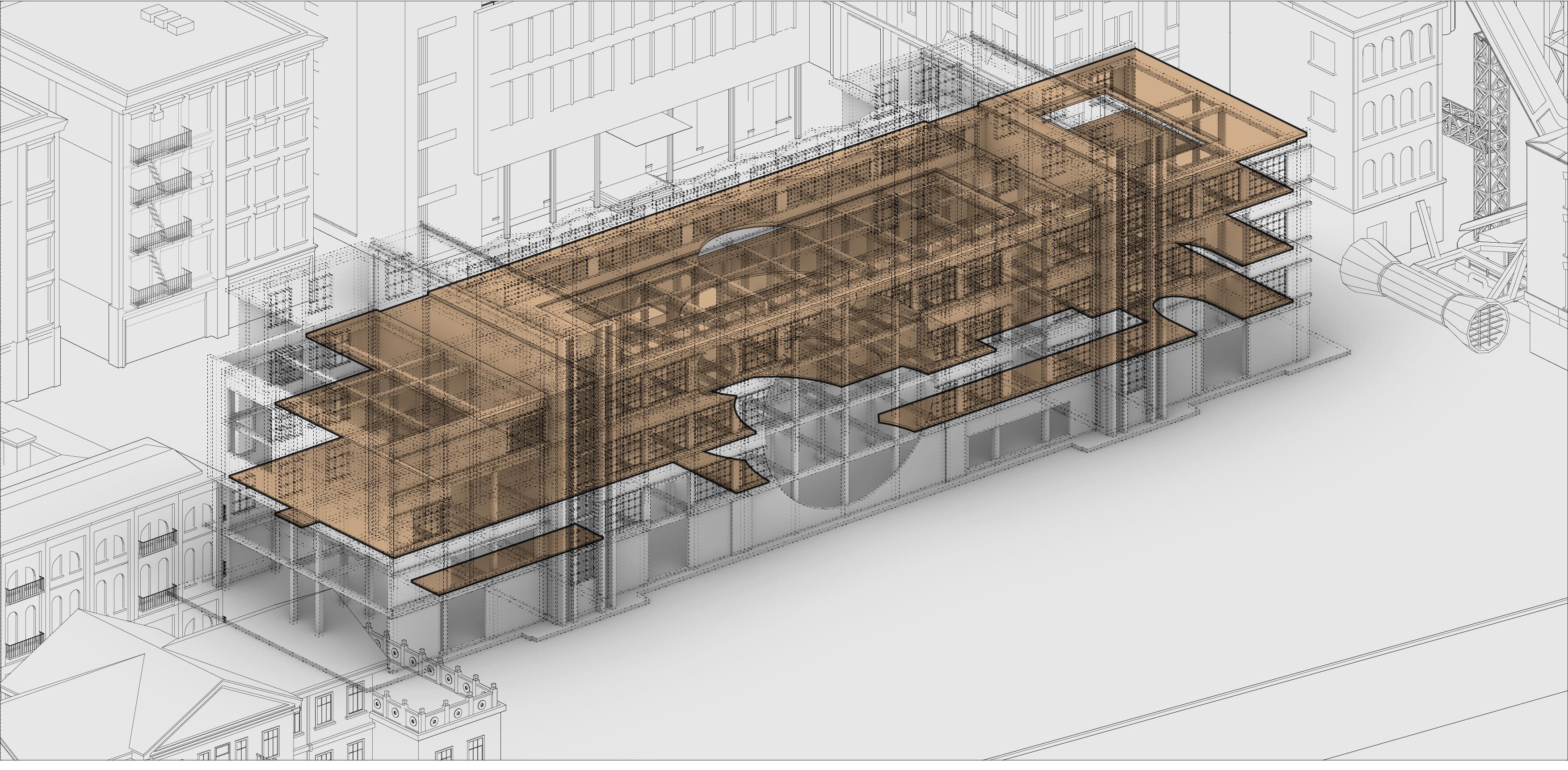
Floor Slab Reorganization
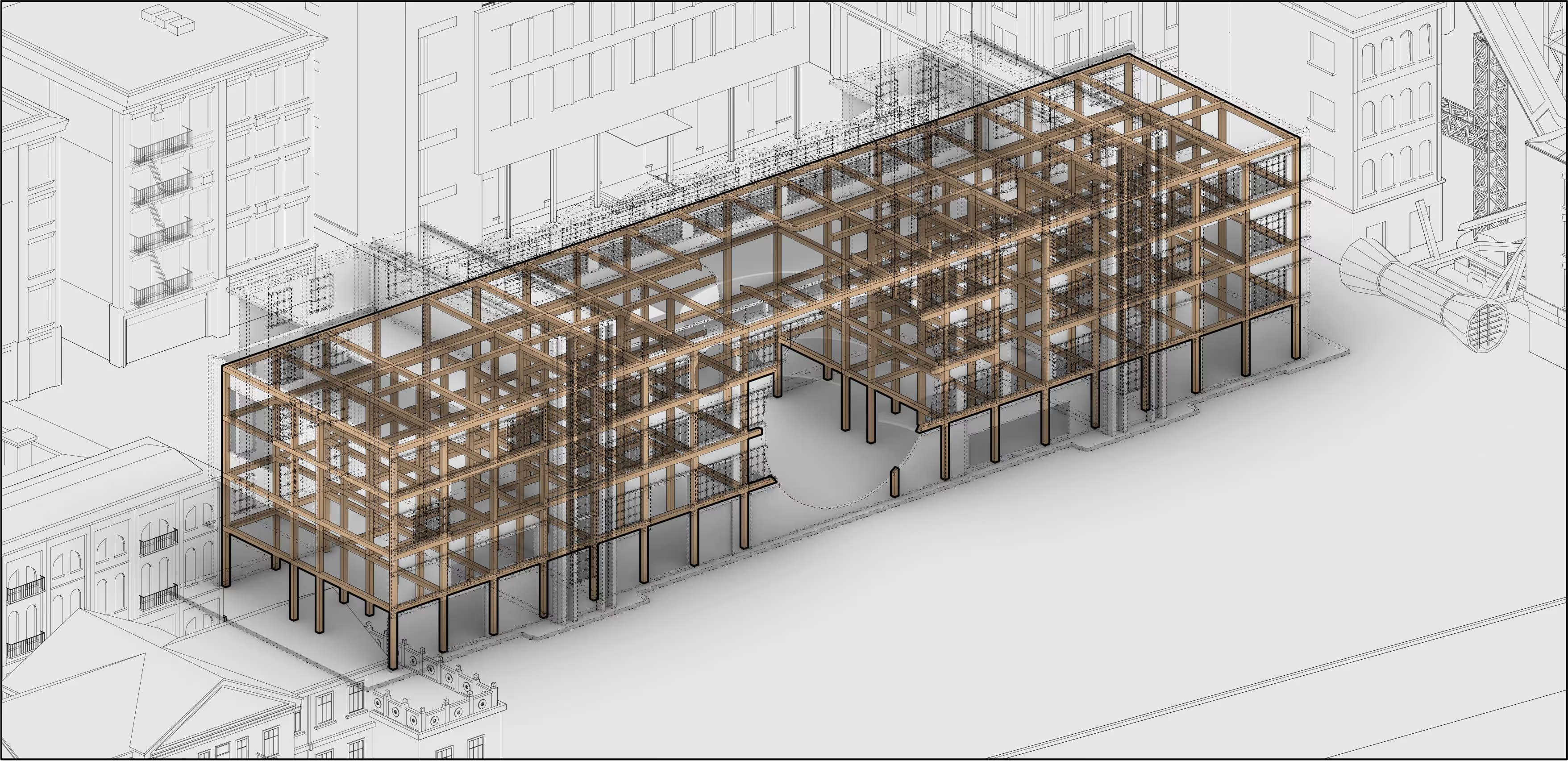
Column Grid Reconfiguration
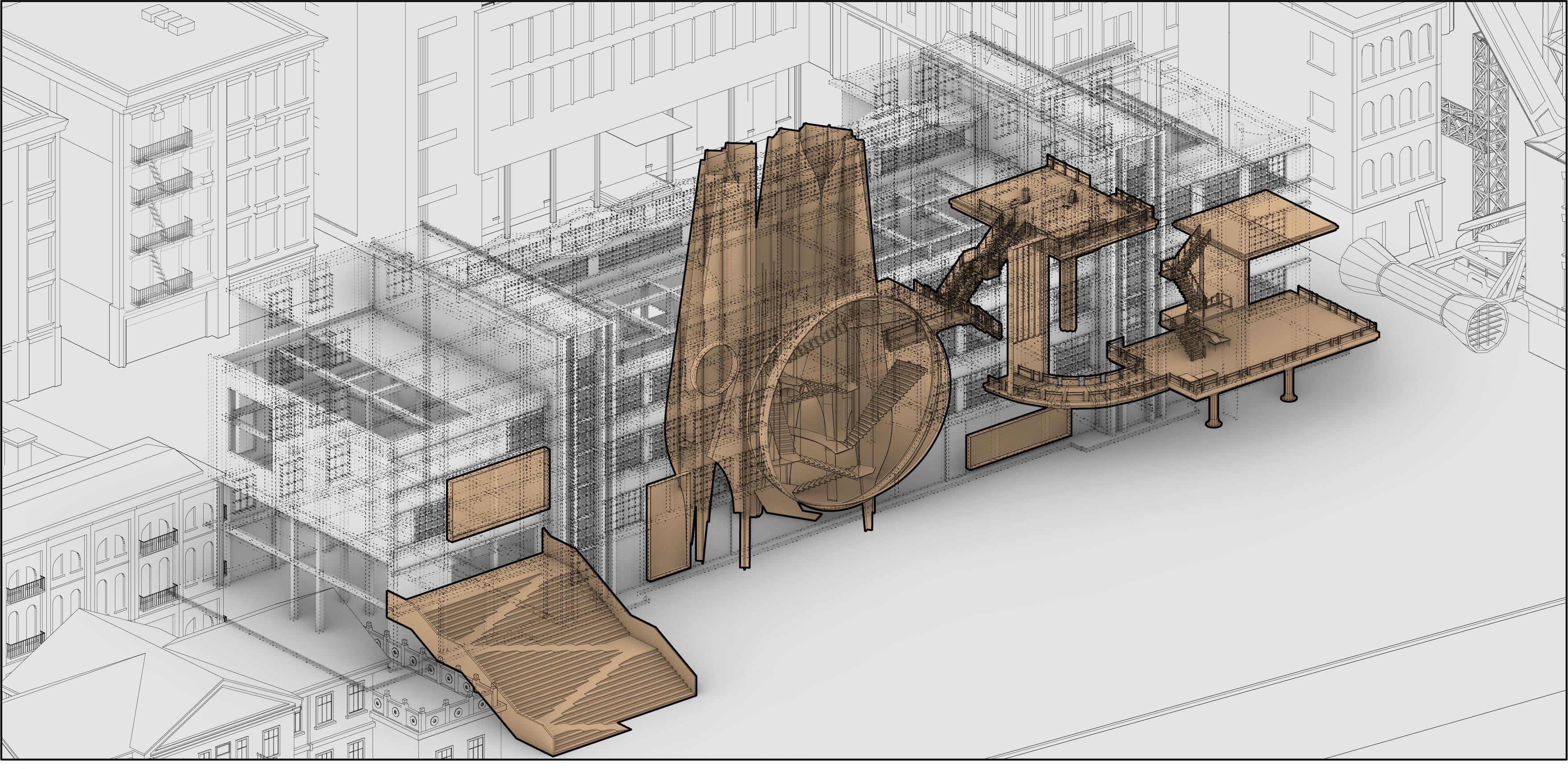
Insertion of New Structural Elements
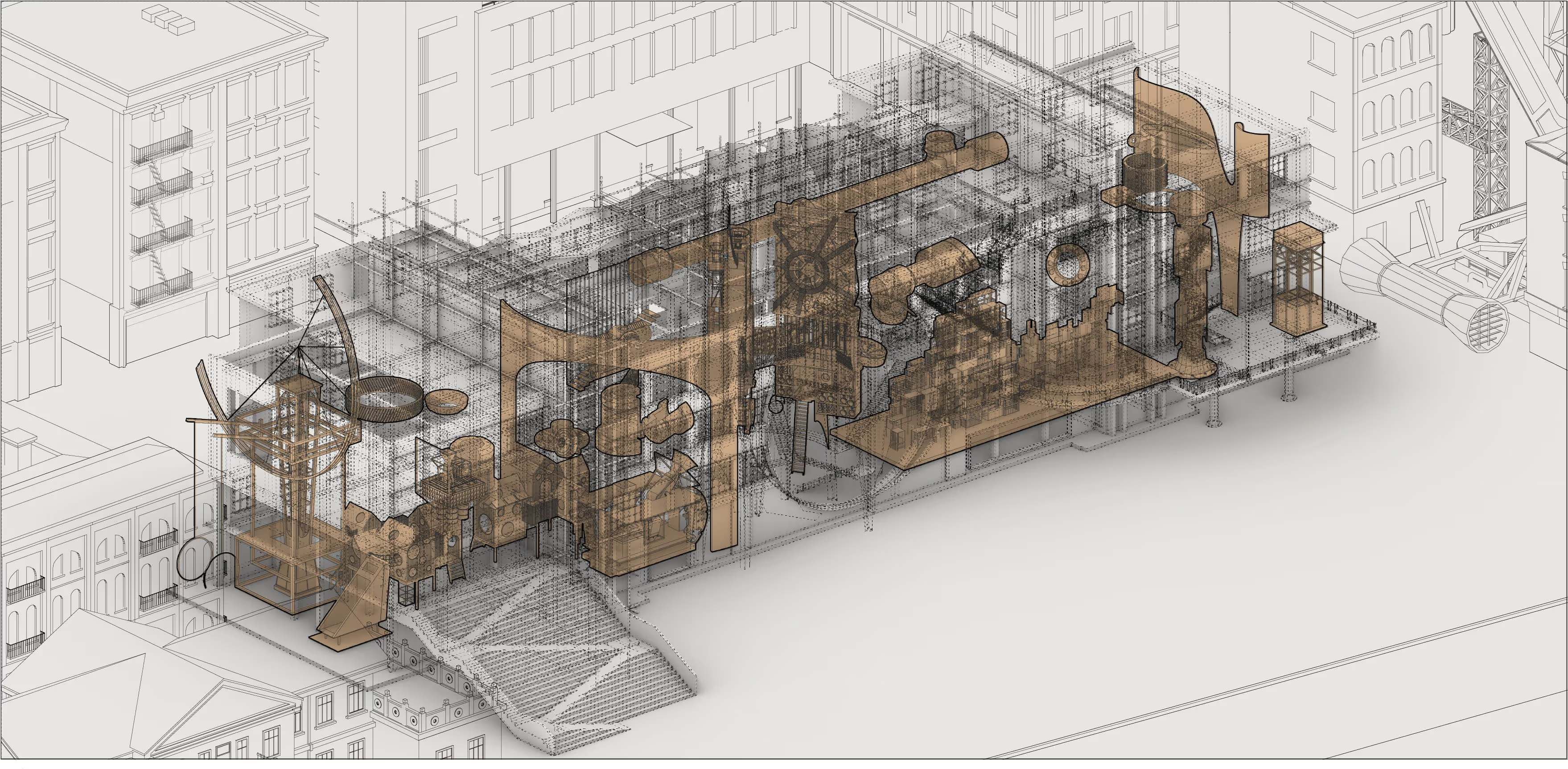
Placement of Functional Devices & Installations
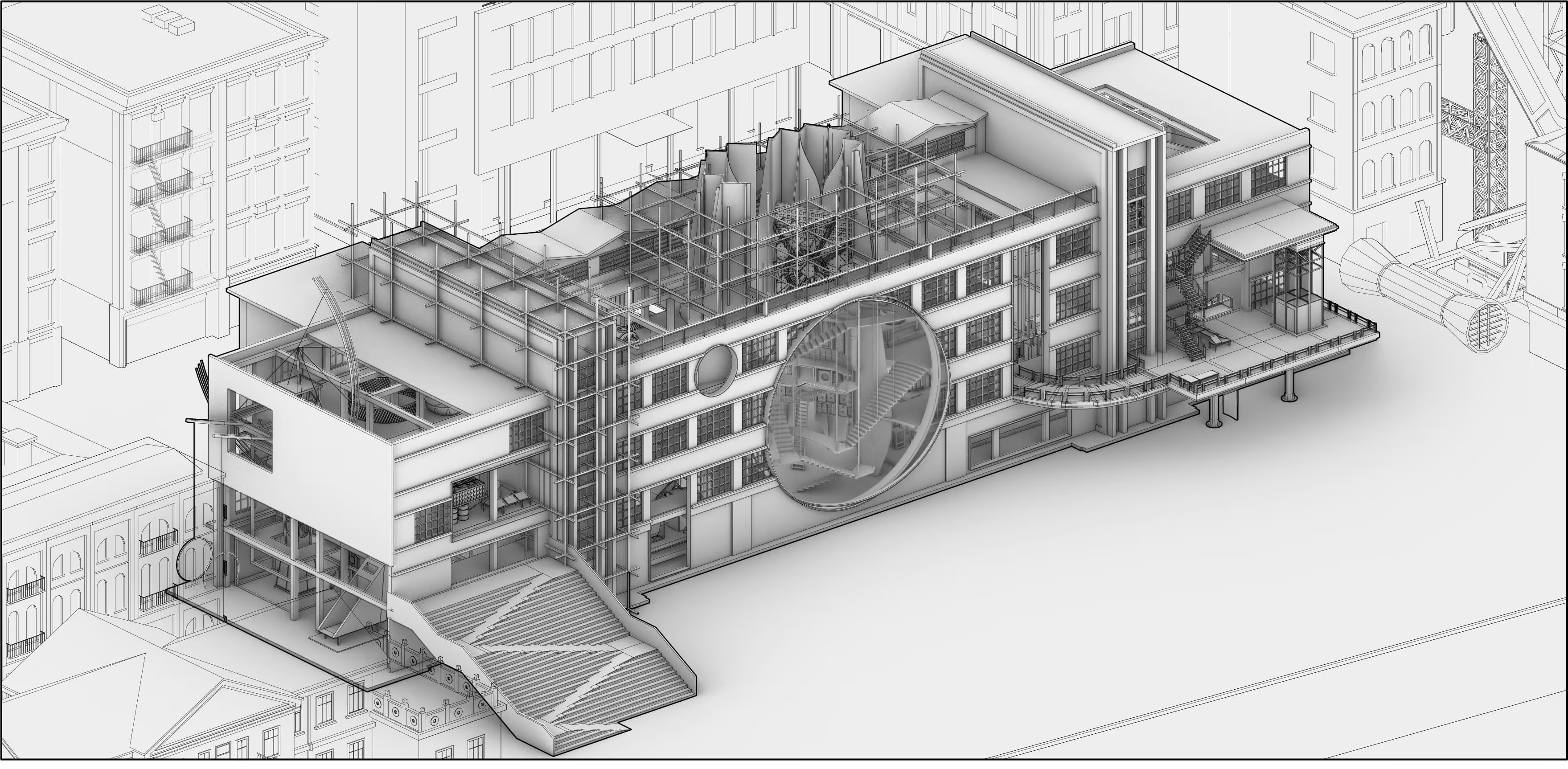
Completed Transformation
Perspective Section A-A
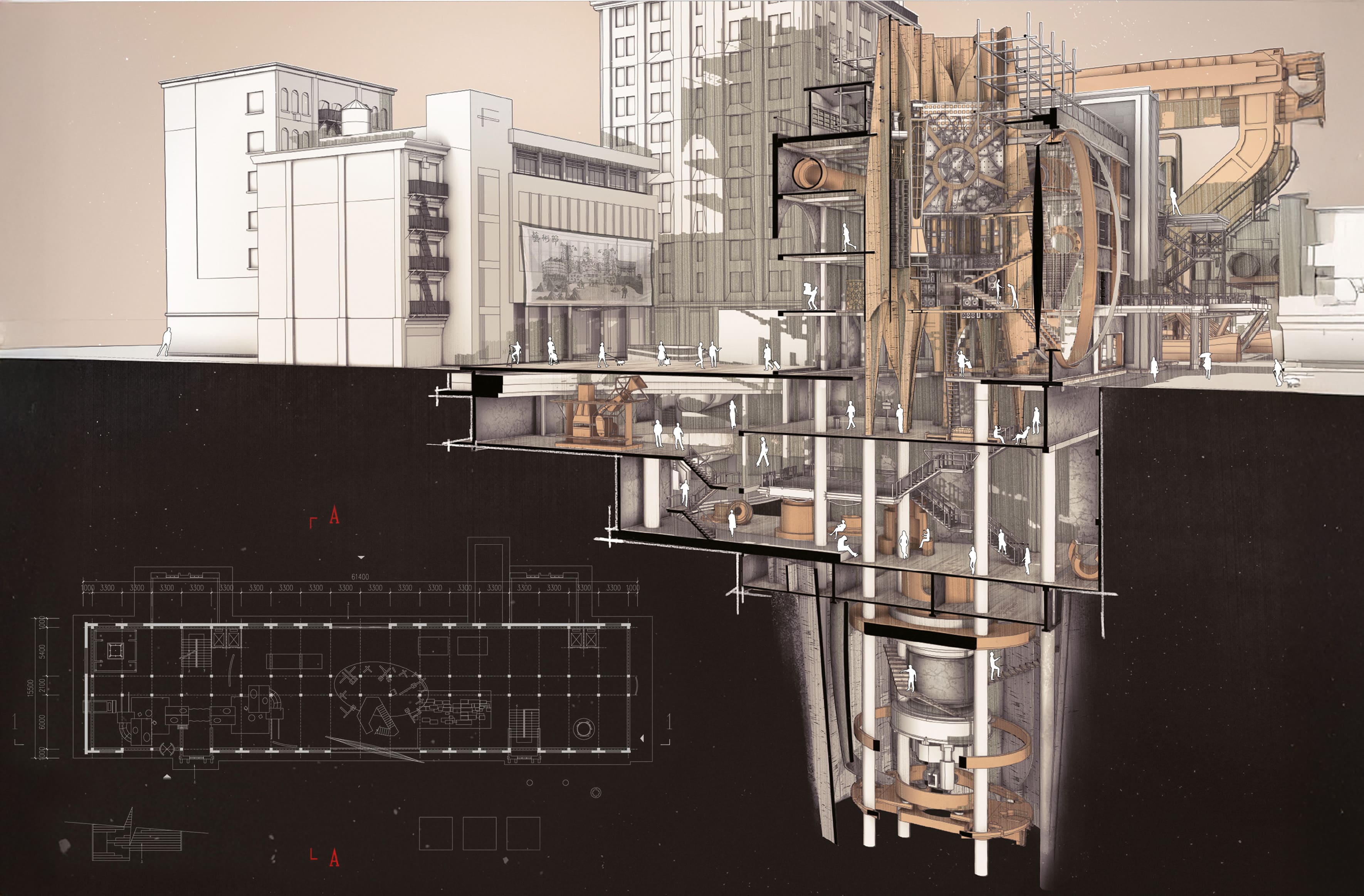
Perspective Section 1 - 1
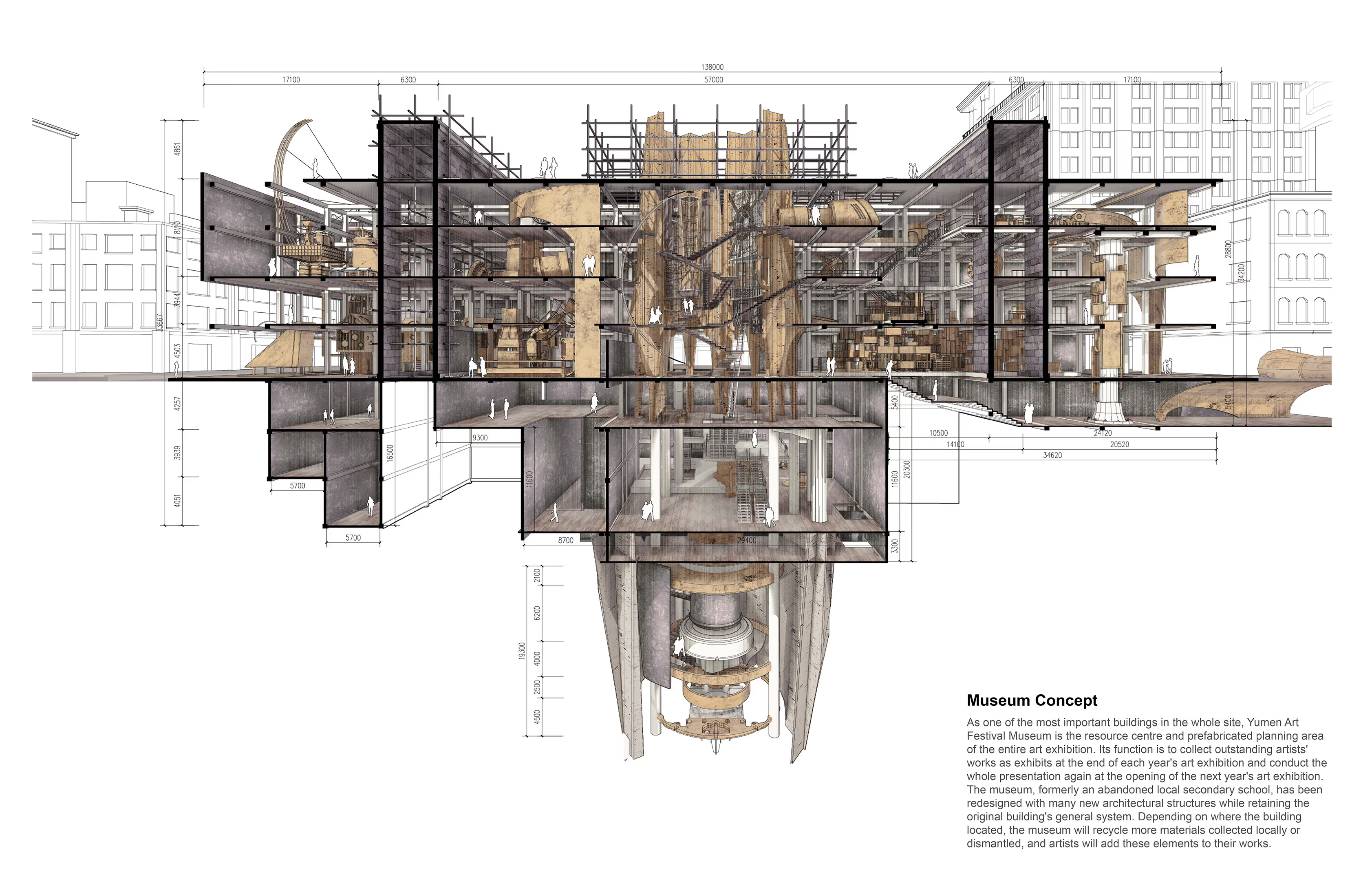
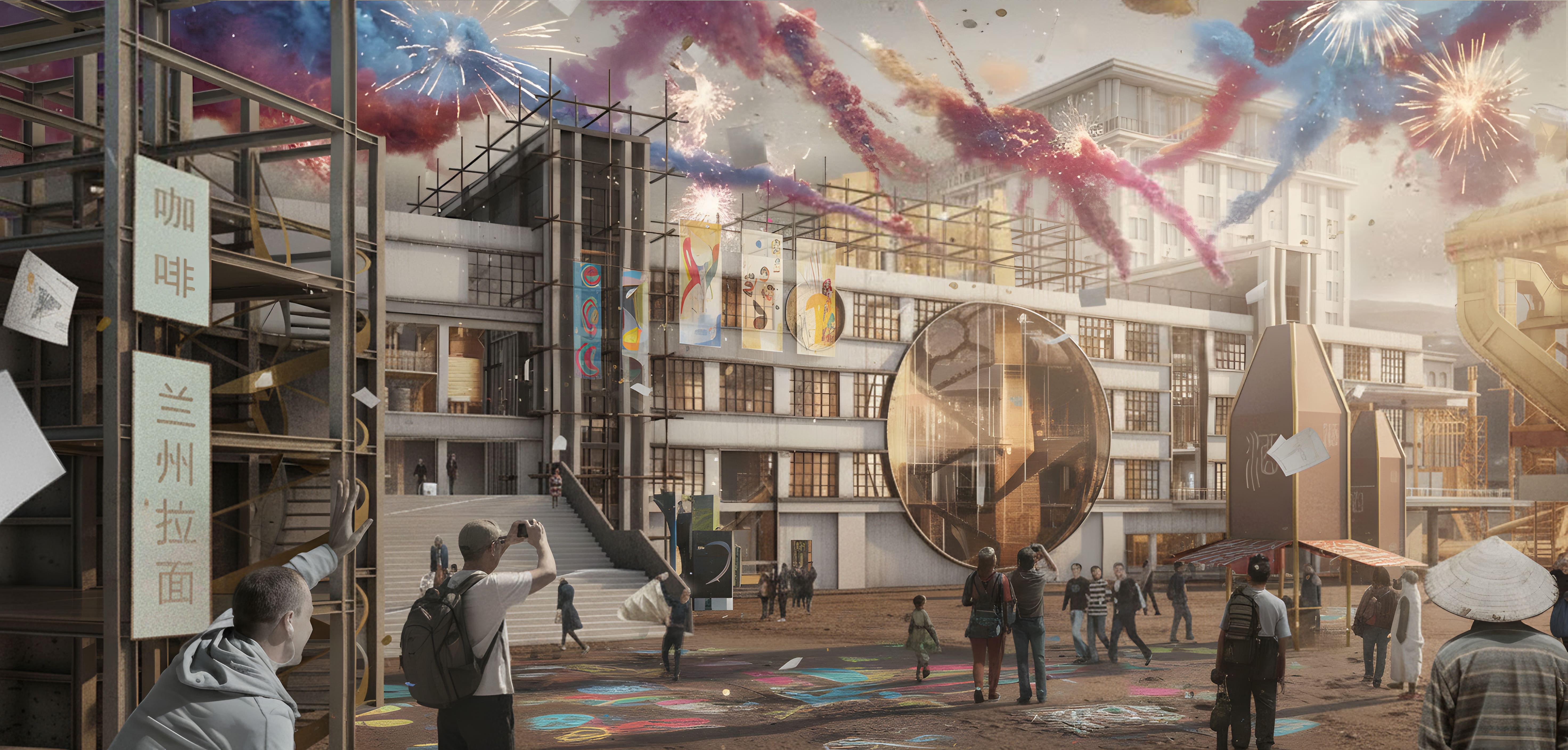
This project reimagines Yumen not through large-scale reconstruction, but through a careful activation of its existing fabric. By preserving industrial remnants, introducing a network of architectural follies, and establishing a long-term cultural framework, the design embraces the city’s layered history rather than erasing it. Through small, incremental, and community-oriented interventions, Yumen begins to regain vitality—not as a nostalgic industrial monument, but as a renewed cultural landscape shaped by its people, its memories, and its evolving identity.